University x High School x Society: Realizing a New Co-Creation Model for Learning that Connects Education with Social Problem Solving!
A cross-boundary learning program was held to study a sustainable energy society through the co-creation of universities, high schools, and society.
📋 Article Processing Timeline
- 📰 Published: March 28, 2026 at 16:48
- 🔍 Collected: March 28, 2026 at 21:59 (5h 11m after Published)
- 🤖 AI Analyzed: April 15, 2026 at 07:55 (417h 56m after Collected)
From March 3rd (Tue) to 5th (Thu), students from seven universities and two high schools across Japan gathered at Toin University of Yokohama (Yokohama, Kanagawa Prefecture) to participate in sessions focused on deepening their understanding of a "sustainable energy society," with the involvement of the City of Yokohama, Aoba Ward, and 22 leading companies. This session served as the culmination of the five-part "2025 Inter-University Cross-Boundary Learning Program" that began last December. Its most significant feature is the "vertical and horizontal co-creation," where ideas from students—who have crossed regional and school-type boundaries—are refined by professionals from companies and local governments. This realized an unprecedented scale of learning where participants transcended regions and generations to envision the future of an energy society and inspire one another.
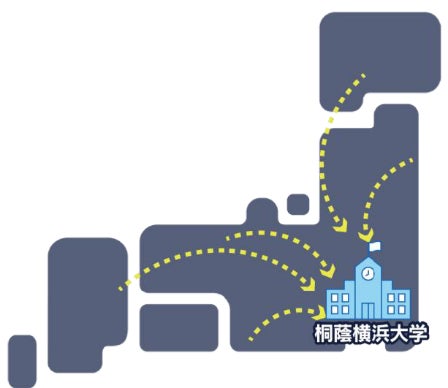
■ Participating Organizations
7 Universities + 2 High Schools + 22 Companies/Local Governments from across the country gathered at Toin University of Yokohama!
[Universities]
Toin University of Yokohama (Organizer), Nippon Bunri University, Tokyo Kasei Gakuin University, Ishinomaki Senshu University, Shimane University, Hokkaido University of Science, Fukuoka Institute of Technology
[High Schools]
Miyazaki Prefectural Iino High School, Wakayama Prefectural Shingu High School
[Companies]
ALSOK, Weins Toyota Kanagawa, Suzuki Shokan Co., Ltd., Nitori Holdings Co., Ltd., Fukuda Sangyo Co., Ltd., Mynavi Corporation, Mitsubishi Corporation Energy, Refinverse Group, Rental no Nikken, Deloitte Touche Tohmatsu LLC, and others
■ Overview of the "2025 Inter-University Cross-Boundary Learning Program"
This is a cross-boundary, inquiry-based learning program where university and high school students from different regions and fields of study form mixed teams to tackle the open-ended question of a "sustainable energy society." Across the five sessions, participants achieve high-impact, deep learning by alternating between "cross-boundary learning," where all teams participate using chat and online tools, and "inquiry learning," conducted by each team in their respective local areas. In the 2025 program, the fourth iteration, the scope was updated to a more multi-layered learning space by inviting companies and local governments to participate, creating not only "horizontal connections" across regions and specialties but also "vertical connections" across generations and positions.
■ "Vertical Connections": Co-creation between University x High School x Society
University students exploring specialized knowledge, high school students dreaming of diverse career paths, and various perspectives from the real world...
FAQ
What was the main focus or theme of the program sessions held from March 3rd to 5th?
The main focus of the sessions was deepening the students' understanding of a sustainable energy society.
Where did the students gather to participate in the culmination sessions of the program?
They gathered at Toin University of Yokohama, which is located in Yokohama, Kanagawa Prefecture.
How many universities and high schools from across Japan had students participate in the event?
Students from seven different universities and two high schools across Japan participated in the event.
What is the most significant feature of the cross-boundary learning program described in the article?
Its most significant feature is the vertical and horizontal co-creation, where students' ideas are refined by professionals.
When did the five-part 2025 Inter-University Cross-Boundary Learning Program originally begin?
The five-part learning program originally began in December of the previous year, which was last December.