Are you being forced to accept a "misjudgment" in DNA testing without recourse?
To resolve anxiety about misjudgments in DNA testing, seeDNA Genetic Medical Research Institute launched the "Second Opinion Campaign" on April 3, 2026. It introduces past misjudgment cases and appeals for the importance of reliable re-testing.
📋 Article Processing Timeline
- 📰 Published: April 3, 2026 at 20:23
- 🔍 Collected: April 3, 2026 at 12:31
- 🤖 AI Analyzed: April 6, 2026 at 12:52 (72h 21m after Collected)
- Real-life trouble cases domestically and internationally, and how to deal with results you're not satisfied with -
DNA testing is a "test that affects your life."
DNA testing is an extremely powerful tool that can scientifically confirm parentage and blood relations. However, the results directly influence major life decisions such as recognition, child support, inheritance, and divorce. What if those results were incorrect... Doesn't the thought alone fill you with dread?
In reality, even DNA tests described as "highly accurate" have led to misjudgment-related troubles both domestically and internationally. In this article, we will introduce specific examples, explain how to deal with unsatisfactory results, and discuss the option of "second opinion" to prevent misjudgments.
DNA Test Misjudgment Troubles that Actually Occurred Domestically and Internationally
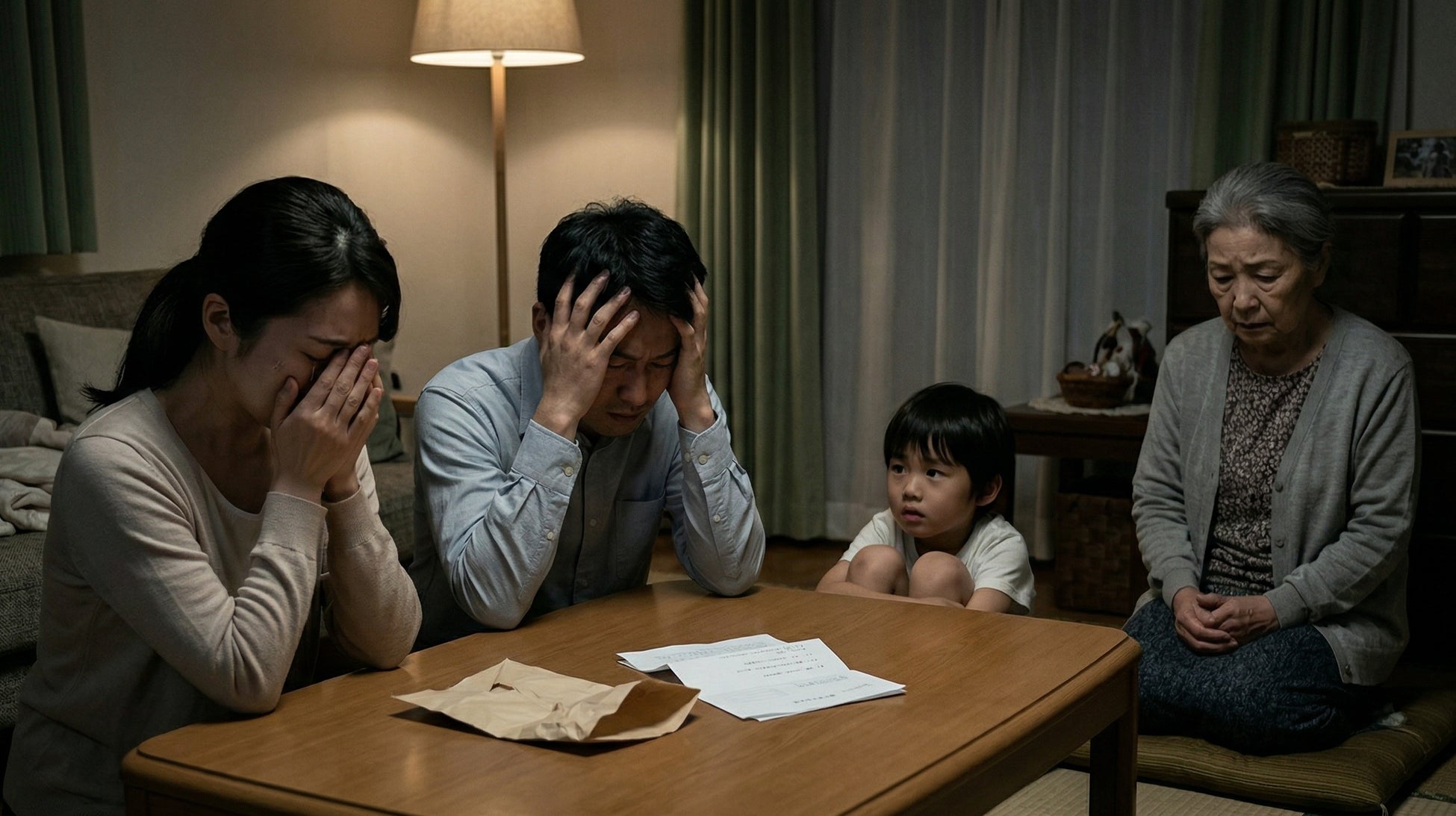
■ [Domestic] Ashikaga Incident: An unjust conviction case where an innocent man was imprisoned for 18 years
In the Ashikaga Incident that occurred in 1990, Toshikazu Kanka was sentenced to life imprisonment despite being innocent, due to the low-precision DNA typing test (MCT118 type test) at the time. In 2009, a re-examination revealed the original鑑定 was erroneous, leading to a retrial and acquittal in 2010. This case, where 18 years were lost after wrongful arrest, is a symbolic example showing how DNA test accuracy can dictate a person's life.
Sources: Nikkei Shimbun / Gendai Business (Kodansha)
■ [Domestic] Saga Prefectural Police Forensic Science Laboratory's鑑定 Irregularity Case (2025)
In September 2025, it was revealed that a technical staff member in their 40s at the Saga Prefectural Police Forensic Science Laboratory had committed a total of 130 fraudulent acts over more than 7 years, such as pretending to have performed DNA typing tests that were never actually conducted. Among these, 16鑑定 results were submitted as evidence in cases of attempted fraud and indecent assault. The Japan Federation of Bar Associations strongly condemned this incident as "shaking the foundation of trust in scientific鑑定."
Sources: Nikkei Shimbun (September 8, 2025) / Tokyo Shimbun / Statement from the Japan Federation of Bar Associations
■ [Domestic] Misjudgment in Paternity Test by a Private DNA Testing Agency
According to a report by Bunshun Online, one private DNA testing agency (Company A) produced a "paternity probability: 99.9%" result, while another agency (Company B) gave the opposite result of "0%." A re-re-examination revealed that Company A's result was incorrect. In Japan, there is no national certification system for DNA testing, and each company conducts tests based on its own standards, leading to problems with accuracy variations.
Source: Bunshun Online (March 18, 2023)
■ [Overseas] USA: Approximately $2.5 Million (Approx. 350 Million JPY) in Damages Awarded (2023)
Joel Santiago, a man from Connecticut, USA, was told he was "0% likely to be the father" by a test from the major鑑定 agency DNA Diagnostics Center, leading him to break up with his partner. However, about a year and a half later, he received contact from the company stating "we will correct the result," and it was revealed that he was indeed the father. Having lost important moments in his daughter's birth and growth during that time, the court ordered the鑑定 agency to pay $2.5 million (approx. 350 million JPY) in damages.
Sources: Patch (US News, July 2023) / NBC New York (March 2025)
■ [Overseas] USA: A Case Where Incorrect鑑定 Results Separated a Father and Daughter for Over 30 Years
Carrie Michaels, a woman from Illinois, was told she was "not the father" by a DNA test in 1989, separating her from her biological father. In 2021, when she took an Ancestry.com DNA test for genealogical purposes, a familial relationship with her father's relatives was confirmed, and a re-examination revealed a 99.9999997% probability of parentage. This case, where the father-daughter bond was broken for over 30 years, has led to litigation.
Sources: Madison-St. Clair Record / Gianaris Trial Lawyers (2023)
■ [Overseas] USA: A Case of Abortion Due to Incorrect鑑定 Results (Reported in 2025)
According to NBC New York, a woman residing in New York received a prenatal paternity test result from the same company, DNA Diagnostics Center, stating that her child was "not the child of her fiancé." To protect her relationship with her fiancé, she chose to have an abortion. However, four months later, she was contacted by the company stating "we will correct the result," and it was revealed that the child was indeed her fiancé's. The woman is suing the company.
Source: NBC New York (March 21, 2025)
How to Deal with Unsatisfactory Results
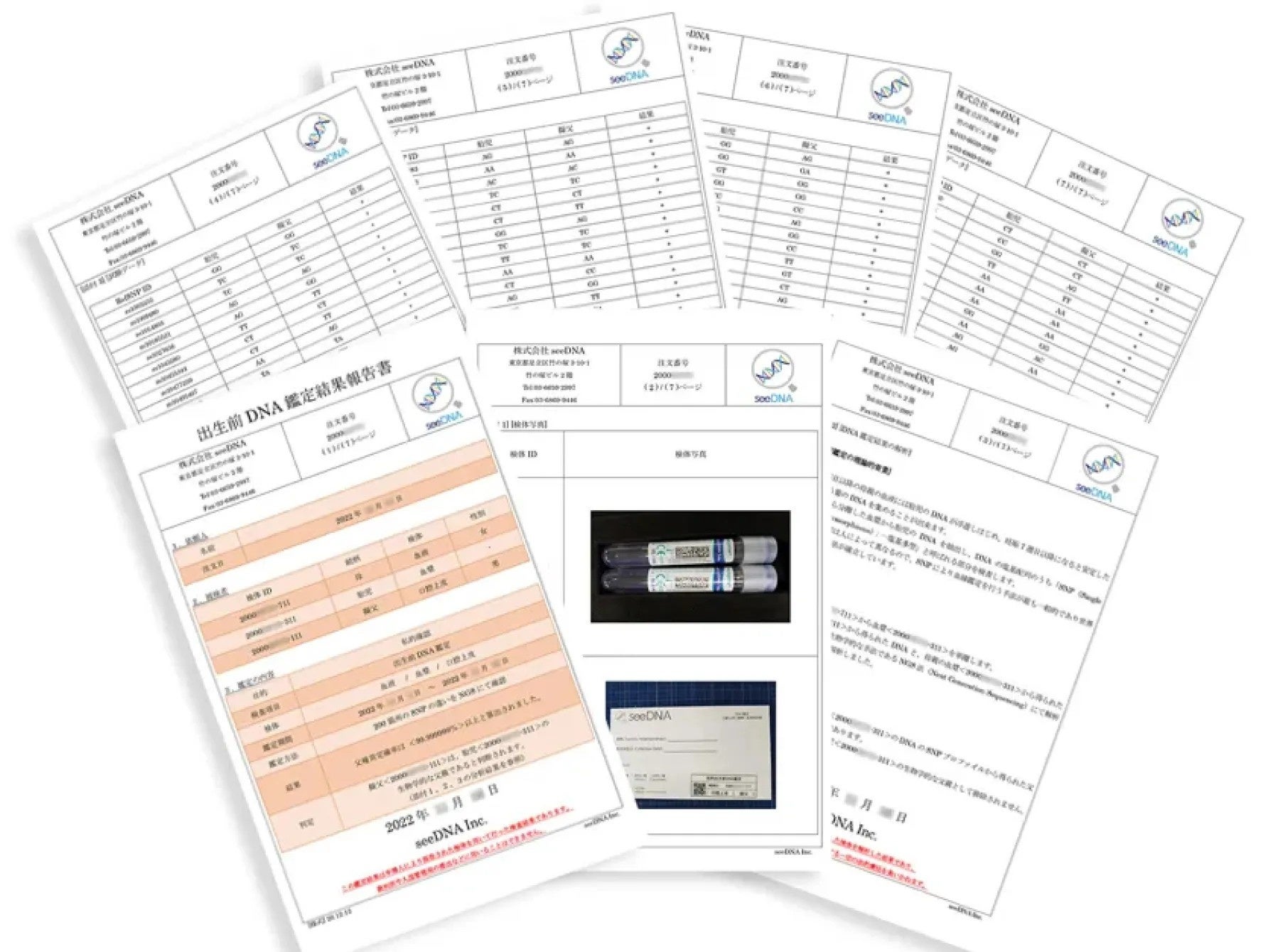
What should you do when you question the results of a DNA test? Please refer to the following steps.
-
Step 1: Check the contents of the test report
First, check if the test report states the "paternity probability." The international standard requires 99.99% or higher, but reports lacking this figure may not meet international standards.
-
Step 2: Review the sample collection and storage conditions
Improper sample collection methods, packaging during mailing, or mislabeling can lead to sample mix-ups or contamination, causing erroneous results. These risks are particularly high with mail-in simple test kits.
-
Step 3: Verify the testing institution's quality management system
Check if the institution you consulted has obtained international quality standards like ISO and if they have a double-check system. In Japan, there is no national certification system for DNA testing, and accuracy varies significantly among institutions.
-
Step 4: Get a "second opinion" from another institution
If doubts remain about the results, the most effective measure is to undergo re-testing (second opinion) at another reliable testing institution. Second opinions are common in the medical field, and we recommend utilizing re-testing by another specialized institution for DNA testing as well.
The "Second Opinion" Option to Prevent Misjudgment Troubles
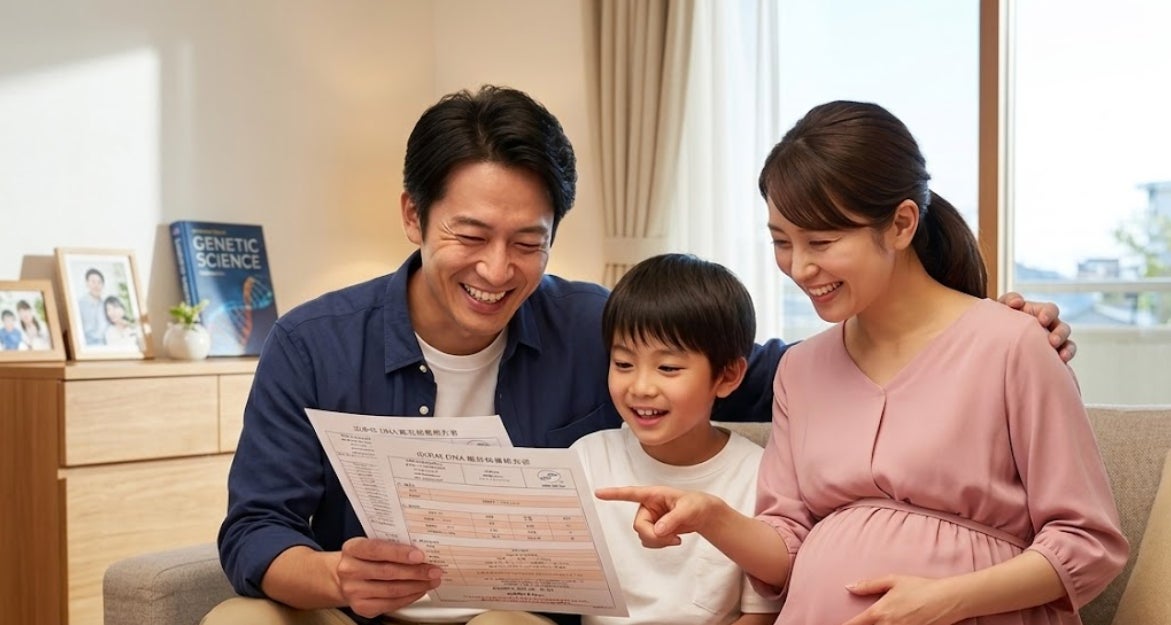
The main causes of misjudgments are human errors such as lack of double-checking and sample mix-ups, as well as insufficient testing accuracy. Undergoing re-testing at another institution as a second opinion offers the following benefits:
- Objective verification of result accuracy through independent re-testing by another institution.
- Reduced risk of repeating the same human errors due to different sample collection/analysis processes.
- Assurance if results match, or a basis for determining the correct result if they differ.
- Stronger supporting evidence for legal proceedings (recognition, child support, inheritance, etc.).
Especially in Japan, where there is no national certification system for DNA testing, quality varies by institution. Therefore, the step of "re-checking with another specialized institution" before making important decisions is crucial.
Don't accept it silently, confirm with a second opinion.
DNA test results can affect familial bonds, family structures, and life itself. If you feel "the results are strange" or "I can't accept them," don't let that doubt linger.
Due to complex circumstances, many people suffer in silence without telling anyone. However, as the examples above show, DNA test results can indeed be overturned. The important thing is to get a second opinion from a trusted specialized institution and confirm the correct results.

seeDNA's Second Opinion Discount Campaign is Underway
For those who are concerned about their DNA test results from other companies, seeDNA Genetic Medical Research Institute has launched a special price offer for DNA testing as a second opinion starting April 3, 2026. By submitting a report or test data from another company, you can receive a 10% discount on the鑑定 fee.
Details here: https://seedna.co.jp/information/blog-company/post-28994/
seeDNA Genetic Medical Research Institute
A specialized institution for genetic testing and DNA analysis. With an integrated in-house lab system, it handles a wide range of needs from health risks, physique, talents, ancestral roots, prenatal DNA testing to legal DNA testing.
<Location>
〒121-0813
3-10-1 Takenotsuka, Adachi-ku, Tokyo, Takenotsuka Building 2F
<Inquiries regarding this matter>
seeDNA Inc. Public Relations Manager Shimizu
TEL: 03-6659-2297
E-mail: support@seedna.co.jp
Keywords: DNA鑑定,親子DNA鑑定,祖父母DNA鑑定,出生前DNA鑑定,血縁鑑定,兄弟DNA鑑定,遺伝子検査,法科学検査,DNA,DNA検査FAQ
Do misjudgments in DNA testing actually occur?
Yes, past cases have reported wrongful convictions like the Ashikaga incident and errors in private paternity tests. Even highly accurate tests can lead to misjudgments due to human error or technical limitations.
What should I do if I am not satisfied with the DNA test results?
First, check the report's content (especially the paternity probability), and review the sample collection/storage and the lab's quality control. If doubts remain, seeking a second opinion from another reliable institution is recommended.
What is seeDNA's Second Opinion Campaign?
It's a campaign by seeDNA Genetic Medical Research Institute offering re-testing at a special price for those concerned about their DNA test results from other companies. Submitting a report or test data from another company grants a 10% discount on the test fee.