別讓紛爭惡化!
上法院前,您該知道的協商力量。
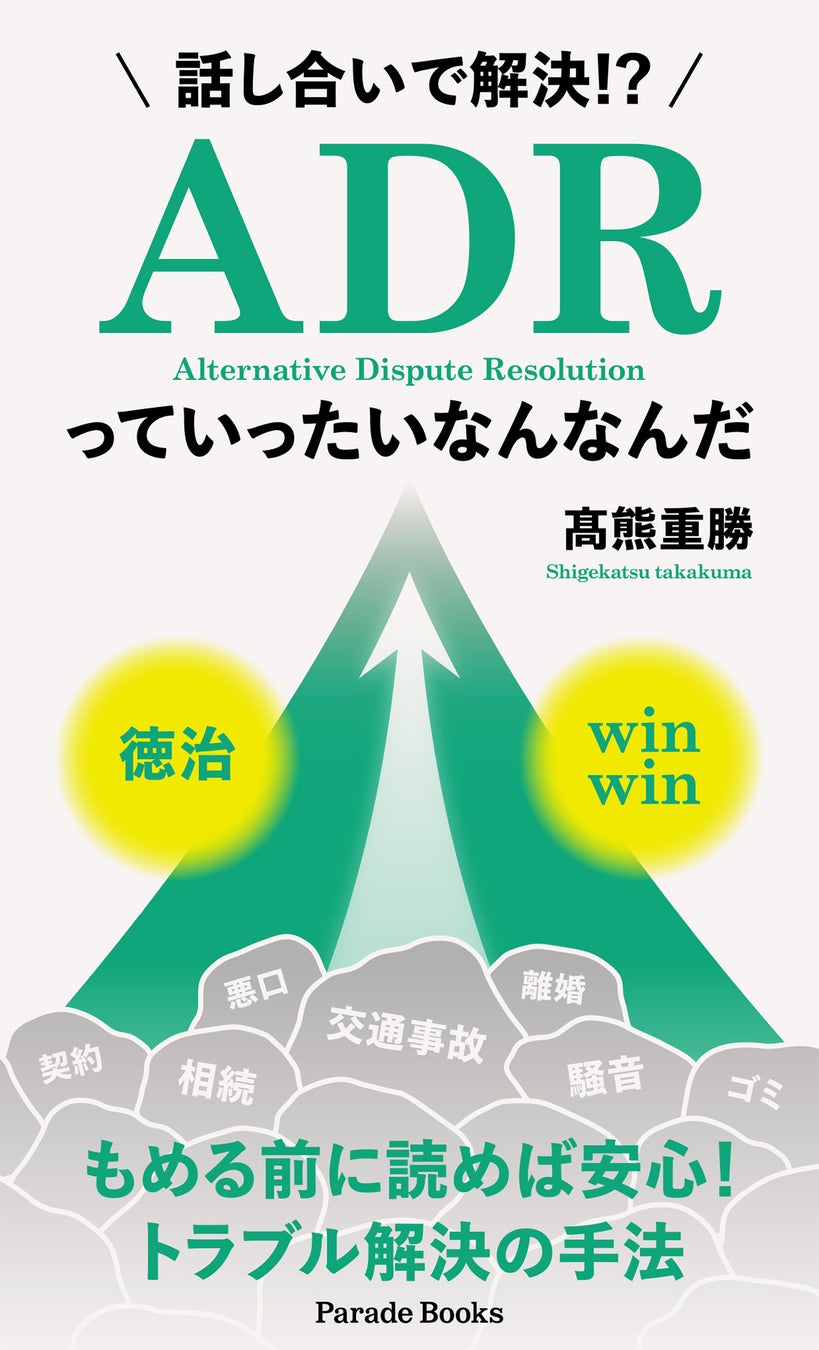
《協商解決!? ADR到底是什麼》(作者:高熊重勝*)*「高」字為「はしごだか」的誤植。
關於本書
在日本,當發生紛爭或糾紛時,「訴訟」理所當然地被視為解決手段。
但這真的是唯一的選擇嗎?
本書聚焦於在日本國內較少為人知的制度——「裁判外紛爭解決程序(ADR)」,並闡述其意義與可能性。
ADR(Alternative Dispute Resolution)是一種被定位為訴訟的替代方案,或是與訴訟並行的紛爭解決方法。它重視透過協商,讓當事雙方達成彼此都能接受的解決方案,目標是雙贏的「win-win解決」,而非分出勝負。
特別值得關注的是,ADR是一種重視「心靈上的認同」的解決方法。
法律上的解決方式偏重於物質和形式層面,而ADR則貼近當事人的情感和背景。這在處理家庭糾紛、職場對立、合約爭議等貼近日常生活的問題時,能發揮更大的力量。
何謂正義?
何種情況才稱得上是「解決」?
本書不僅介紹ADR作為一種制度,更強烈地提出問題,希望讓每一位國民都能知道「除了訴訟之外,還有其他選擇」。
目錄
第一章 什麼是紛爭
第二章 實存主義
第三章 公共調解與訴訟
第四章 事前與事後存在的概念
第五章 什麼是ADR
第六章 我國獨特的ADR法
第七章 國外ADR的實況
第八章 司法ADR、行政ADR與民間ADR
第九章 ADR的「程序專業性」技法
第十章 我國社會情勢的變化、司法界的變遷與ADR
第十一章 觀看NHK晨間劇的現今想法
作者簡介
高熊重勝*
1939年生於兵庫縣尼崎市。
大學畢業後,進入知名家電製造商的特販部門任職,期間常與關西地區的各大百貨公司(當時百貨公司被視為日本經濟狀況的指標)及大型企業高層接觸,從中獲得許多啟發。
退休後,加入他認為是與一般民眾最接近的民事相關專業領域——行政書士會。在會內以ADR為中心進行活動。
曾任近畿地區相關士業ADR負責人會議議長(涵蓋2府4縣)六年、公益社團法人綜合紛爭解決中心營運委員會委員、年金記錄確認第三者委員會委員(近畿地區六縣及福井縣)、仲裁ADR法學會會員等職務。
* 「高」字為「はしごだか」的誤植。
書籍資訊
《協商解決!? ADR到底是什麼》
作者:高熊重勝 *「高」字為...
常見問題
What is ADR?
ADR stands for Alternative Dispute Resolution. It is a method of resolving disputes outside of traditional court litigation, often through negotiation, mediation, or arbitration, aiming for a mutually satisfactory outcome.
What is the main goal of ADR?
The main goal of ADR is to achieve a 'win-win' resolution where all parties involved are satisfied, focusing on mutual agreement and emotional satisfaction rather than a legalistic 'winner-take-all' outcome.
Why is ADR important?
ADR is important because it offers an alternative to costly and time-consuming litigation. It can be more effective for disputes involving personal relationships or complex emotional factors, as it prioritizes understanding and agreement between parties.
Who is the author of the book?
The author is Shigekatsu Takakuma, who has extensive experience in dispute resolution, particularly through ADR, and has held various leadership positions in related organizations.
What kind of disputes can ADR help resolve?
ADR can be applied to a wide range of disputes, including family matters, workplace conflicts, contractual disagreements, and other civil issues where a less adversarial approach is desired.