The Philadelphia Semiconductor Index dropped 1.6% on Friday (17th), falling more than 20% from recent highs and officially entering a bear market. The index declined 18.2% in July alone. It tracks 30 semiconductor manufacturers and related suppliers, which had surged nearly 100% during the first half of the year.
To identify the worst-performing large-cap U.S. tech stocks in July, MarketWatch analyzed the S&P 500 Index, the iShares Semiconductor ETF (SOXX) tracking the 30 components of the Philadelphia Semiconductor Index, and the Invesco QQQ Trust (QQQ) holding Nasdaq 100 Index (NDX) constituents. After removing duplicates, 523 stocks were analyzed.
According to LSEG data, as of Friday's close, 19 stocks had declined more than 25% in July. The list is as follows:
- Sandisk (SNDK): -40.4% (YTD +471%, estimated P/E 6.4, 2025E P/E 13.6) - Corning (GLW): -39.5% (+77%, 40.0, 28.2) - Astera Labs (ALAB): -37.1% (+83%, 79.5, 70.5) - Marvell Technology (MRVL-US): -36.7% (+122%, 36.7, 24.0) - Nebius Group (NBIS-US): -35.7% (+112%, N/A, N/A) - Rocket Lab (RKLB-US): -33.5% (-3%, N/A, N/A) - Teradyne (TER-US): -33.4% (+67%, 36.8, 36.7) - Intel (INTC-US): -31.9% (+158%, 66.5, 61.2) - Macom Technology Solutions (MTSI-US): -29.7% (+56%, 40.2, 38.4) - Coherent (COHR-US): -29.6% (+50%, 31.2, 31.7) - KLA Corporation (KLAC): -29.5% (+75%, 40.2, 31.0) - Lam Research (LRCX-US): -27.7% (+83%, 38.0, 32.1) - Applied Materials (AMAT-US): -26.7% (+106%, 33.4, 26.0) - Generac (GNRC-US): -26.6% (+58%, 20.6, 16.4) - Micron (MU-US): -26.5% (+197%, 5.7, 7.9) - CoreWeave (CRWV): -26.5% (+2%, N/A, N/A) - Flex (FLEX-US): -26.4% (+97%, 22.2, 17.4) - Credo Technology (CRDO-US): -25.5% (+41%, 29.5, 42.6) - Western Digital (WDC-US): -25.3% (+177%, 22.6, 19.6)
LSEG data shows SOXX's current weighted estimated P/E ratio is 22.8x, compared to 20.3x for the S&P 500 ETF (SPY) and 22.8x for QQQ.
Notably, despite the July selloff, seven of these 19 stocks have still gained over 100% year-to-date.
Sandisk led with a 471% year-to-date surge, yet its estimated P/E ratio dropped from 13.6x at year-end to 6.4x—not due to falling prices, but because analysts sharply raised their 12-month EPS forecasts faster than the stock price rose.
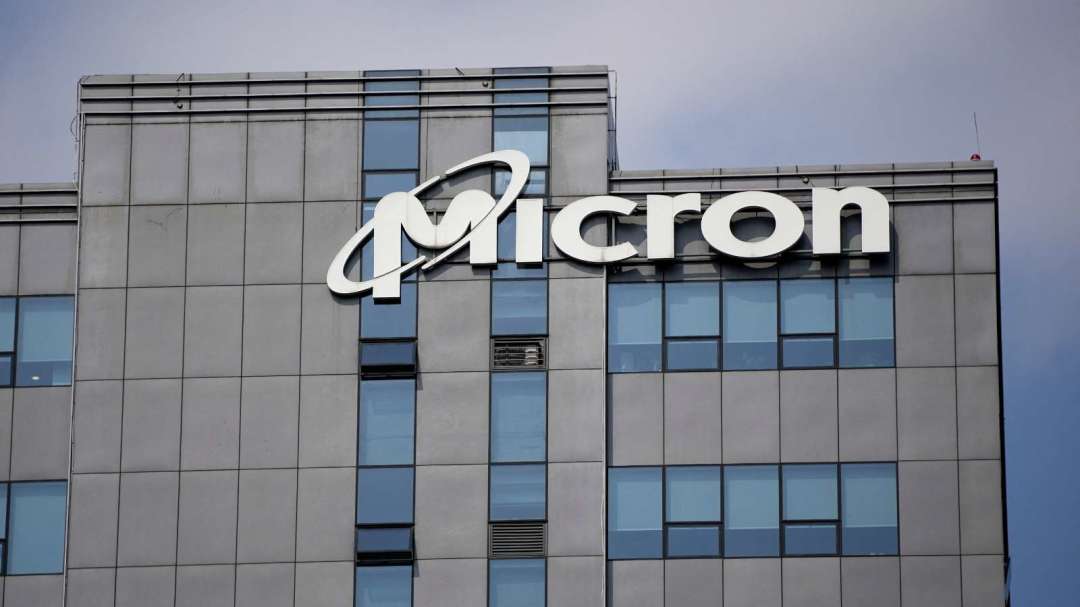
Micron showed a similar pattern. Despite a 26.5% July drop, it is up 197% year-to-date, and its estimated P/E fell from 7.9x to 5.7x.
However, the low P/E ratios of Sandisk and Micron reflect not only strong demand for memory chips and computer memory products but also investor caution about the cyclical nature of the memory industry.
For example, Micron's revenue fell 49% in the fiscal year ending August 31, 2023, highlighting the industry's volatile business cycles.
FACT BOX
- Source: PR Times
- Category: News
- Organizations: Sandisk
- Products / services: ETF(SOXX、QQQ)