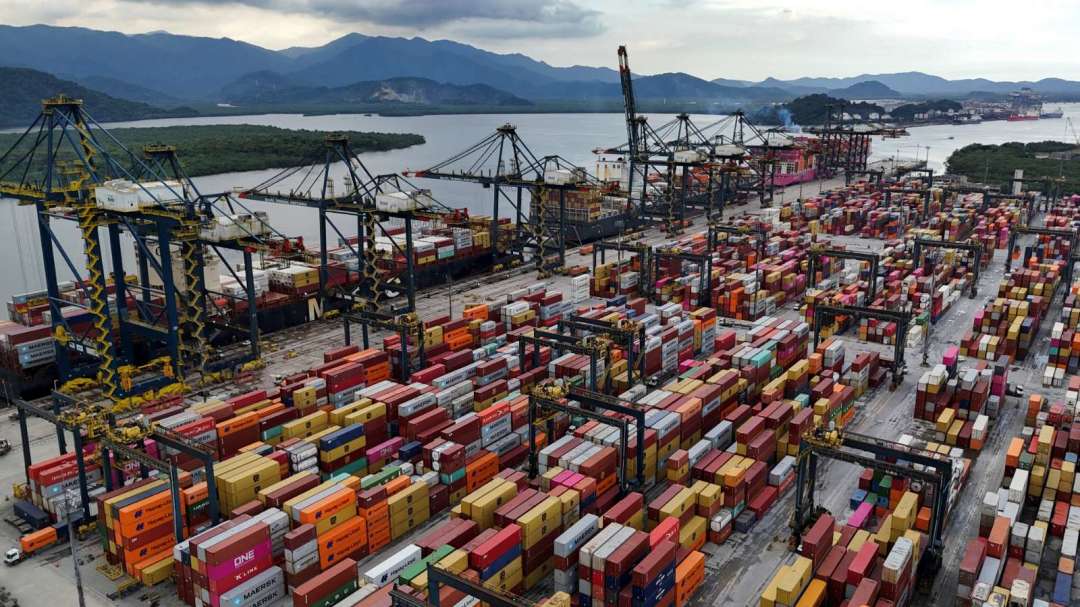
The US government announced it will impose a 25% tariff on certain Brazilian goods starting July 22, reigniting US-Brazil trade tensions and potentially altering the political landscape ahead of Brazil's October presidential election. Market analysts believe this sanction, originally targeting Brazil's trade policies, could unexpectedly become a key political asset for Brazilian President Luiz Inacio Lula da Silva to consolidate public support and secure re-election.
The Office of the United States Trade Representative (USTR) stated that after a year-long investigation under Section 301 of the 1974 Trade Act, it found several Brazilian policies to be "unreasonable and discriminatory," undermining the competitiveness of American farmers, workers, and businesses. As a result, new tariffs will be imposed. US Trade Representative Jamieson Greer emphasized that the move aims to ensure American companies compete on a level playing field, but added that Washington remains open to continued negotiations with Brazil.
However, the US exempted key Brazilian exports such as coffee and beef, applying the new 25% tariff only to ethanol. This limits the direct economic impact on Brazil, shifting the real contest to political maneuvering between the two nations.
President Lula is framing the tariff as a "sovereignty defense battle." He has previously succeeded in portraying US pressure as an infringement on Brazil's sovereignty, boosting his approval ratings. Following the tariff announcement, Lula's campaign is preparing to revive the strategy used in June when the initial tariff news emerged, urging grassroots supporters to use social media to link the tariff issue to right-wing Senator Flavio Bolsonaro, painting him as someone who "sold out national interests."
Flavio Bolsonaro, son of former President Jair Bolsonaro, is a key figure in Lula's main opposition camp for the 2024 election. Earlier this month, he traveled to the US to lobby against the tariff imposition, arguing it would only help Lula win re-election, but ultimately failed to sway US decision-makers.
Insiders reveal that Lula's team plans to launch the slogan "TariFlávio," combining "tariff" and "Flávio," to reinforce the narrative that his opponent is collaborating with the US to suppress Brazil.
The Brazilian government strongly condemned the unilateral US tariff, insisting there is "no justification for unilateral measures against Brazil," and stated it will continue expanding into alternative export markets while reserving the right to impose retaliatory tariffs and seek redress through the World Trade Organization (WTO).
Pix Payment Platform Emerges as New US-Brazil Flashpoint
Beyond tariffs, the US has also targeted Brazil's central bank digital payment system, Pix. The USTR claims Brazil's policy support for Pix places US payment firms at an unfair competitive disadvantage.
Yet, Pix has become Brazil's most widely used payment tool, and President Lula views it as a symbol of technological autonomy and financial sovereignty. The Brazilian government has rejected the US allegations as baseless and refused to compromise on Pix-related policies.
Ironically, Flavio Bolsonaro's submission to US authorities also defended Pix, calling it one of the most significant policy achievements during his father's administration.
US Secretary of State Marco Rubio criticized the Lula administration for lacking negotiation sincerity, accusing Lula of prioritizing personal political gain over bilateral agreement, stating, "These tariffs are the price." Flavio Bolsonaro later shared Rubio's post.
Despite escalating rhetoric, both nations have not abandoned negotiations. Sources indicate the Lula government hopes talks continue until the last moment but will not accept demands touching political or legal red lines like Pix. The US remains Brazil's second-largest trading partner, and both sides aim to prevent the dispute from escalating into a full-scale trade war.
FACT BOX
- Source: PR Times
- Category: News