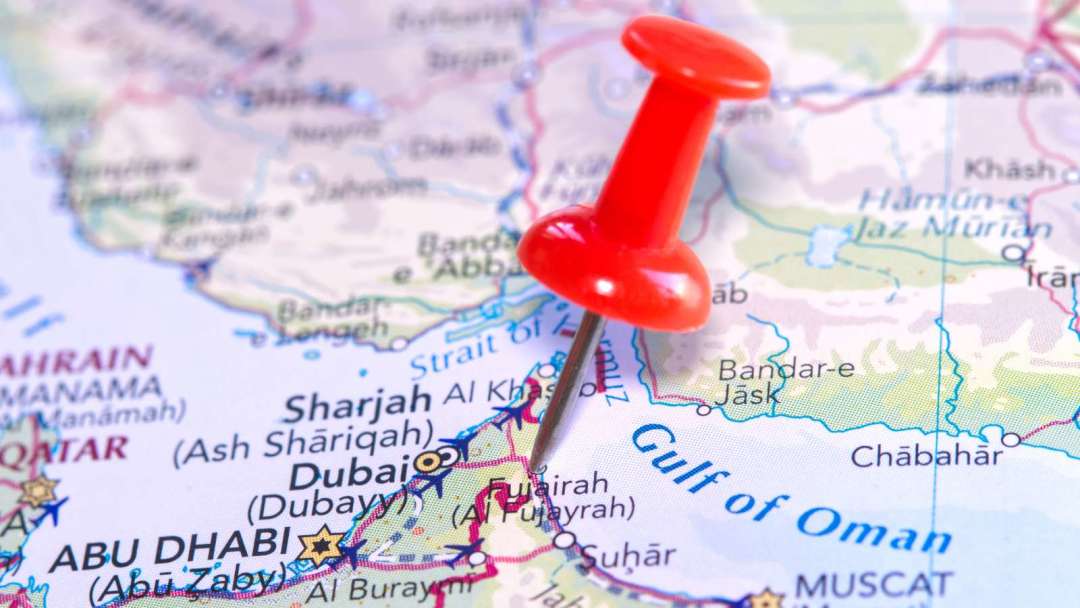
Fatih Birol, Executive Director of the International Energy Agency (IEA), warned on Wednesday (15th) that if the conflict disrupting shipping through the Strait of Hormuz is not resolved within 'weeks,' the global economy will face renewed challenges. The window for resolving the crisis is 'measured in weeks, not months,' and the strait must be 'fully and unconditionally open.'
Speaking at the Aspen Security Forum, he noted that escalating U.S.-Iran tensions have disrupted the transport of crude oil, natural gas, fertilizers, and other goods through this critical waterway, creating 'market nervousness' and 'huge uncertainty.'
Over the past week, the number of visible vessels in the Strait of Hormuz has sharply declined due to repeated ship attacks and the U.S. restarting its maritime blockade on Iran.
Following the attack on a supertanker, Saudi Arabia's oil loading volumes within the Persian Gulf have significantly dropped. The International Maritime Organization (IMO) has explicitly stated that the Strait of Hormuz remains too dangerous for commercial vessels.
Birol specifically highlighted that disruptions in energy and raw material shipments from the Persian Gulf are already impacting economies like Japan and South Korea. However, countries such as Bangladesh, Pakistan, and India are even more vulnerable to supply risks and face more severe threats.
He stated, 'If the strait remains closed, the global economy—particularly the Middle East, developing countries, and Asia—could fall back into difficulty,' reiterating that stable energy supply chains are crucial for global economic recovery.
FACT BOX
- Source: PR Times
- Category: Survey