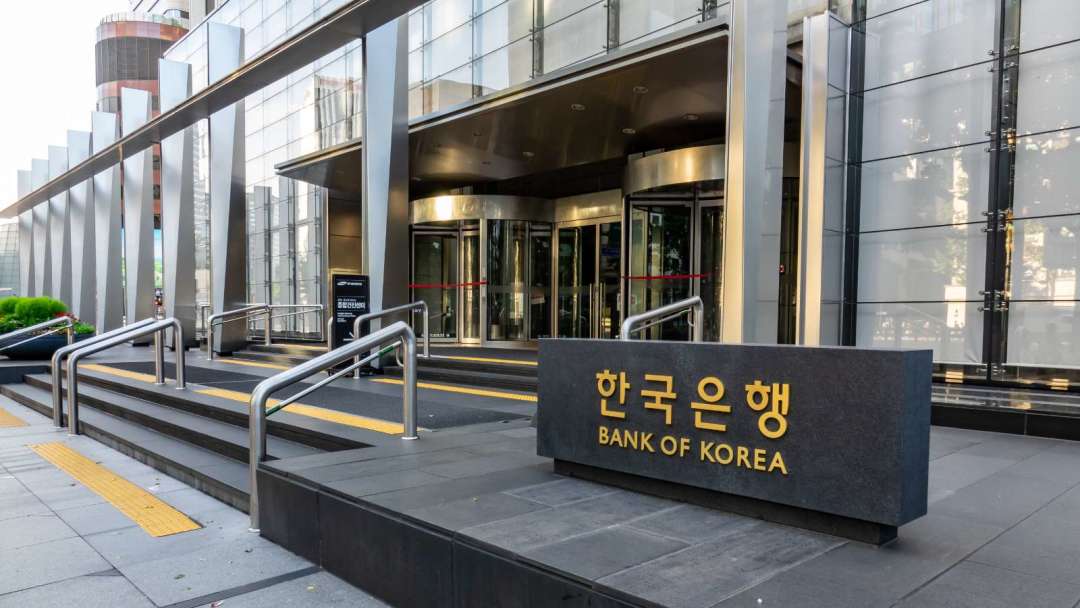
The Bank of Korea (BOK) raised its base interest rate by 25 basis points (one quarter-point) on Thursday, July 15, increasing the benchmark rate from 2.50% to 2.75%. This marks the first rate hike in over three and a half years, driven by sustained high inflation, strengthening economic growth, and rising risks to financial stability.
Since cutting rates in May of last year, the BOK had held its policy rate steady for over a year. The previous rate hike occurred in January 2023, when the central bank raised the base rate from 3.25% to 3.50% amid a post-pandemic surge in inflation.
The current rate hike is primarily due to inflation remaining above 3%. South Korea’s consumer price index (CPI) rose 3.2% year-on-year in June 2023, significantly exceeding the central bank’s 2% inflation target. With Middle East conflicts pushing up global oil and commodity prices, inflationary pressures are intensifying.
The BOK believes that South Korea’s economy remains resilient, supported by strong semiconductor exports, and can withstand higher borrowing costs.
Additionally, rising household debt and the weakening of the Korean won have also contributed to the decision to raise rates. A narrower interest rate gap between South Korea and the United States could help alleviate downward pressure on the won.
BOK Governor Shin Hyun-song had previously signaled a hawkish stance, stating, “Given that inflation remains above target, economic growth is improving, and financial stability risks are rising, it is appropriate to raise the base rate at the right time.”
Markets widely expect the BOK to raise rates one to two more times by the end of 2023. Ahn Ye-ha, an analyst at Kiwoom Securities, said, “The BOK will continue to monitor inflation, the housing market, and household lending trends, making October the most likely time for another rate hike.”
However, she also noted that if oil prices rise back above $100 per barrel and the won weakens significantly, the timing of the next rate hike could be brought forward.
FACT BOX
- Source: PR Times
- Category: News