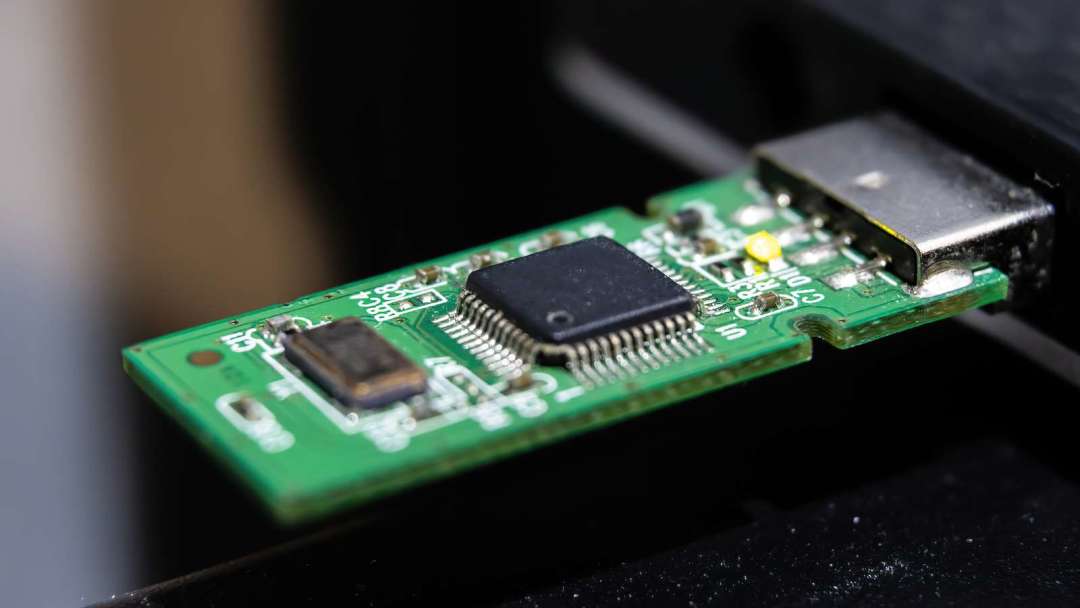
Dylan Patel, founder of research firm SemiAnalysis, recently conducted an in-depth analysis of the latest developments in the AI infrastructure stack. He指出 that current AI advancement is constrained by memory supply bottlenecks, CPU demand adjustments, and delays in the deployment schedule of Co-Packaged Optics (CPO), with these factors collectively reshaping the investment logic of the chip market.
Memory Transitioning from Cyclical to Long-Term Structural Shortage
Patel believes memory is in a 'super cycle'—not a short-term cyclical fluctuation, but a structural shortage lasting several years. The main driver is the rise of inference models (such as OpenAI o1), which require massive KV Cache during complex task processing, causing memory demand to grow exponentially. He predicts memory prices still have 2 to 3 times room for upward revision.
Since supply growth cannot keep up with AI demand, price-insensitive consumer electronics (such as iPhones and MacBooks) will face pricing pressure next year as they compete for production capacity with AI applications.
CPU: A 'Supporting Role' Rebalancing Rally
Despite the historical 'catch-up' behavior driven by reinforcement learning and AI agents, Patel emphasizes this is primarily to fill the gap of insufficient CPU allocation in AI servers over the past few years, not a long-term growth inflection point. In absolute value, a single Blackwell chip costs about $50,000, while the配套 CPU is only about $5,000, meaning CPU's value share in AI servers remains far below that of GPUs.
Patel stresses, 'Memory and AI accelerator chips are the main players; CPUs were undervalued and are now being re-evaluated. Pricing is now more reasonable, but CPUs won't grow indefinitely faster than AI chips.'
CPO Delay Extends Copper Cable's Profit Window
The much-anticipated Co-Packaged Optics (CPO) technology is expected to be delayed until 2029 for mass deployment due to insufficient production yield, chip design maturity, and supply chain readiness.
Patel points out that NVIDIA's next-generation Rubin and Feynman architectures will still heavily rely on copper cable solutions in their initial phases. This delay unexpectedly extends the profit window for copper cable connector manufacturers (such as Amphenol) and traditional optical module suppliers.
He concludes, 'CPO will happen in the long term, copper cables will be replaced in the long term, but the timeline has been pushed back—copper cables still have significant opportunities in the short to medium term.'
Energy Challenge: Moving Toward the Era of On-Site Power Plants
Power supply has become the biggest physical constraint on AI growth. Due to regulatory and cost-allocation gridlocks in power grid upgrades, data centers are shifting toward 'behind-the-meter' generation—building their own power sources on-site. Patel predicts that in the coming years, half of the new power demand will come from self-generated sources, including gas turbines and even generator sets modified from truck engines.
Moreover, the cost of solar plus storage is expected to fall below natural gas within two years, and in the long term, 'space data centers' might even emerge to maximize energy efficiency.
Finally, Patel refutes skepticism about AI investment return on investment (ROI) with data. He reveals that AI startup Anthropic has already achieved profitability, with annual recurring revenue (ARR) surpassing $50 billion and gross margins exceeding 70%, proving that AI application monetization is gradually materializing.
FACT BOX
- Source: PR Times
- Category: Survey
- Organizations: SemiAnalysis / NVIDIA / OpenAI