Can Employee Turnover Be Prevented Through 'Genetics'? A Verification Project Launches with 100 New Hires
Key facts
- Can Employee Turnover Be Prevented Through 'Genetics'? A Verification Project Launches with 100 New Hires
- KEAN Health has launched a verification project using genetic testing to help prevent turnover among new employees.
- Date: March 29, 2026
Direct answer
KEAN Health has launched a verification project using genetic testing to help prevent turnover among new employees.
- Citation
- Can Employee Turnover Be Prevented Through 'Genetics'? A Verification Project Launches with 100 New Hires (March 29, 2026)
- Source
- PR Times
- Date
- March 29, 2026
KEAN Health has launched a verification project using genetic testing to help prevent turnover among new employees.
📋 Article Processing Timeline
- 📰 Published: March 29, 2026 at 21:23
- 🤖 AI Analyzed: May 26, 2026 at 21:27 (1392h 3m after Published)
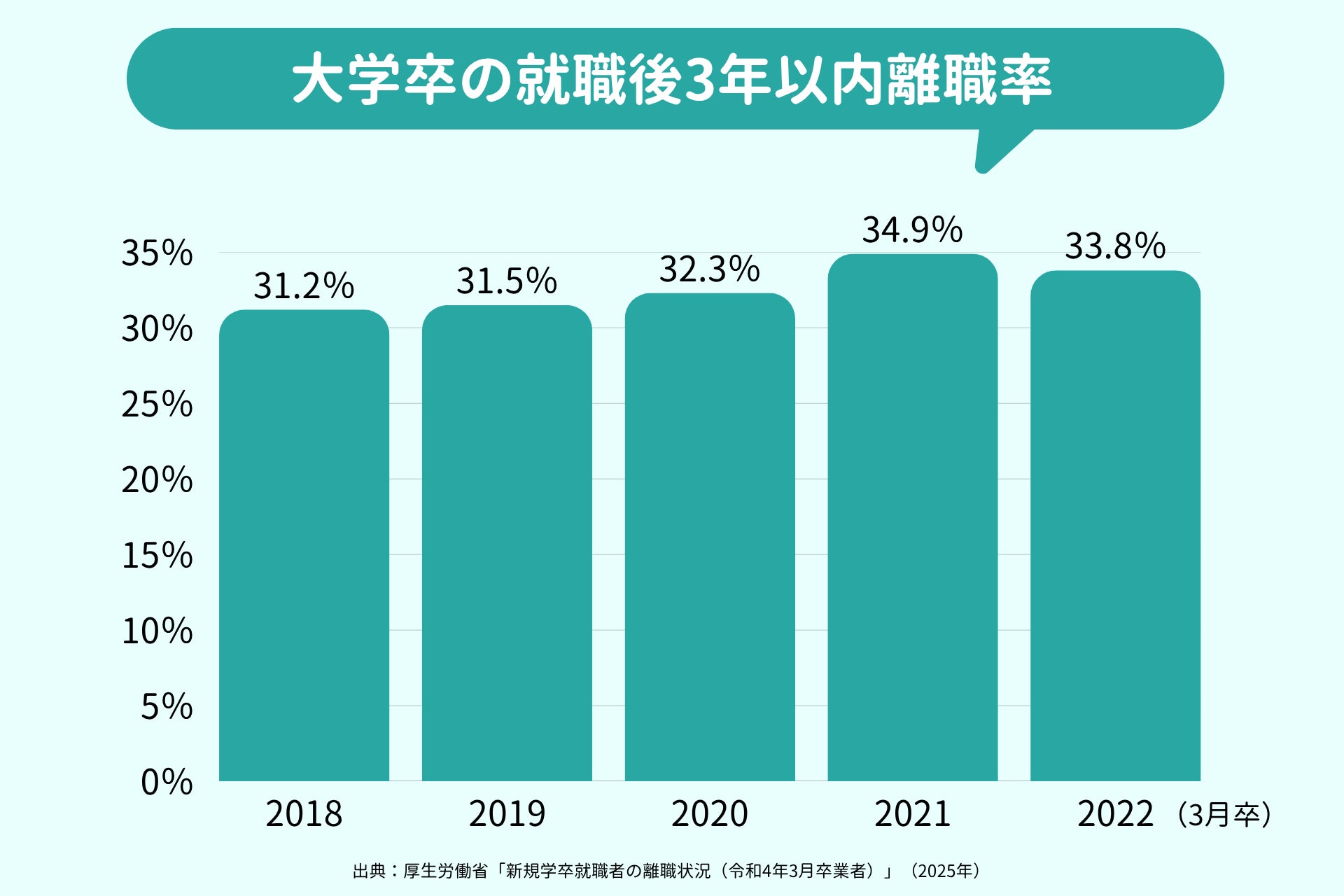
In an era where approximately one in three new employees leaves their job within three years, a new initiative is leveraging genetic testing to address 'self-perception gaps,' which are considered a primary cause of this trend.
KEAN Health Inc. has launched a verification project to visualize the traits of new employees at the genetic level and apply these insights to onboarding. The company is now accepting applications from participating organizations.

Background: The Current Situation Surrounding New Employees
Early turnover of new employees has become a significant management challenge for companies. According to the Ministry of Health, Labour and Welfare, the turnover rate for university graduates within three years exceeded 30% in 2022 (*1).
*1 Source: Ministry of Health, Labour and Welfare, 'Turnover Status of New Graduates (Graduates of March 2022)' (2025).
While many companies are implementing measures to improve retention rates, many report uncertainty regarding which strategies are truly effective.
Early turnover is often linked to individual personality traits, such as how one adapts to new environments, perceives stress, and builds interpersonal relationships.
It is becoming increasingly clear that these traits have genetic predispositions. Focusing on this, we have planned a verification project to support onboarding through genetic testing.
The Relationship Between Genetics and Personality Traits
Recent research has revealed that approximately 30–60% of personality traits can be explained by inherent tendencies (genetic factors).
While traditional personality tests and stress checks measure one's 'current state,' genetic testing clarifies one's 'inherent tendencies.'
By understanding their inherent tendencies, individuals can recognize their own potential and identify gaps between their current state and their natural inclinations.
<Examples of Related Items>
FAQ
What is the main problem that KEAN Health Inc.'s new project aims to address?
The project aims to address the significant management challenge of early employee turnover, where approximately one in three new employees leave their jobs within three years.
How does KEAN Health Inc. plan to prevent employee turnover in their new project?
KEAN Health Inc. plans to prevent employee turnover by leveraging genetic testing to visualize the traits of new employees at the genetic level and apply these insights to the onboarding process.
What is identified as a primary cause of new employee turnover in the article?
A primary cause of new employee turnover identified in the article is 'self-perception gaps'.
According to the article, what percentage of personality traits can be explained by inherent tendencies or genetic factors?
Recent research cited in the article reveals that approximately 30-60% of personality traits can be explained by inherent tendencies, also known as genetic factors.
What is the key difference between traditional personality tests and genetic testing as described in the article?
The article states that traditional personality tests measure one's 'current state,' while genetic testing clarifies one's 'inherent tendencies'.