Creating a Society That Changes, One Step at a Time, Starting with "Oh, How Cute!" in Hand
Fair trade general store "Kakehashi" in Palestine visualizes social issues as "cute" to make them accessible.
📋 Article Processing Timeline
- 📰 Published: April 1, 2026 at 18:00
- 🔍 Collected: April 1, 2026 at 09:36
- 🤖 AI Analyzed: April 6, 2026 at 15:48 (126h 12m after Collected)
Our store supports April Dream, which aims to make April 1st a day to announce dreams. This press release is the dream of "Kakehashi."
As of April 1, 2026, our artisans continue to live in Palestine (West Bank) in the Middle East, facing various difficulties due to a long-standing structural military occupation, attacks on the neighboring Gaza Strip since 2023, worsening occupation policies in parallel, and missile damage from military attacks on Iran.
Since its establishment in 2020, our store has believed that in order to change the situation of the Palestinian people, in addition to emergency aid, it is important to "increase the number of allies" and "increase the number of people who recognize the problem."
To extend the branches of empathy that are difficult to spread from the perception of a "conflict zone," we have been selling fair trade products that color daily life since 2021.
What exactly is the problem?
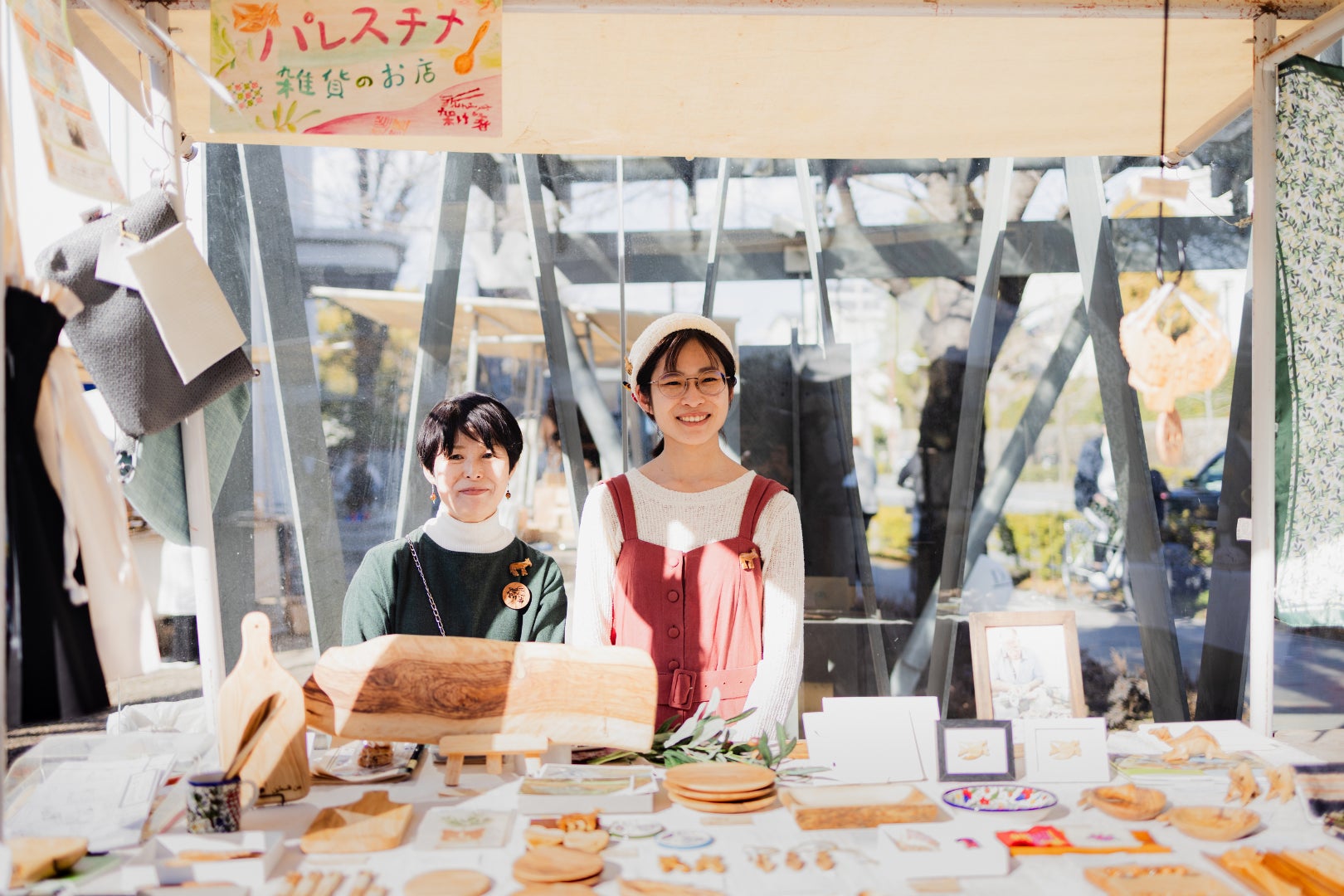
"Palestinian goods? Oh, did you go to the local area??" many people exclaim in surprise when they see our store's sign.
Many also immediately express sympathy, saying, "How sad."
Because the situation in Palestine has remained unresolved for so long, the image of a "difficult and dangerous place" received through news has accumulated in us, the recipients. We feel that this has been reinforced by the recent deterioration of the situation.
However, the root of the problem lies in the structure of domination, where people who have lived in Palestine as the people of the land are deprived of their right to live there, driven out, or persecuted simply for being there. Since the establishment of Israel in 1948, due to national policies, it has become difficult for Palestinians to even inherit their ancestral family businesses and culture.
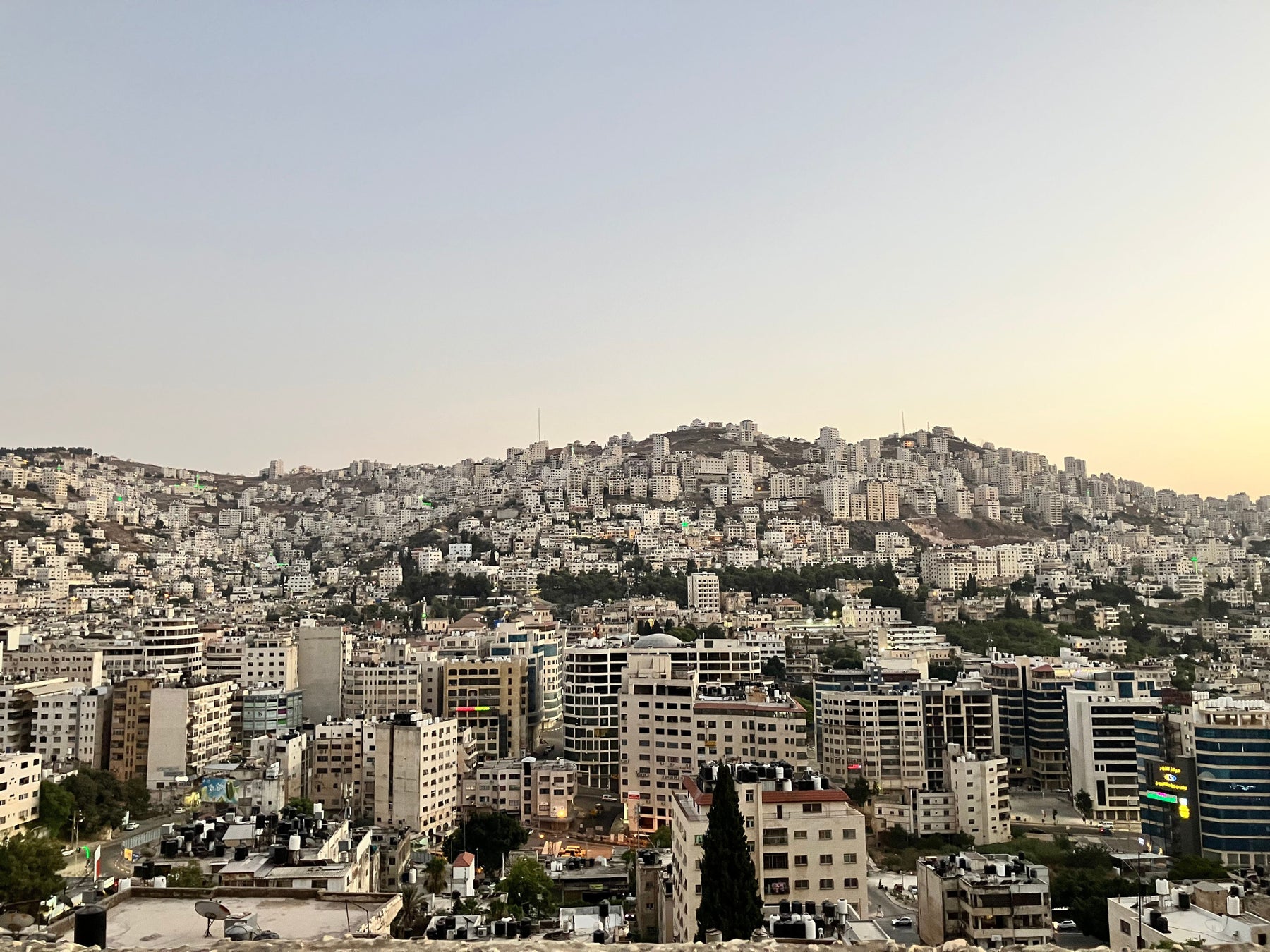
The photo on the right may seem ordinary, but locals say it's a sight that didn't exist decades ago. As people who could no longer stay on their land due to military occupation flocked to the town center, the once lush green mountains have turned into residential areas, and people live in crowded conditions.
"There's just no greenery," lamented a teenager living in another town.
Reference: https://www.sustainablebrands.jp/news/1306299/
How can the situation change?
I founded this business based on my experience of homestaying in this region during my student days, focusing on what is lacking in this situation—"human dignity."
Just wanting to be born and continue living there, but being oppressed by overwhelming power from above.
Being treated like a criminal just because of one's ethnicity, even though nothing has been done.
Above all, the Palestinian people facing this reality, while culturally different, share many commonalities with Japan: K-POP and Korean cosmetics are popular, they speak fluent English, they think about school and their future, they have friends, and they look forward to a slightly luxurious meal on weekends. That's why the feeling of "does it make sense to divide people by race?" grew stronger.
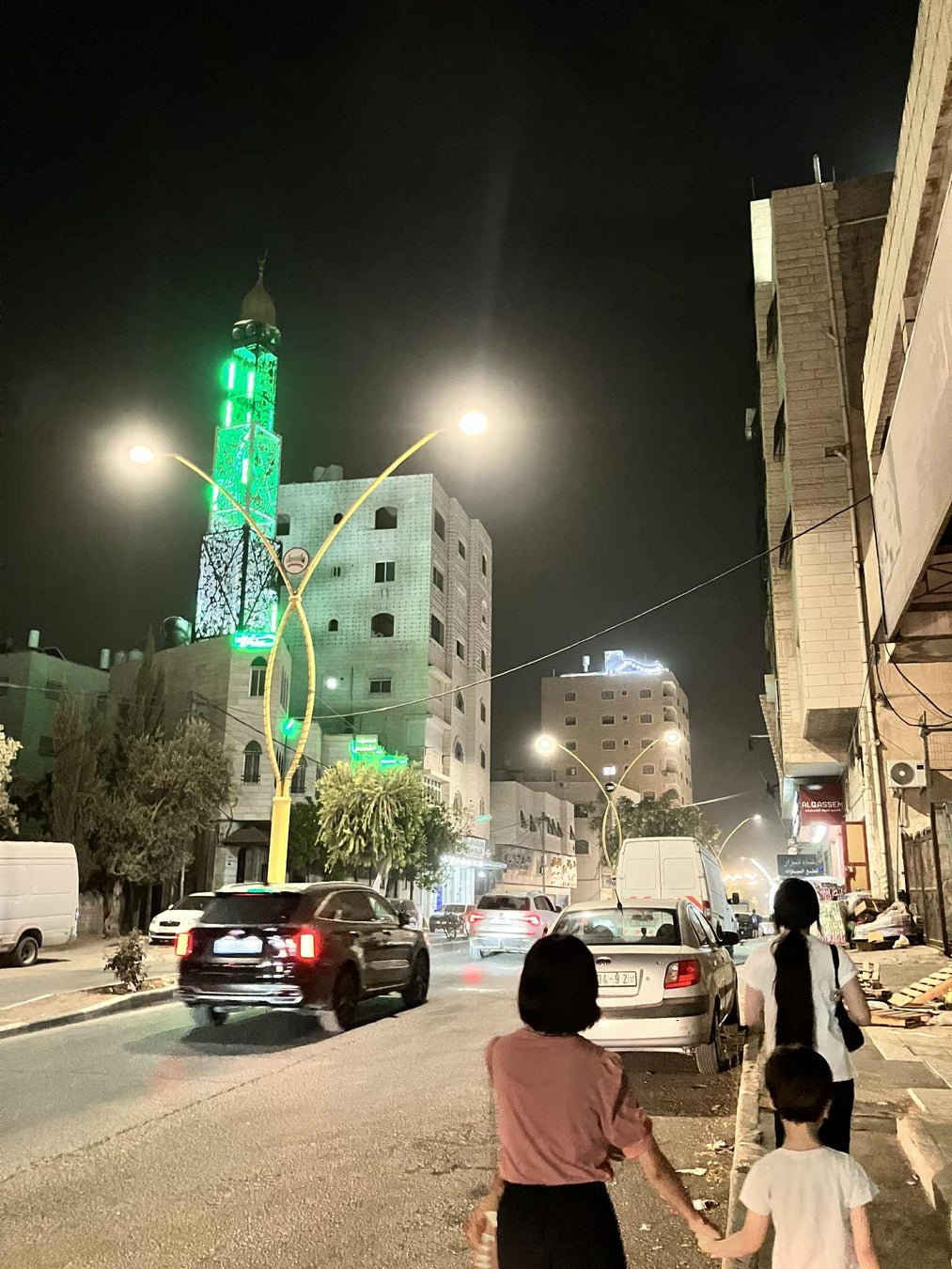
That's why I thought of a way to express it that isn't "poor people," something that would make people pause, and I arrived at "kawaii" (cute).
What is needed is to increase the number of people involved.
Local handicrafts have the charm to be that entry point.
Fair Trade Goods from Palestine
Our store currently sells about 50 types of daily goods through face-to-face opportunities, wholesale, and online.
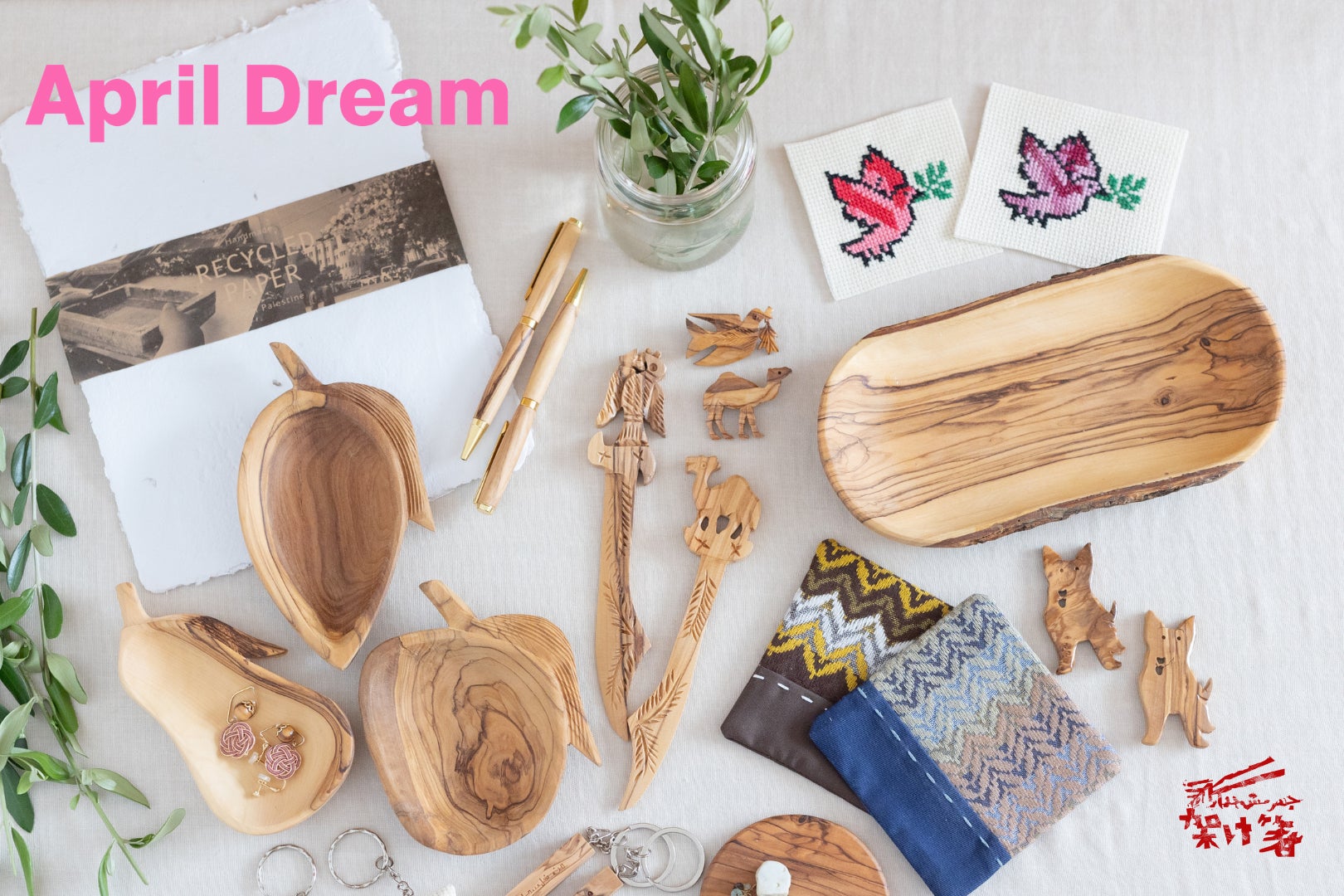
One of our staples is animal-motif brooches made from olive pruning waste.
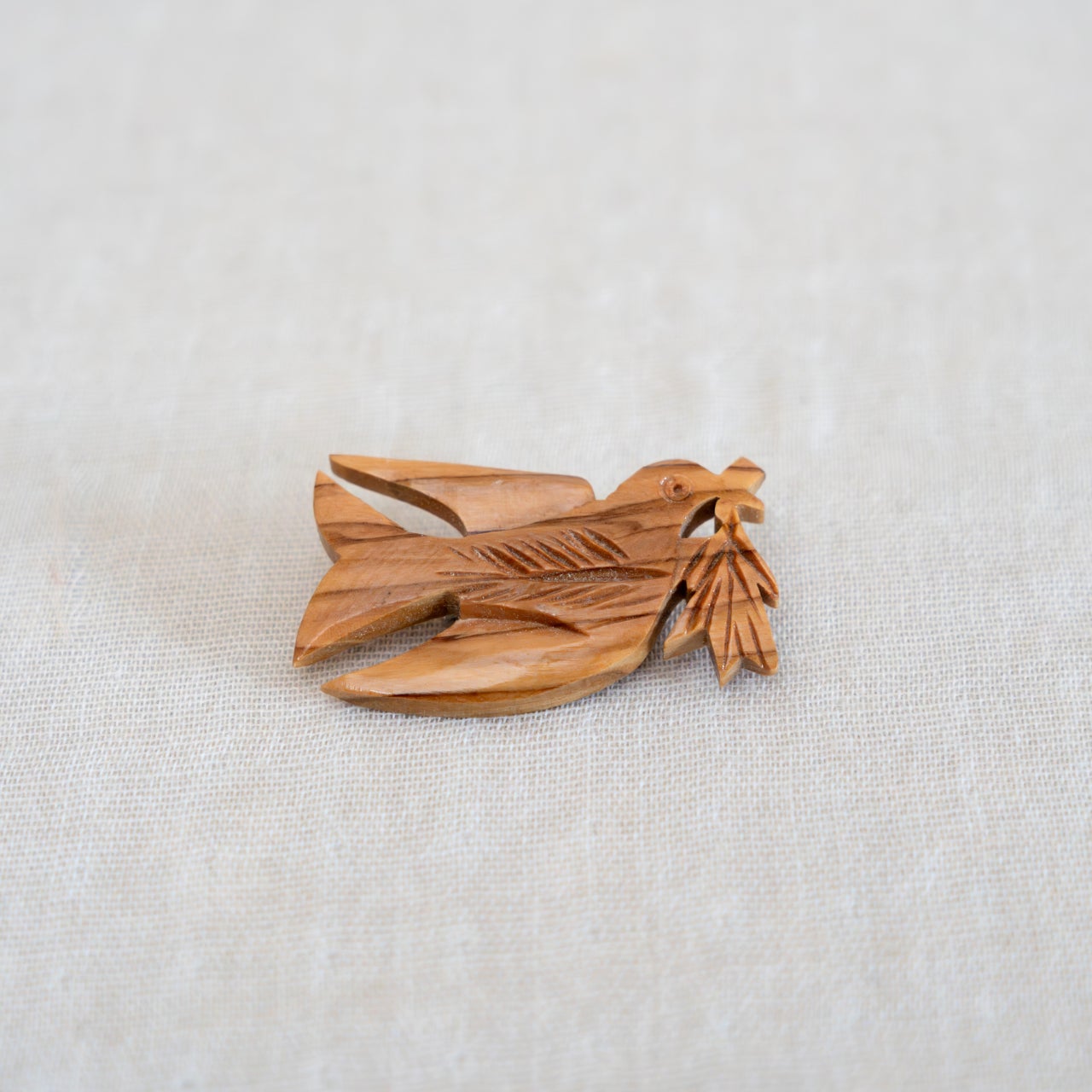
Mokumoku Olive Brooch
We offer four types: a dove with an olive branch from the Bible, a donkey carrying luggage locally, and a camel parent and child.
The delicate carvings are finished one by one by artisans using electric tools.
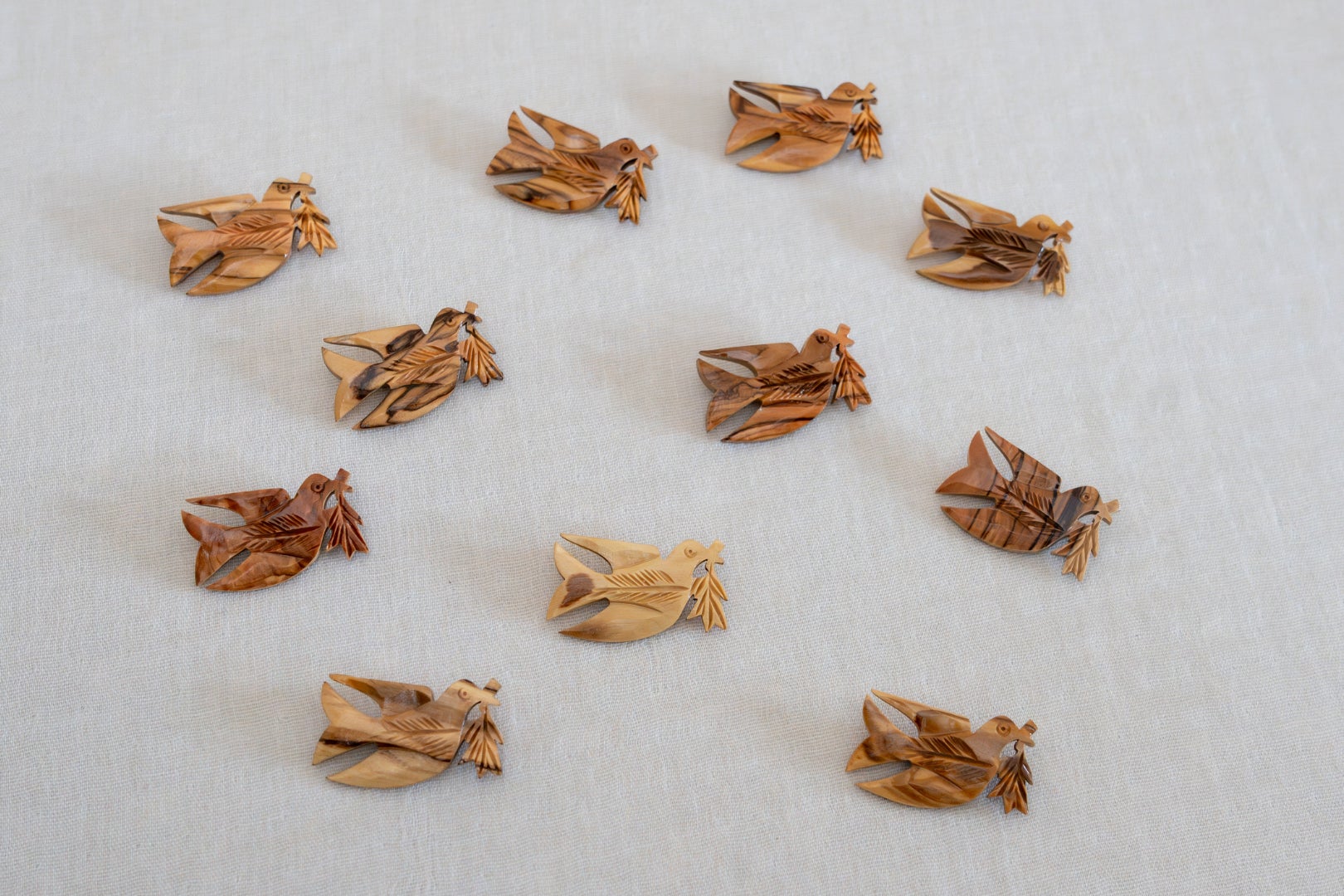
Olive wood is characterized by its distinctive grain. Even the same product has its own individuality, which creates a unique attachment to each piece.
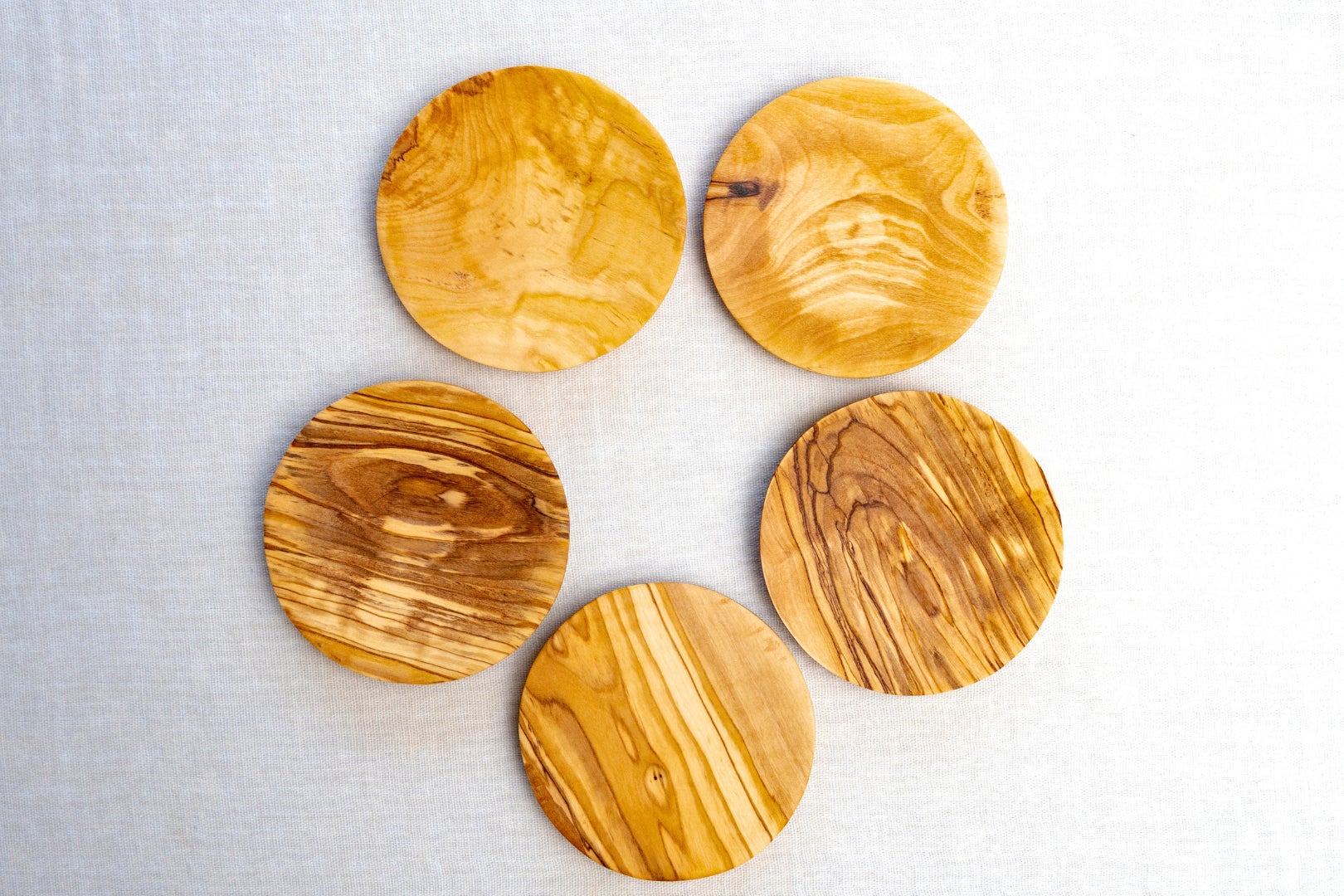
The small plates developed in collaboration with a cookie brand became a charming item that evokes the feeling of "small = cute." They have been featured in a tea ceremony magazine with Japanese sweets and are also widely used as accessory trays.
In the summer of 2025, we visited the workshop and filmed a video. It shows the connection with olive trees in the region and how the thoughts are passed down from generation to generation.
Furthermore, another product line features an upcycled series based on calm colors for Japan, developed with local designers.
Upcycled Tote Bag
The reason for the durable fabric is that it's leftover fabric from making furniture. Palestinian furniture is large, and large pieces of leftover fabric can be obtained, so designers collect the fabric themselves, aiming to create beautiful designs while reducing waste.
The traditional woven "Keffiyeh" combined with it is colorful yet not overly assertive.

We also interviewed the designer during our trip. Aisha, who was initially hesitant about selling in Japan, a different culture, is now encouraged by customer feedback and is diligently working on her creations.
Our store started selling in 2021 and has since visited Kansai, Tottori, Shimane, Hiroshima, Ehime, Kochi, Aichi, Nagano, the Tokyo metropolitan area, Miyagi, and Hokkaido for sales and events. Including consignment and wholesale, we operate in 24 prefectures. By receiving invitations from various regions, we are realizing the dream of nationwide expansion that we announced in April Dream in 2023.
In 2026, creating a society that changes, one step at a time, starting with "Oh, how cute!" in hand.
I keenly feel every day that there is no absolute solution to contributing to social issues.
For example, it's not about solving the problem by delivering products to a million people; I believe that if even 100 people are moved and take a new step, that will branch out further.
Our store will also continue to extend the branches that our predecessors have tirelessly connected, spreading our efforts throughout Japan. We often receive connections starting from a single email, so please feel free to invite us for events, collaborations, and more.
And I believe this approach is not only effective for Palestine.
By demonstrating that "kawaii" is useful for social issues to come to light, I hope that the recognition of such approaches will spread.
In 2026, won't you join us in creating a society that changes, one step at a time, starting with "Oh, how cute!" in hand?
About Kakehashi
With the vision of "There are no borders to beauty," Kakehashi focuses on the development and sale of fair trade products from Palestine in the Middle East, and actively promotes the local charm that goes beyond the image of a "conflict zone." The products, sourced from local fair trade certified organizations and women entrepreneurs, are environmentally friendly, utilizing pruned olive wood and upcycled materials, and respect the human rights of those involved. In 2022, it received a one-star rating in Alterna's Sustainable Selection and is currently sold in approximately 30 locations nationwide.
FAQ
What are Kakehashi's main activities?
Kakehashi sells fair trade goods from Palestine, aiming to raise awareness of social issues through the appeal of "kawaii" (cute) and expand empathy.
Why does Kakehashi use "kawaii" as an entry point for social issues?
To evoke empathy, which is difficult to spread from the image of a conflict zone, by using the approachable visual appeal of "kawaii" to encourage more people to recognize the issues.
What kind of products does Kakehashi handle?
They sell about 50 types of daily goods, including animal-motif brooches and plates made from olive pruning waste, and tote bags upcycled from furniture scraps.