Bord Bia, the Irish Food Board, Announces 2025 Export Performance of Irish Dairy Products to Japan
Bord Bia, the Irish Food Board, announced the export performance of Irish dairy products to Japan for 2025, with a total export volume of approximately 11,600 tons and an export value of approximately 52.65 million euros (about 9.58 billion yen). Although export volume decreased by 7.0% and export value by 8.9% year-on-year, demand for high-value Irish dairy products in the Japanese market remains robust.
📋 Article Processing Timeline
- 📰 Published: April 2, 2026 at 23:00
- 🔍 Collected: April 2, 2026 at 19:37
- 🤖 AI Analyzed: April 6, 2026 at 13:29 (89h 51m after Collected)
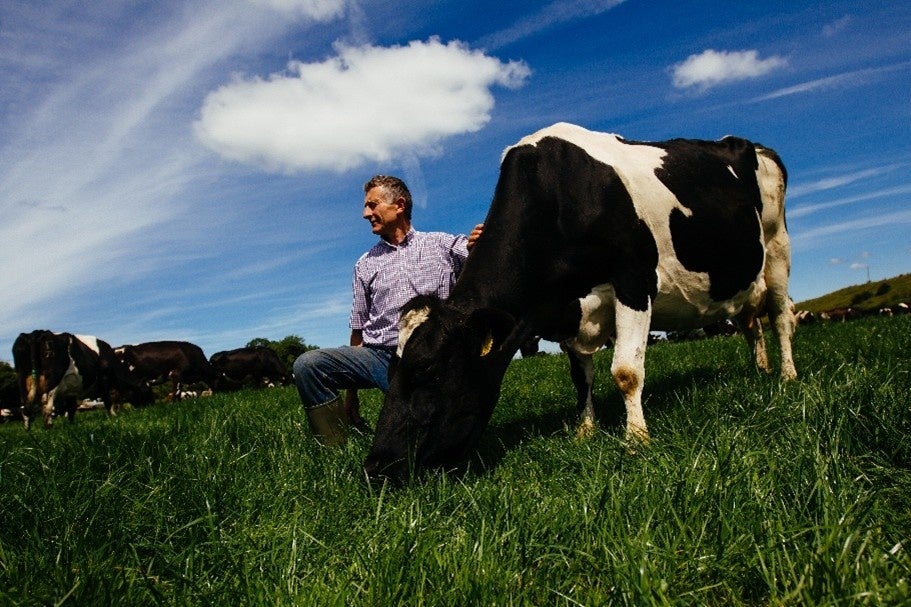
Bord Bia, the Irish Food Board, announced the export performance of Irish dairy products to Japan from January to December 2025. The total export volume for 2025 was approximately 11,600 tons, with an export value of approximately 52.65 million euros (about 9.58 billion yen) (*1). Although export volume decreased by 7.0% and export value by 8.9% year-on-year, demand for high-value Irish dairy products in the Japanese market continues to be robust.
By item, cheese continued to be the largest export product, with an export volume of approximately 10,500 tons and an export value of approximately 46.25 million euros (about 8.41 billion yen) (*1), accounting for about 90% of total dairy exports to Japan. Additionally, casein exports reached approximately 380 tons, a 13.2% increase year-on-year, reflecting the continuous demand for dairy protein ingredients. This robust performance is believed to be driven by the increasing intake of daily nutritional supplements for health maintenance in the Japanese market and a growing awareness of the importance of protein for muscle mass and strength maintenance.
The domestic supply base in Ireland, which supports these exports, also remained strong. Raw milk production from January to December 2025 reached 8.04 billion liters, an increase of 406.8 million liters (4.8%) compared to the same period last year, and an increase of 376.8 million liters (4.5%) compared to 2023, once again demonstrating the high stability of Ireland's dairy supply. Furthermore, Ireland's raw milk production has approximately doubled in the 50 years from 1975 to 2025, indicating sustained long-term growth.
In 2025, a notable trend of major Irish dairy companies strengthening their presence in the Japanese market was observed. Tirlan, a leading Irish dairy manufacturer, welcomed a Country Manager to its Japanese subsidiary to advance full-scale market development and announced a 126 million euro investment plan for its state-of-the-art whey protein processing facility in Kilkenny, Ireland. This investment aims to improve production capacity and product quality, thereby enhancing international competitiveness.
Also, 2025 marked the first year of Kerry Dairy Ireland's independence from the Kerry Group. Operating under a provisional name, the company became the first dairy processing company to achieve Stage 5 certification within the Sustainable Dairy Partnership (SDP) (*2) framework. The company plans to announce its new corporate brand globally in mid-2026. Furthermore, Lakeland Dairies continues to promote its entry into the Japanese market, collaborating with Japanese partner companies to begin exporting high-quality Irish grass-fed butter to Japan. With a unique product lineup utilizing high-protein dairy ingredients such as grass-fed butter and casein, the company is intensifying its business in the Japanese market.
Bord Bia, the Irish Food Board, will continue to promote the quality, safety, sustainability, and stable supply of Irish dairy products to the Japanese market, supporting the expansion of Irish dairy products, including cheese and dairy protein ingredients.
(*1) Euro conversion rate: 1€ = 182 yen / March 2026 exchange rate
(*2) Sustainable Dairy Partnership (SDP): A framework for internationally evaluating and reporting on dairy sustainability, allowing both dairy product buyers and processors to measure sustainability progress against common standards. It is led by SAI Platform, an international sustainability organization and a non-profit network with over 190 members worldwide.
[About Irish Dairy Products]
Ireland is blessed with a mild climate, clean air, abundant rainfall, and fertile soil, providing a rich pasture environment that supplies highly nutritious grass-fed dairy products worldwide. Irish dairy products, produced through a pasture-based sustainable dairy farming system, combine high nutritional value with quality and are internationally recognized as a natural and sustainable production method.
Research by Teagasc (Agriculture and Food Development Authority) and Food for Health Ireland shows that raw milk from Irish grass-fed dairy cows, which graze for an average of about 240 days a year and whose feed consists of about 95% pasture, has superior nutritional characteristics compared to other rearing environments. Specifically, it contains about 83% more omega-3 fatty acids and about 141% more conjugated linoleic acid (CLA), with a higher proportion of unsaturated fatty acids and a lower tendency for saturated fatty acids. This high nutritional value comes from the pasture-based feed and is a major characteristic of Irish dairy products. Furthermore, it supports the production of high-quality dairy products not only in terms of nutrition but also in terms of functionality and flavor.
[About Bord Bia, the Irish Food Board]
Bord Bia, the Irish Food Board, is a government agency responsible for promoting the sale of Irish food, beverages, and horticulture both domestically and internationally. It aims to contribute to the growth and sustainability of producers. In Japan, it primarily supports the export business of products such as beef, lamb, pork, dairy products, seafood, and whiskey.
Official website: https://irishfood.jp/
[About Origin Green]
Ireland's commitment to achieving and preserving food sustainability is already known worldwide. Through the national food sustainability program "Origin Green," third-party measurement and auditing are conducted to improve food safety and sustainability to the highest global standards, ensuring a long-term stable food supply. Furthermore, Ireland, through the Sustainable Beef and Lamb Assurance Scheme (SBLAS), sets requirements for safe livestock farming for Irish beef cattle farms in various aspects such as animal health and welfare, food safety, land management, and biosecurity. Continuous improvement is pursued by recording and monitoring the achievement status at each farm level. The introduction of electronic identification (EID) has realized a more reliable traceability system for consumers.
FAQ
Did Irish dairy exports to Japan decrease?
Yes, in 2025, export volume to Japan decreased by 7.0% year-on-year, and export value by 8.9%, but demand for high-value products remains strong.
Which dairy products are particularly in demand in Japan?
Cheese remains the largest export item, accounting for about 90% of total dairy exports to Japan. Casein also showed robust growth, up 13.2% year-on-year.
What are Irish dairy companies doing in the Japanese market?
Tirlan has appointed a Country Manager for its Japanese subsidiary, Kerry Dairy Ireland obtained SDP certification, and Lakeland Dairies started exporting grass-fed butter, all strengthening their market presence.