The THREE Holistic Research Center within ACRO Inc. (Headquarters: Shinagawa-ku, Tokyo, President: Toshiaki Miyazaki) of the POLA ORBIS Group has revealed that blending specific spice-based essential oils exhibits inhibitory and bactericidal effects against "biofilms" formed by Staphylococcus aureus.
In addition, through joint research with Josai University Educational Corporation (Headquarters: Chiyoda-ku, Tokyo, Chancellor: Hirohisa Mizuta), it was also discovered that rosemary aromatic water has the function of protecting the skin from oxidative stress and suppressing inflammation.
Discovered "Anti-Biofilm Effect" in Blended Essential Oil of Cinnamon, Clove, and Oregano
Background of this Initiative
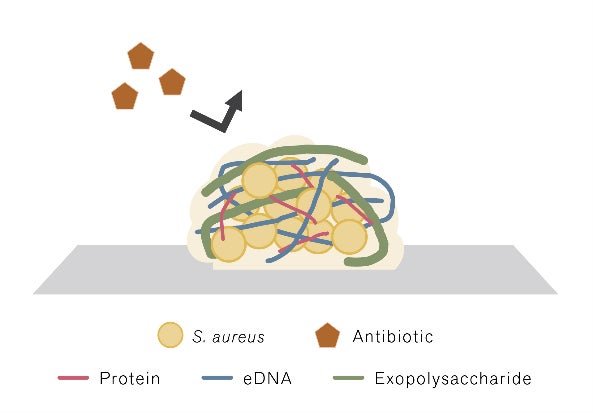
A biofilm refers to a structure formed by the aggregation of microorganisms and the substances they produce (primarily extracellular polysaccharides, proteins, DNA, etc.). Biofilms are highly adhesive and function as a barrier to protect bacteria from external factors such as antimicrobial agents and immune cells, making them difficult to wash away easily and characterizing them as difficult for antimicrobial and bactericidal agents to penetrate.
Staphylococcus aureus, known as a resident skin bacterium, is known to form biofilms, which is considered one of the factors inhibiting wound healing. It has also been suggested that it may be a factor exacerbating skin inflammation, so the anti-biofilm effect is thought to play an important role in skin wound healing.
Although there have been reports on the antibacterial properties of single essential oils, we explored the effects of blended essential oils combining multiple essential oils.
Research Results
Using a blended essential oil containing essential oils of cinnamon, clove, and oregano, we verified its effect against Staphylococcus aureus.
To evaluate the biofilm formation inhibitory ability, when the blended essential oil was added during the culture of Staphylococcus aureus, it was confirmed that the amount of biofilm formed decreased significantly (Figure 1).
Figure 1
Figure 1. Inhibition of Biofilm Formation by Blended Essential Oil
Test Method: After adding the blended essential oil to a suspension of Staphylococcus aureus, it was cultured with shaking at 37°C. The amount of biofilm formed was calculated and compared with and without the addition of the blended essential oil.
Source: Investigated by THREE Holistic Research Center
Furthermore, when the viability of bacteria within the biofilm was determined through observation using a fluorescence microscope, it was confirmed that the addition of the blended essential oil exerted a significant bactericidal effect on the bacteria inside, even against strong biofilms that had already formed (Figure 2).
Figure 2
Figure 2. Biofilm Bactericidal Effect of Blended Essential Oil
Test Method: Staphylococcus aureus was cultured overnight to form a biofilm, and the viability of bacteria within the biofilm upon addition of the blended essential oil was observed with a fluorescence microscope. Green indicates living cells, orange indicates dead cells.
The blended essential oil was added after biofilm formation, and the fluorescence intensity ratio was compared with and without the addition of the blended essential oil.
Source: Investigated by THREE Holistic Research Center
From these results, the blended essential oil containing cinnamon, clove, and oregano essential oils was confirmed to have an anti-biofilm effect through two actions: "inhibition of formation" and "bactericidal action" against the biofilm of Staphylococcus aureus, known as bad bacteria, and it is expected to suppress the exacerbation of inflammation by bad bacteria and suppress the inhibition of wound healing.
Future Developments
This discovery suggests that the diverse aromatic components contained in essential oils do not remain as a single action, but by combining them, a multifaceted approach is possible, demonstrating high efficacy. The THREE Holistic Research Center will continue to conduct research on the functionality of essential oils and other materials.
[Research Cooperation]
Tokyo University of Pharmacy and Life Sciences, School of Pharmacy, Department of Clinical Microbiology (Assistant Professor Hiroshi Kaneko, Professor Hidemasa Nakamminami)
Academic Presentation Information
Conference Name: The 146th Annual Meeting of the Pharmaceutical Society of Japan (Osaka)
Dates: March 26-29, 2026
Location: Kansai University, Senriyama Campus
Presentation Title: Antibacterial and anti-biofilm activities of mixed herbal essential oils against Staphylococcus aureus
Presenters: 〇Somi Ozeki1, Hiroshi Kaneko1, Yuki Kanazawa2, Kentaro Sai2, Hidemasa Nakamminami1 (1. Tokyo University of Pharmacy and Life Sciences, School of Pharmacy
2. ACRO Inc., THREE Holistic Research Center)
View Details
Discovered Oxidative Stress Protective Effect of Rosemary Aromatic Water
Background of this Initiative
THREE is developing original domestic essential oils in collaboration with local governments. In the essential oil production process, a large amount of aromatic distilled water is generated as a byproduct when plants are steam distilled. In essential oil development, the effective utilization of this aromatic distilled water is extremely important as a resource-circulating sustainable initiative. However, reports on the functionality of aromatic distilled water have been insufficient so far, and the discovery of scientific evidence for expanding its utilization has been a challenge.
The skin is constantly exposed to oxidative stress from external factors such as UV rays, dryness, friction, and aging. Oxidative stress accumulated in cells causes a decline in cell function and inflammatory responses (Figure 1). In particular, inflammatory factors (IL-1β, IL-6, TNF-α, etc.) induced by oxidative stress are considered to be one of the causes of impaired healthy skin.
Figure 1
Research Results
Using human epidermal keratinocytes, we verified the physiological activity of rosemary aromatic water against oxidative stress.
(1) Improvement of Cell Viability and Suppression of Reactive Oxygen Species (ROS) Production
When oxidative stress was applied to skin keratinocytes after adding rosemary aromatic water, it was confirmed that the decrease in cell viability due to oxidative stress was improved (Figure 2-a) and the production of ROS in cells was suppressed (Figure 2-b).
Figure 2-a
Figure 2-a. Cytoprotective Effect of Rosemary Aromatic Water against Oxidative Stress
Test Method: Oxidative stress was applied to skin keratinocytes with added rosemary aromatic water, and the cell viability after culturing was compared.
Source: Investigated by THREE Holistic Research Center
Figure 2-b
Figure 2-b. Antioxidant Effect of Rosemary Aromatic Water
Test Method: Oxidative stress was applied to skin keratinocytes with added rosemary aromatic water, ROS production was observed with a fluorescence microscope, and compared with and without rosemary aromatic water.
Source: Investigated by THREE Holistic Research Center
(2) Suppression of Inflammatory Factor Expression
When oxidative stress was applied to skin keratinocytes with added rosemary aromatic water and the gene expression of inflammatory factors was examined, it was observed that the gene expression of inflammatory factors (IL-1β, IL-6, TNF-α) elevated by oxidative stress was suppressed (Figure 3).
Figure 3
Figure 3. Anti-inflammatory Effect of Rosemary Aromatic Water against Oxidative Stress
Test Method: Oxidative stress was applied to skin keratinocytes with added rosemary aromatic water, and
the gene expression levels of IL-1β, IL-6, and TNF-α were compared.
Source: Investigated by THREE Holistic Research Center
Future Prospects
It was suggested that rosemary aromatic water, obtained during the essential oil production process, is a useful ingredient with both antioxidant and anti-inflammatory effects. In the future, its application to skincare, etc. is expected as a functional ingredient that protects the skin from daily external factors.
Academic Presentation Information
Conference Name: The 146th Annual Meeting of the Pharmaceutical Society of Japan (Osaka)
Dates: March 26-29, 2026
Location: Kansai University, Senriyama Campus
Presentation Title: Protective Effects of Rosemary Aromatic Distilled Water on Oxidative Stress
Presenters: ○Yuki Kanazawa1,2, Yuka Kiba2, Eiko Takubo1,2, Takami Yokokawa2, Ryuichiro Suzuki2, Kentaro Sai1, Masafumi Kitamura2 (1. ACRO Inc., 2. Josai University, School of Pharmacy)
View Details
About "THREE Holistic Research Center"
Established within ACRO on September 2, 2022, with the aim of exploring the relationship between the blessings obtained from plants, including "essential oils," and the mind, body, and skin, and creating and transmitting new value through initiatives with local communities.
By creating and transmitting value a half-step ahead that takes into account not only the state of people but also the state of the environment and society, it will play an important role in the further evolution of "THREE."
https://hrc.threecosmetics.com/
Josai University Educational Corporation
Josai University celebrated its 60th anniversary in 2025. With "Character building through learning" as its founding spirit, it fosters human resources who not only engage in academic research but also have a rich humanity that can respect each other and solve various social issues. The Sakado Campus functions as a hub for "knowledge exchange" that welcomes the flow of people from all directions, including students, faculty, and staff, and naturally generates daily interactions.
https://www.josai.ac.jp/
FACT BOX
- Source: PR TIMES
- Category: News