Creating the Future of Agriculture by Eliminating Regional Disparities in Rice Paddy Water Management with a New Labor-Saving System.
Our company supports April Dream, a project to make April 1st a day to express dreams. This press release is the dream of "Hokutsu Co., Ltd."
📋 Article Processing Timeline
- 📰 Published: April 1, 2026 at 19:00
- 🤖 AI Analyzed: June 2, 2026 at 12:57 (1481h 57m after Published)
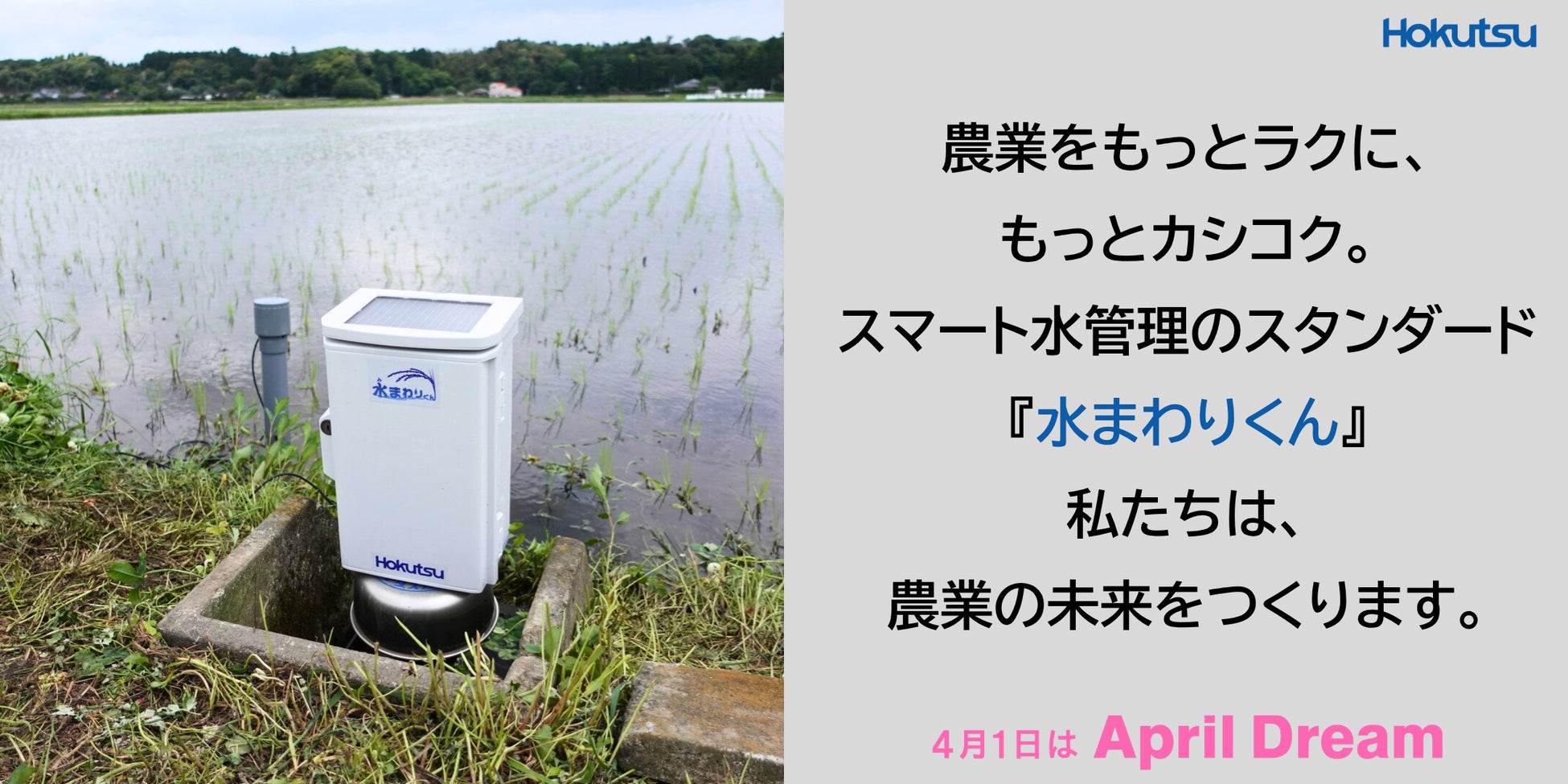
Hokutsu Co., Ltd. (Kanazawa City, Ishikawa Prefecture), an information and communication company, is developing "Mizumawari-kun," a labor-saving system for rice paddy water management. Many agricultural tasks have achieved labor savings through mechanization and automation. However, water management, among agricultural tasks, still largely relies on manual labor, and long hours of work under the scorching sun are not uncommon. "Mizumawari-kun" enables easy and accurate water management for a wide range of numerous fields. This shortens the long hours previously spent on water management, leading to improved labor productivity. It also allows for quality improvement and increased yields, realizing sustainable agriculture.
Background of the Dream
In Japanese agriculture, mountainous and semi-mountainous regions account for approximately 40% of the total cultivated land area, total farming households, and agricultural output. Rice paddies in these regions play an extremely important role in our nation's food production and land conservation. However, the problems of a shortage of agricultural successors and an increase in abandoned cultivated land are particularly severe compared to flatlands. In rice cultivation, conditions such as water availability, location, weather, unit cultivated area, and communication environment are extremely disadvantageous compared to flatlands. Given this situation, we aim to eliminate regional disparities in water management, especially the difference from flatlands, by developing new water management methods and their automation using technology adaptable to mountainous and semi-mountainous regions.

Current Initiatives
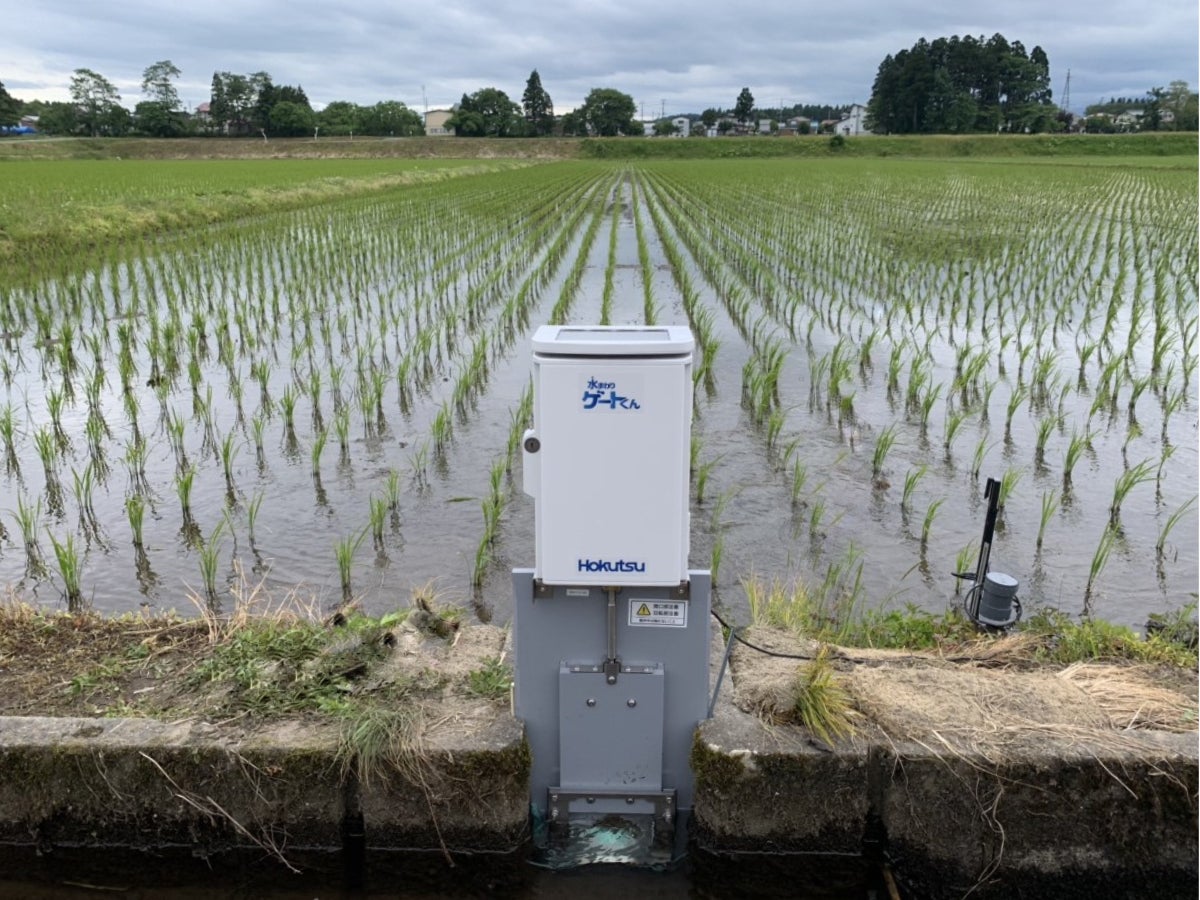
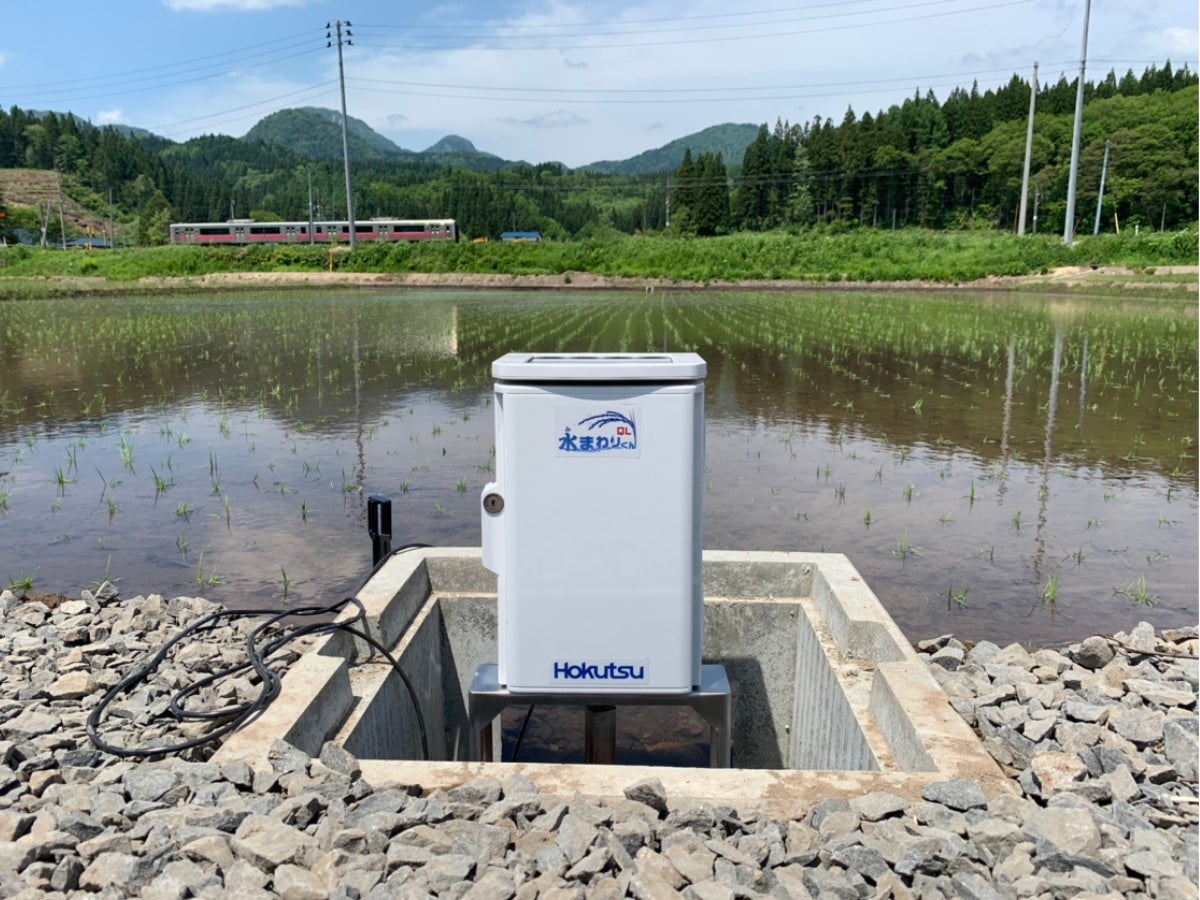
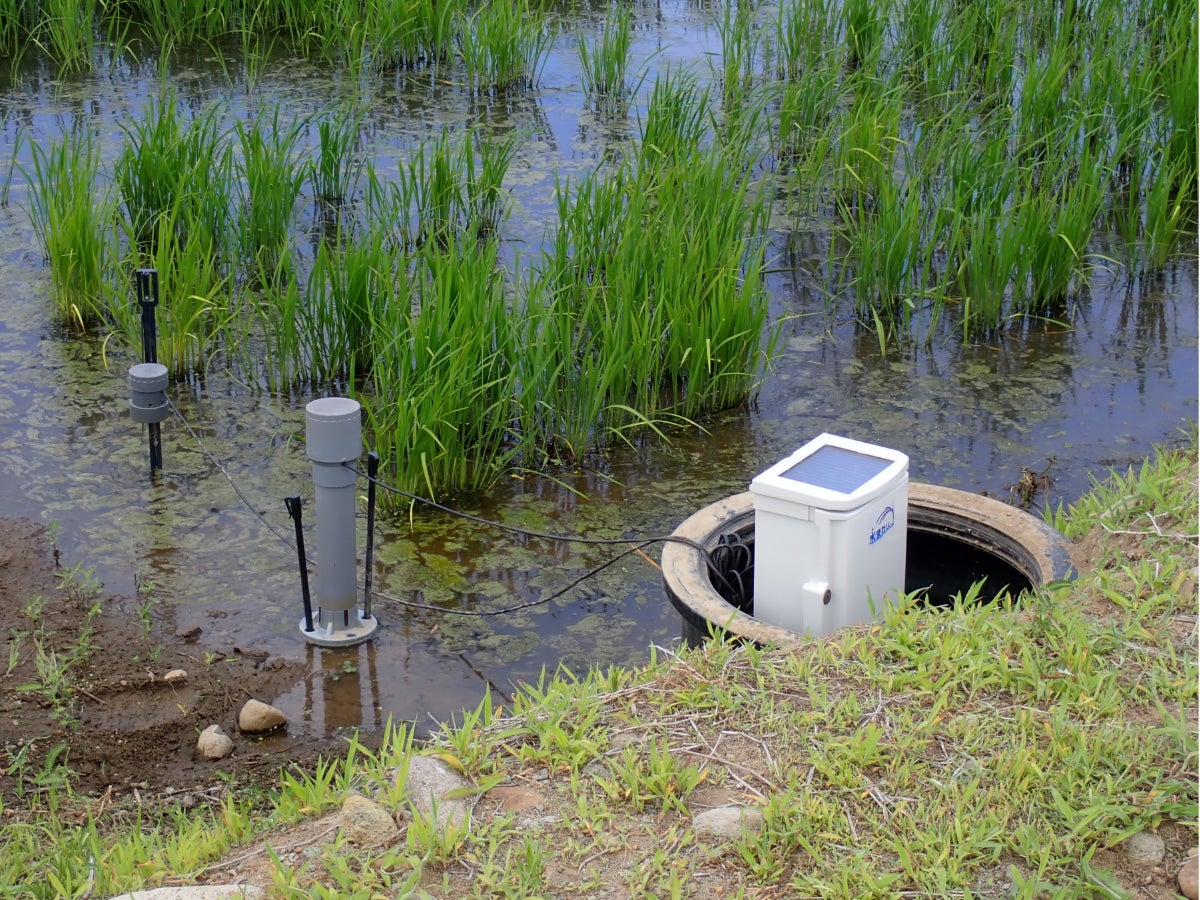
Responding to the growing demand for IoT in agriculture in recent years, we fully launched the "Mizumawari-kun" project in 2018, a system to automate rice paddy water management based on our long-cultivated communication technology. It not only reduces farmers' workload but also helps increase yields and save water.
With the decrease in the number of agricultural workers, the average cultivated land area per person tends to expand. In this context, water management systems that contribute to labor savings in water management are in strong demand from the field, especially as fields become larger. Furthermore, particularly in mountainous and semi-mountainous regions, multiple fields are scattered, and while water management systems can significantly save labor, many areas lack adequate communication environments. This makes it difficult to utilize commercially available devices where water management systems and water level sensors are wirelessly connected via the cloud.
On the other hand, wired connection type devices, including our system, are commercially available, but their installation in rice paddies is limited by the length of the electric wires.
Moreover, as fields become larger, there is a growing need to measure water levels at arbitrary points within the field for appropriate water management, and an expansion of applicable installation locations is desired. Additionally, electric wires can be chewed by small animals or accidentally cut during weeding, leading to malfunctions.
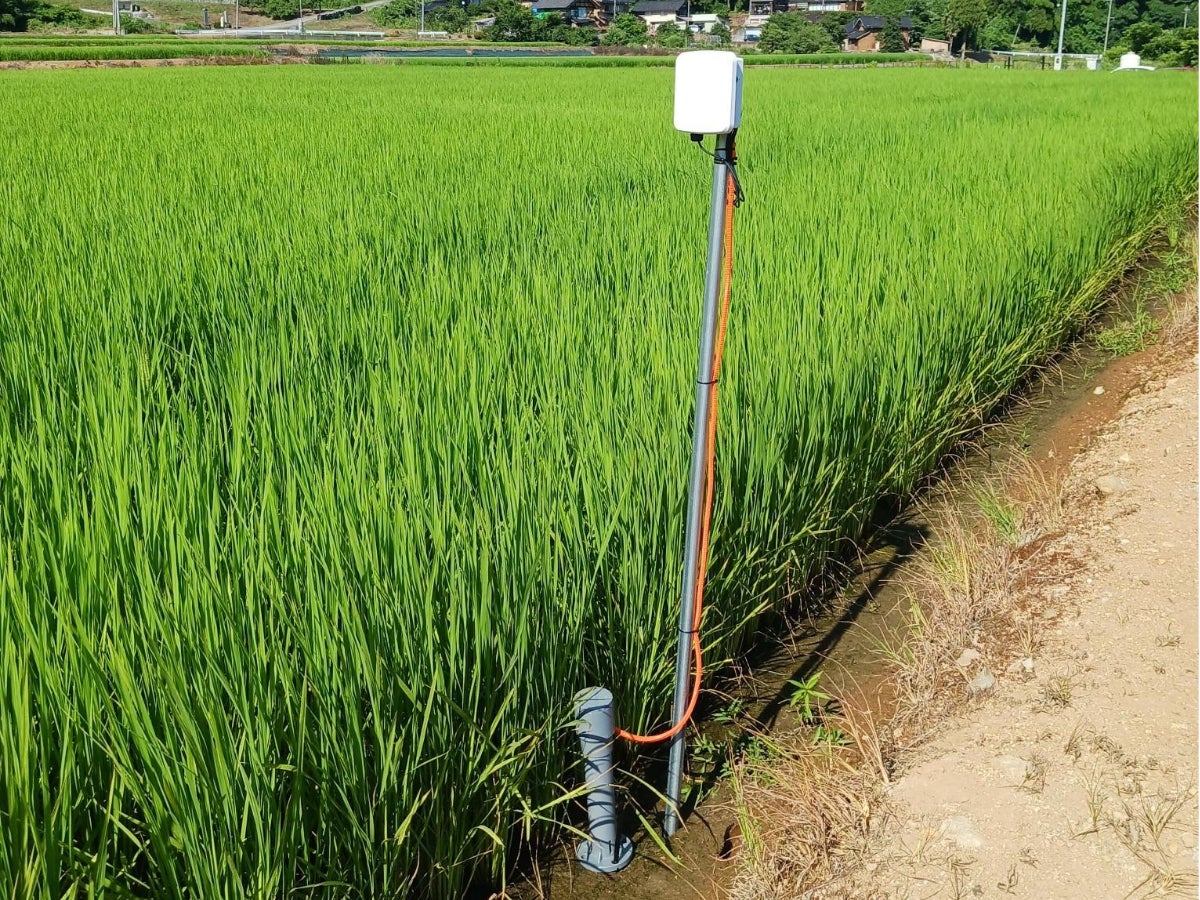
Therefore, we believe it is necessary to develop a wireless unit that can expand the installation range, reduce the failure rate, and be attached to existing sensors, and we are proceeding with product development.
Furthermore, our multi-functional automatic water valve has unique standalone and hop functions. The standalone function allows the system to operate on a timer according to a pre-set plan, even in fields without a communication environment. The hop function enables automatic water valves to communicate with other automatic water valves, easily expanding the communication area. By combining these two functions with the wireless water level sensor, stable and easy water management can be achieved even in mountainous regions or areas with poor communication environments, and we intend to develop these products as well.
Future Initiatives
We will start in the Noto region first.
As our company is headquartered in Ishikawa Prefecture, we plan to expand from Ishikawa Prefecture, particularly the Noto Peninsula, to mountainous and semi-mountainous regions nationwide. The Noto region has experienced rapid depopulation due to the "Reiwa 6 Noto Peninsula Earthquake" on January 1, 2024, and the "Noto Peninsula Heavy Rain" in September of the same year.
We have heard stories of people leaving Noto for dual-residence, where they live in Kanazawa but their rice paddies in Noto have become abandoned cultivated land. Noto today is truly a microcosm of the future of farming nationwide. To contribute to the recovery of the Noto Peninsula, we will accelerate research and development of new water management methods and their automation to eliminate regional disparities in water management, especially the difference from flatlands, and aim for early nationwide adoption.
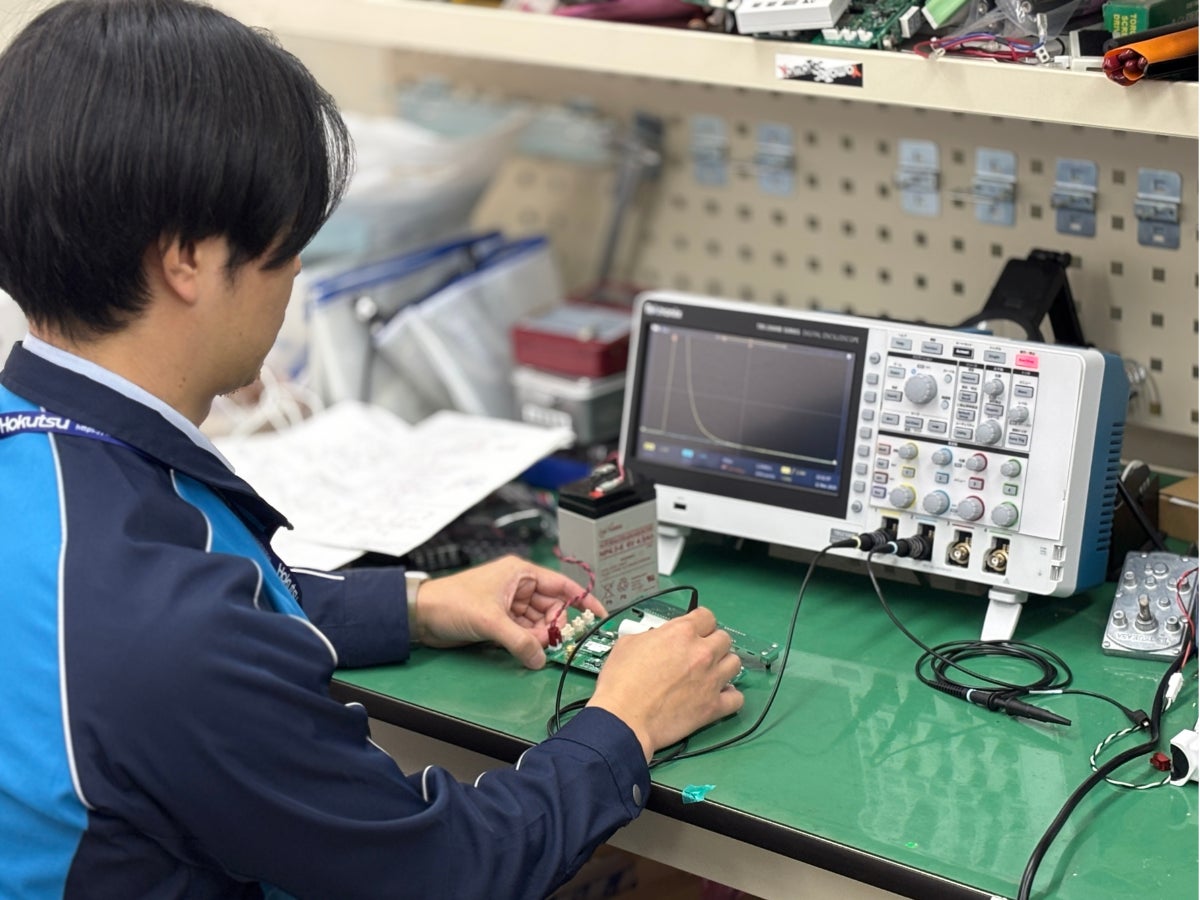
Developer's Message
We are committed to listening carefully to the voices of the farmers who will actually use our system. We aim to develop a water management system that integrates legacy and cutting-edge technologies, making it accessible to as many people as possible in any field across Japan, thereby striving to solve the problems of agricultural labor shortages and increasing abandoned cultivated land.
*Part of the research and development is supported by the "Project for the Development and Supply of Smart Agriculture Technology" from the Bio-oriented Technology Research Advancement Institution.
Company Profile
【Hokutsu Co., Ltd.】
Established: June 1950
Representative Director and President: Nobuyuki Hayakawa
Capital: 78,000 thousand yen
Number of employees: 623 (541 male / 82 female) (as of July 31, 2025)
Business activities: Consulting, system planning, design, development, construction, maintenance of comprehensive weak current systems such as information and communication systems, fire and disaster prevention systems, audio-visual systems, municipal disaster prevention radio systems, monitoring and control systems, audio-visual educational equipment, security systems, rice paddy water management labor-saving systems, etc., sales of various information equipment, application development.
Headquarters: Kanazawa City, Ishikawa Prefecture
Branches: Kanazawa City, Ishikawa Prefecture; Toyama City, Toyama Prefecture; Fukui City, Fukui Prefecture; Yokohama City, Kanagawa Prefecture
For other branches and sales offices, please see the URL below.
Corporate Website: https://www.hokutsu.co.jp/
Mizumawari-kun Special Site: https://www.hokutsu.co.jp/agri/
*Information is as of the announcement date. Please note that the latest information may differ.
"April Dream" is a project by PR TIMES where companies announce dreams they wish to achieve on April 1st. We are seriously committed to realizing this dream.
FAQ
What problems does "Mizumawari-kun" solve?
It solves labor shortages, long working hours, regional disparities, and communication environment issues in rice paddy water management in mountainous regions, achieving labor savings and productivity improvements.
How does it contribute to the Noto Peninsula's recovery?
In the Noto region, which is experiencing depopulation due to the earthquake and heavy rains, it supports the resolution of abandoned farmland issues and the continuation of farming, contributing to the revitalization of local agriculture.
What are the main technical features of "Mizumawari-kun"?
Based on IoT and communication technology, its wireless unit, standalone function, and hop function enable stable water management even in areas with poor communication environments.