The Key to Eliminating Prejudice Against Disabilities Was "Experience"—A "New Social Model Through Dance" Involving Government, Corporations, and Education Begins
Fairy Entertainment launches a new social model using dance to eliminate prejudice against disabilities, involving government, corporations, and education.
📋 Article Processing Timeline
- 📰 Published: April 1, 2026 at 20:00
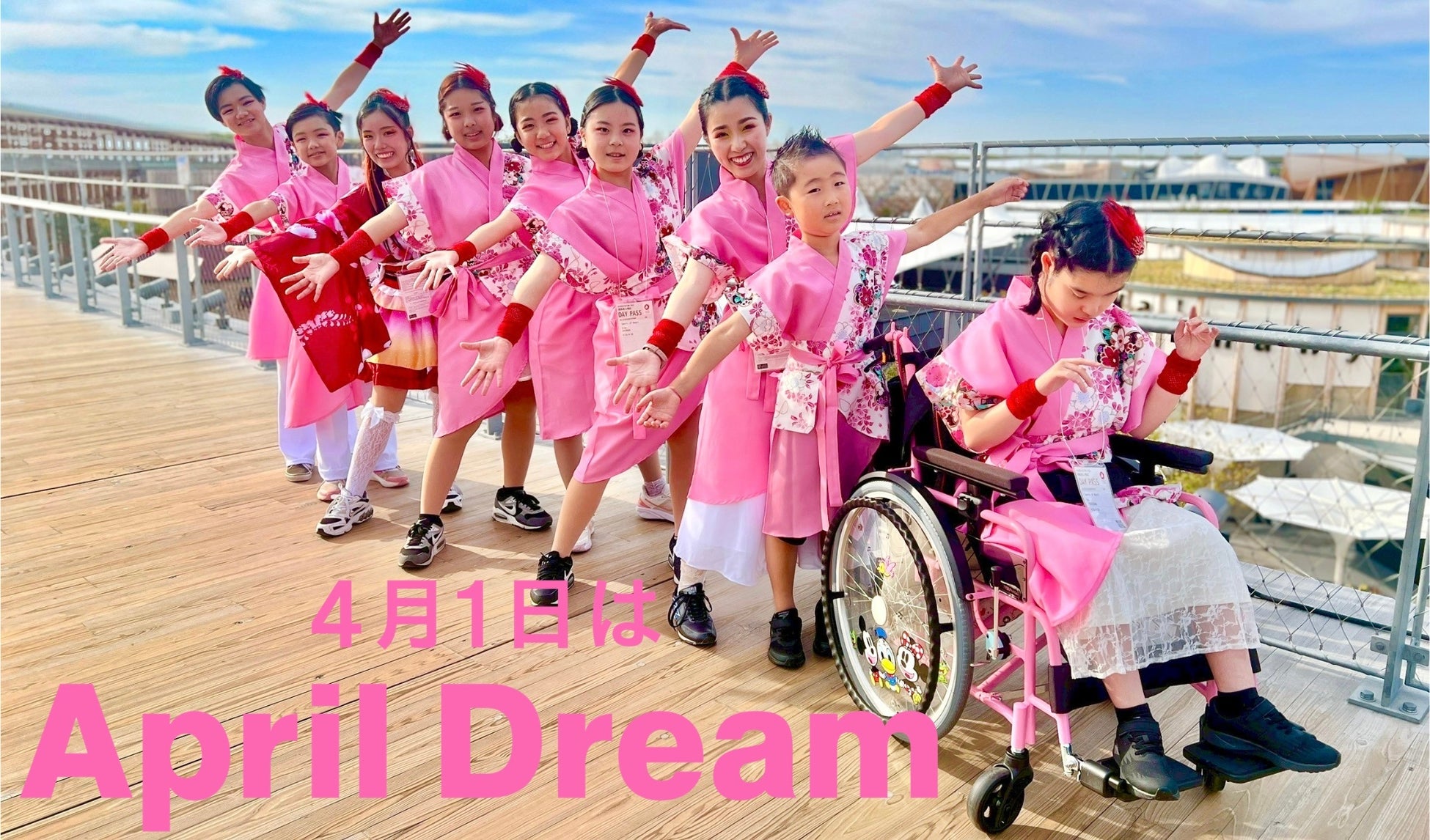
Our company endorses April Dream, an initiative to make April 1st a day for announcing dreams. This press release is the dream of "Fairy Entertainment (Location: Tokyo)."
Our dream is to create a society where discrimination and prejudice related to disabilities are eliminated, and "differences" become new values instead of barriers.
Dance has the power to connect people beyond words and positions.
Believing in that power, we continue to create opportunities for people with and without disabilities, siblings of disabled individuals, young people, and adults to get to know and accept each other through dance.
By naturally bringing diverse people together to meet and interact, we eliminate "misunderstandings and prejudices born from not knowing," and promote a society that respects diversity. Currently, we are already creating "natural places of coexistence" within society, centered on inclusive activities where people perform together regardless of the presence or absence of disabilities.
Ultimately, our goal is for everyone, regardless of disability, to laugh together, work together, and live together.
Beyond a relationship of giving and receiving support, we aim for a society where each individual has their own role and value, and can shine.
We are committed to realizing that future with the power of entertainment.
■Current Initiatives (Practices towards the Dream)
To achieve this dream, we are already undertaking the following activities:
■Implementation of Inclusive Performances
Regardless of the presence or absence of disabilities, all members stand on the same stage and perform together.
Instead of focusing on "can do or cannot do," we continuously create new forms of expression centered on "how we can do it together."
■Initiatives in the Welfare Sector in Collaboration with Government
In collaboration with administrative bodies, we conduct visiting dance lessons called "Happy★Dance" at welfare facilities.
The aim is to promote the physical and mental health of children and adults with disabilities, support the shortage of care staff (reducing the burden of recreation, enriching daytime activities), and improve the quality of local welfare services, by directly engaging with the facilities.
■Diversity & Inclusion Training for Corporations
We provide "experiential" training for corporations to learn about diversity understanding.
In addition to lectures, through dance and improvisation work, we encourage a shift from "understanding diversity intellectually" to "understanding diversity experientially," leading to the promotion of DE&I within organizations, improved communication, and updated values.
■Approach to School Education
We conduct classes on the theme of diversity understanding in schools.
By fostering "the ability to accept differences" and "the ability to collaborate with others" in children from an early age, we aim to change society itself in the future.
■Message
Our dream is not an "ideal" but a "project already in motion as a reality."
Therefore, to further spread this initiative to society and evolve it into a greater impact, we strongly seek collaboration with media, corporations, and local governments.
FAQ
What is "April Dream"?
It's an initiative where companies and individuals release press releases about their dreams on April 1st, designated as "the day to announce dreams."
What are the effects of "Happy Dance"?
It promotes the physical and mental health of children and adults with disabilities, reduces the recreational burden on care staff, and improves the quality of local welfare services.
What exactly is done in corporate training?
In addition to lectures, participants experience diversity through dance and improvisation work, fostering understanding not just intellectually but physically, thereby promoting D&I within organizations.