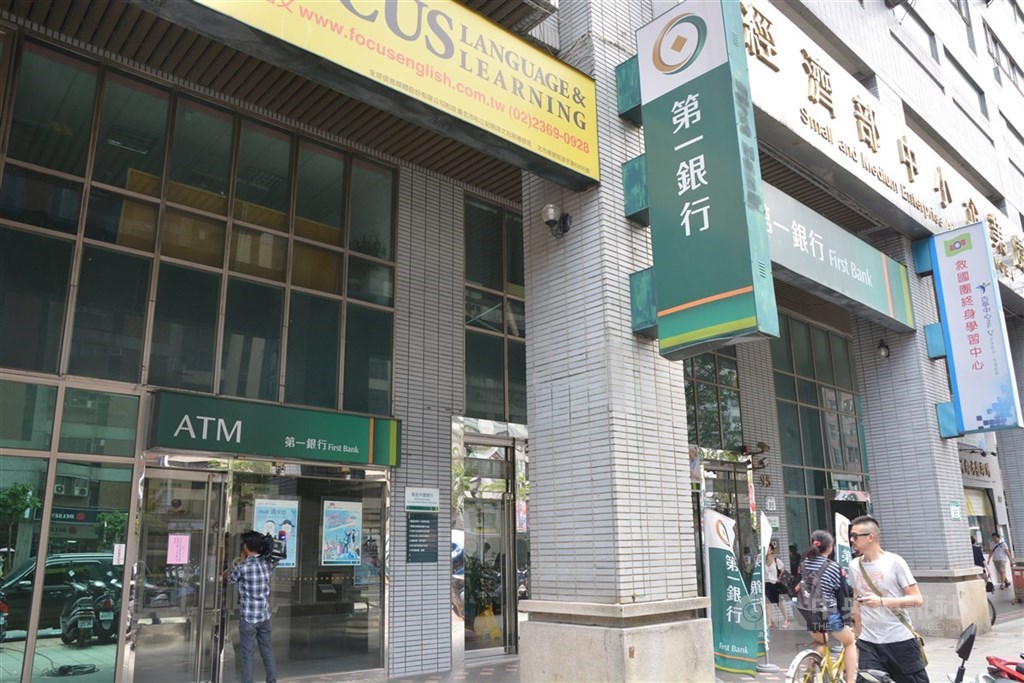
First FHC: No 'Public-Private Merger' Planned; 4-in-1 State-Owned Trust Merger Under Review
Following the Ministry of Finance's evaluation of a "public-private merger," market rumors suggested First Financial Holding (FHC) would be a pioneer, causing its stock to plummet on May 20 with a trading volume exceeding 170,000 lots. First FHC issued a statement denying any current plans for such a merger and noted that the ongoing review of a 4-in-1 merger of state-owned investment trusts would have a minimal impact, as the trust business accounts for less than 1.5% of its assets and profits. Meanwhile, in the legislature, discussions also covered the board election of International Bills Finance Corp. and the future of the "New Youth Peace of Mind" mortgage program.
📋 Article Processing Timeline
- 📰 Published: May 20, 2026 at 15:20
- 🔍 Collected: May 20, 2026 at 16:02 (42 min after Published)
- 🤖 AI Analyzed: May 20, 2026 at 21:26 (5h 24m after Collected)
The Ministry of Finance is evaluating the promotion of "public-private mergers," and market rumors have suggested that First Financial Holding (FHC) might be the first to act. Coupled with the ongoing progress of a four-in-one merger of state-owned investment trusts, First FHC became a market focus on the 20th, with its trading volume surging to over 170,000 lots. First FHC issued a statement emphasizing that there are currently no plans for a financial public-private merger. The consolidation of state-owned investment trusts is still under review, and since the asset and profit contributions from the trust business are both below 1.5%, the impact on the company is minimal.
With the market focused on financial consolidation, First FHC's stock price declined from the opening today, closing down 4.31%. Its trading volume exploded to 170,000 lots, ranking 5th among listed stocks.
First FHC released a statement at noon, stating that regarding media reports on a financial public-private merger, there are currently no such plans. As for the merger case involving the investment trust subsidiaries of four state-owned financial holding companies (First Securities Investment Trust, Mega Securities Investment Trust, Taiwan Cooperative Securities Investment Trust, and Hua Nan Fubon Securities Investment Trust), it is still under review. However, the investment trust business, whether by assets or profit, accounts for less than 1.5% of the holding company's total, making the impact on the company negligible.
First FHC stated that its net profit after tax in April was nearly NT$3.2 billion. The cumulative net profit for the year has reached NT$11.4 billion, a year-on-year increase of 23.3%, with earnings per share (EPS) at NT$0.79. Both the monthly and cumulative figures set new historical highs.
During a session of the Legislative Yuan's Finance Committee this morning, KMT Legislator Lo Ming-tsai also raised concerns about the progress of the state-owned investment trust consolidation. Finance Minister Chuang Tsui-yun explained that the main purpose of merging the four companies is to expand their operational scale and enhance synergy.
DPP Legislator Kuo Kuo-wen inquired about the collection of proxy forms for the upcoming board election at International Bills Finance Corp. (IBFC). Minister Chuang stated that state-affiliated entities have currently collected 9% of the proxies.
Furthermore, as IBFC faces a board election on May 29, the market is also watching whether the state's control of IBFC's management is a warm-up for a "public-private merger." KMT Legislator Lai Shyh-bao asked if there was an intention to merge IBFC with Chang Hwa Bank. Chang Hwa Bank Chairman Hu Kuang-hwa responded that he had not received any such information and that it was purely media speculation. He added that Chang Hwa Bank is currently focused on internal growth and will evaluate any future possibilities as they arise.
Kuo Kuo-wen mentioned that if IBFC moves towards "state-control," two models could follow. The first, from a scale perspective, would be to merge with Taiwan Cooperative Financial Holding or Mega Financial Holding to expand its size. The second, from a complementarity perspective, could be a merger with Chang Hwa Bank and Taiwan Business Bank to form another financial holding company.
Minister Chuang explained that the priority is to stabilize IBFC's management control and strengthen its corporate governance. How to make its scale more effective is a consideration for the next stage. Regarding legislators' concerns about the arrangement of positions such as vice-chairman, she reiterated that this must return to the company's internal governance.
Regarding legislative concern that the New Youth Peace of Mind mortgage policy will expire at the end of July, Minister Chuang mentioned that the Ministry of Finance expects to propose a follow-up policy by the end of June. In addition to discussions with state-owned banks, they have also invited the central bank, the Financial Supervisory Commission, and the Ministry of the Interior to discuss the implementation over the past three years and future approaches. Once a concrete plan is developed, it will be submitted to the Executive Yuan for approval and then announced to the public.
With the market focused on financial consolidation, First FHC's stock price declined from the opening today, closing down 4.31%. Its trading volume exploded to 170,000 lots, ranking 5th among listed stocks.
First FHC released a statement at noon, stating that regarding media reports on a financial public-private merger, there are currently no such plans. As for the merger case involving the investment trust subsidiaries of four state-owned financial holding companies (First Securities Investment Trust, Mega Securities Investment Trust, Taiwan Cooperative Securities Investment Trust, and Hua Nan Fubon Securities Investment Trust), it is still under review. However, the investment trust business, whether by assets or profit, accounts for less than 1.5% of the holding company's total, making the impact on the company negligible.
First FHC stated that its net profit after tax in April was nearly NT$3.2 billion. The cumulative net profit for the year has reached NT$11.4 billion, a year-on-year increase of 23.3%, with earnings per share (EPS) at NT$0.79. Both the monthly and cumulative figures set new historical highs.
During a session of the Legislative Yuan's Finance Committee this morning, KMT Legislator Lo Ming-tsai also raised concerns about the progress of the state-owned investment trust consolidation. Finance Minister Chuang Tsui-yun explained that the main purpose of merging the four companies is to expand their operational scale and enhance synergy.
DPP Legislator Kuo Kuo-wen inquired about the collection of proxy forms for the upcoming board election at International Bills Finance Corp. (IBFC). Minister Chuang stated that state-affiliated entities have currently collected 9% of the proxies.
Furthermore, as IBFC faces a board election on May 29, the market is also watching whether the state's control of IBFC's management is a warm-up for a "public-private merger." KMT Legislator Lai Shyh-bao asked if there was an intention to merge IBFC with Chang Hwa Bank. Chang Hwa Bank Chairman Hu Kuang-hwa responded that he had not received any such information and that it was purely media speculation. He added that Chang Hwa Bank is currently focused on internal growth and will evaluate any future possibilities as they arise.
Kuo Kuo-wen mentioned that if IBFC moves towards "state-control," two models could follow. The first, from a scale perspective, would be to merge with Taiwan Cooperative Financial Holding or Mega Financial Holding to expand its size. The second, from a complementarity perspective, could be a merger with Chang Hwa Bank and Taiwan Business Bank to form another financial holding company.
Minister Chuang explained that the priority is to stabilize IBFC's management control and strengthen its corporate governance. How to make its scale more effective is a consideration for the next stage. Regarding legislators' concerns about the arrangement of positions such as vice-chairman, she reiterated that this must return to the company's internal governance.
Regarding legislative concern that the New Youth Peace of Mind mortgage policy will expire at the end of July, Minister Chuang mentioned that the Ministry of Finance expects to propose a follow-up policy by the end of June. In addition to discussions with state-owned banks, they have also invited the central bank, the Financial Supervisory Commission, and the Ministry of the Interior to discuss the implementation over the past three years and future approaches. Once a concrete plan is developed, it will be submitted to the Executive Yuan for approval and then announced to the public.