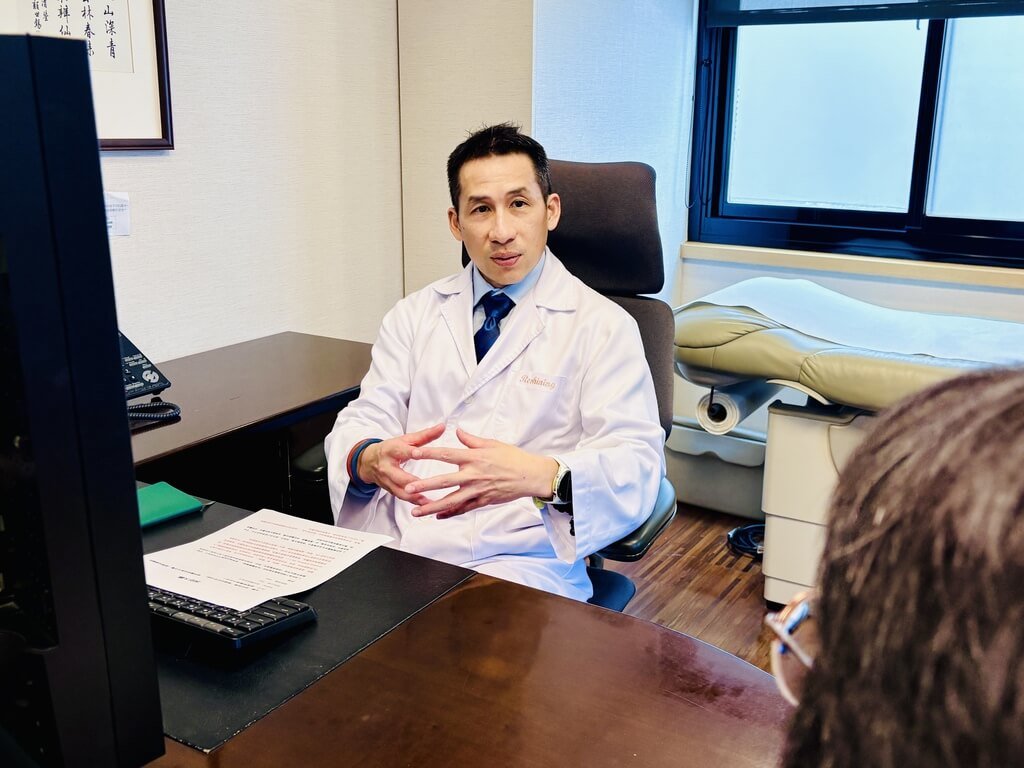
(CNA reporter Chen Chieh-ling, Taipei, 20th) A 50-year-old woman with breast cancer recently fractured her lumbar spine just by exerting force to move a scooter parked on the roadside. It was only after being sent to the hospital for an examination that she discovered her bone density had long been declining due to anti-hormone drug therapy for breast cancer years ago, a problem that went unnoticed until the fracture. This breast cancer survivor's fracture story is not uncommon in Taiwan. Dr. Wu Kai-wen, Director of the Department of Osteoporosis and Bone Tumor at Far Eastern Memorial Hospital, stated in a press release today that there has been a significant increase in patients with bone loss issues following breast cancer treatment in recent years. Many patients only realize they have concomitant osteoporosis after suffering a fracture, a decrease in height, or developing a hunchback. According to the latest data from the Ministry of Health and Welfare, breast cancer remains the most common cancer among Taiwanese women, with a peak incidence between the ages of 45 and 69, and a trend towards younger onset in recent years. With advancements in treatment, more and more patients are returning to their families and workplaces post-surgery. Dr. Wu pointed out that the peak age groups for breast cancer and osteoporosis already tend to overlap. Dr. Wu further explained that postmenopausal women are also a high-risk group for osteoporosis. If they take common anti-hormone drugs during breast cancer treatment, the rate of bone loss can accelerate significantly. This is especially true for drugs like aromatase inhibitors (AIs), which drastically reduce estrogen levels in the body. Without hormonal protection, the rate of bone density decline can be more than twice that of women of the same age. Dr. Wu mentioned that research has found some osteoporosis drugs may have a protective effect against breast cancer bone metastasis. The treatment philosophy is now gradually shifting from purely anti-cancer to holistic post-treatment care. "A lot of mothers are incredibly stoic," he said. Many mistake back pain and stiff joints for fatigue from housework or simply aging, and do not easily associate the pain with bone loss. Breast cancer patients must face not only the cancer itself but also the maintenance of their bone mass, muscle strength, and long-term quality of life. Dr. Wu reminded that bone loss usually has no obvious symptoms in its early stages. However, once a fracture occurs, it has a significant impact on the mobility and life of middle-aged and elderly women. Therefore, early screening and early intervention remain the most crucial concepts. Dr. Wu said that in addition to osteoporosis drugs, the importance of exercise for breast cancer patients has been increasingly emphasized in recent years. "Bone and muscle actually influence each other," he noted. Studies have found that appropriate resistance and weight-bearing exercises are not only related to maintaining bone density but also help reduce fatigue, depression, and the risk of falls. (Editor: Lee Heng-shan) 11
FACT BOX
- Source: CNA (Central News Agency)
- Category: 社會