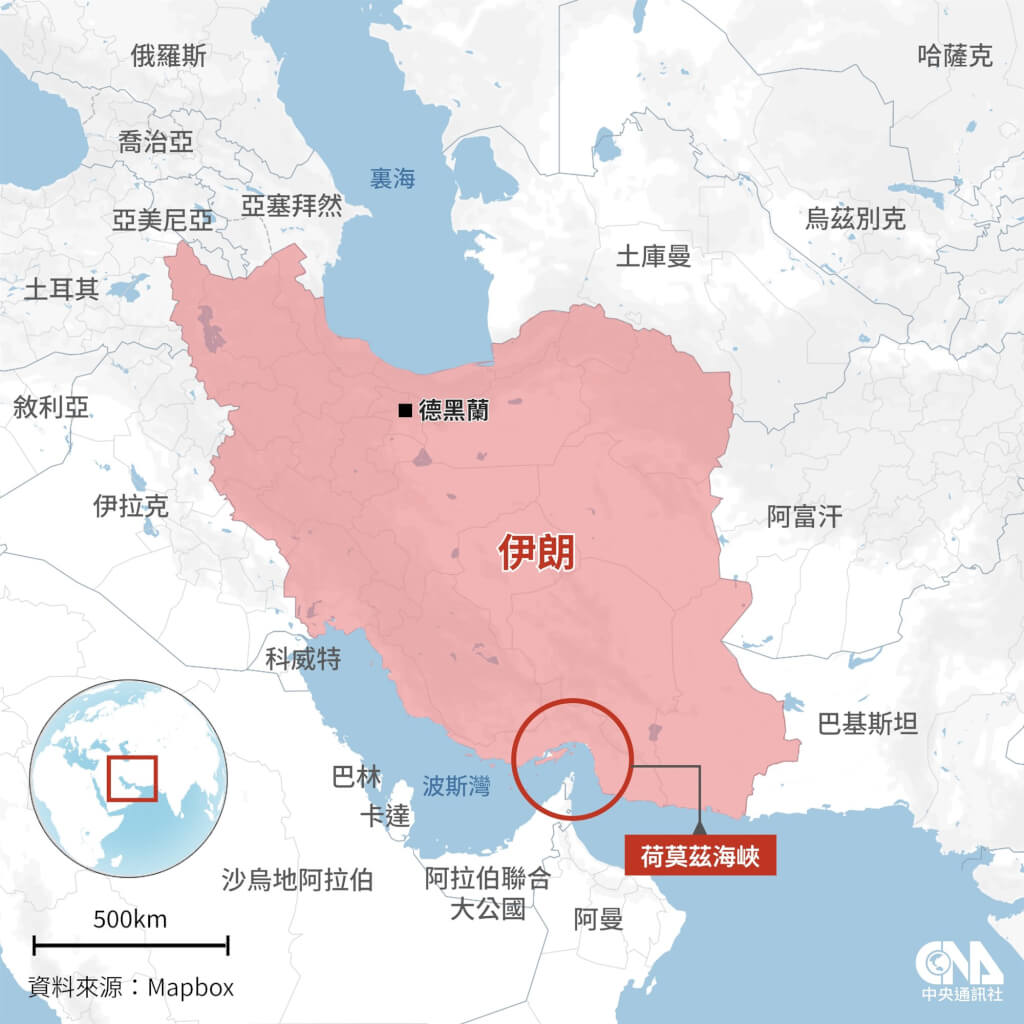
Trump's April 7 Ultimatum: Reopen Strait of Hormuz or Destroy Iran
President Trump issued an ultimatum to Iran, demanding the reopening of the Strait of Hormuz by 8 PM EDT on April 7, threatening to bomb Iranian infrastructure otherwise. Iran rejected a 45-day ceasefire proposal, insisting on a permanent end to the war, lifting sanctions, and collecting transit fees for the Strait. The EU warned that attacking civilian infrastructure would constitute a war crime, but US and Israeli officials maintained that such targets were legitimate.
📋 Article Processing Timeline
- 📰 Published: April 7, 2026 at 11:59
- 🔍 Collected: April 7, 2026 at 13:00 (1h 1m after Published)
- 🤖 AI Analyzed: April 15, 2026 at 12:28 (191h 27m after Collected)
Iran has rejected proposals from the United States and mediator Pakistan to reopen the Strait of Hormuz in exchange for a 45-day ceasefire, during which negotiations would aim for a comprehensive agreement to end the war. IRNA reported that Iran demands a permanent end to the war, not just a temporary ceasefire, meaning adversaries can no longer attack Iran or areas of Iranian interest like Lebanon. Iran also demands reconstruction payments, the lifting of US and international sanctions, and the collection of transit fees for the Strait of Hormuz.
Axios, citing unnamed Israeli officials, reported that Prime Minister Netanyahu hopes Trump will not sign a ceasefire agreement. The Wall Street Journal also quoted US officials saying Trump has little hope of reaching a deal with Iran privately and is expected to order an attack on the evening of the 7th.
Trump reiterated his ultimatum today, demanding Iran reopen the Strait of Hormuz by 8 PM EDT on the 7th (8 AM Taipei time on the 8th), or he would bomb Iranian infrastructure. "The entire country could be destroyed in one night, and that night could be tomorrow night," he said.
POLITICO reported that when asked if he wanted to end or escalate the conflict, Trump said, "I can't tell you, I don't know, it depends on what they do. This is a critical moment. They still have a little time, well, until 8 PM tomorrow night."
He added, "With the strength of our military, we can destroy every bridge in Iran, shut down all power plants, burn them, blow them up, and make them unusable forever by midnight tomorrow. I mean, if we want to, by midnight tomorrow it would be total destruction, and all of this can be done in 4 hours."
However, high-ranking EU officials warned that if Trump bombs power plants and bridges due to Iran's failure to reopen the Strait of Hormuz, it would constitute a war crime.
European Council President Antonio Costa stated, "Any attack on civilian infrastructure, especially energy facilities, is illegal and unacceptable. This applies to Russia's war in Ukraine and it applies everywhere. After five weeks of war in the Middle East, it is clear that only a diplomatic solution can address the root problems."
An Israeli official said they are waiting for Washington's approval to launch a fierce attack on Iranian energy facilities. Trump, in a Wall Street Journal interview on the 5th, also stated that the US is ready to attack all bridges and power plants in Iran, "causing damage that would take them 20 years to rebuild – if their country still exists."
Although outsiders have warned that attacking civilian infrastructure violates international law, US and Israeli officials have used the argument that these facilities produce supplies for the Iranian military, insisting they are legitimate targets.
The US and Israel have recently intensified attacks on non-energy targets in Iran, including striking Iran's largest steel and petrochemical factories, and a landmark bridge. The Wall Street Journal believes that attacking Iran's economic infrastructure would represent another escalation in the five-week-long conflict, and shifting targets to infrastructure could turn the conflict into an economic war of attrition.
The Iranian Revolutionary Guard Corps (IRGC) has threatened to retaliate by intensifying attacks on civilian infrastructure in Israel and Persian Gulf countries. Iran recently struck petrochemical facilities in Bahrain and Abu Dhabi, and oil, desalination, and power facilities in Kuwait. On the 5th, Iran also attacked the Neot Hovav industrial zone in southern Israel, and earlier, the largest refinery in Haifa Port, Israel, was hit by Iranian missile debris.
Raz Zimmt, director of the Iran program at the Institute for National Security Studies (INSS) in Tel Aviv, stated that Iran is prepared to endure further economic pain as long as it can continue to inflict harm on its enemies.
Robin Mills, CEO of Qamar Energy, a Dubai-based consultancy, pointed out that even if Iran relinquishes control of the Strait of Hormuz, the Persian Gulf region would still be unable to export products if petrochemical and other energy facilities are severely damaged.
Iran's economy has been severely impacted by Western sanctions for years. Some Iranians interviewed expressed concern that an expanded US bombing campaign would not overthrow the Iranian clerical regime but would only harm ordinary citizens. (Compiled by Chen Yi-wei) 1150407
Axios, citing unnamed Israeli officials, reported that Prime Minister Netanyahu hopes Trump will not sign a ceasefire agreement. The Wall Street Journal also quoted US officials saying Trump has little hope of reaching a deal with Iran privately and is expected to order an attack on the evening of the 7th.
Trump reiterated his ultimatum today, demanding Iran reopen the Strait of Hormuz by 8 PM EDT on the 7th (8 AM Taipei time on the 8th), or he would bomb Iranian infrastructure. "The entire country could be destroyed in one night, and that night could be tomorrow night," he said.
POLITICO reported that when asked if he wanted to end or escalate the conflict, Trump said, "I can't tell you, I don't know, it depends on what they do. This is a critical moment. They still have a little time, well, until 8 PM tomorrow night."
He added, "With the strength of our military, we can destroy every bridge in Iran, shut down all power plants, burn them, blow them up, and make them unusable forever by midnight tomorrow. I mean, if we want to, by midnight tomorrow it would be total destruction, and all of this can be done in 4 hours."
However, high-ranking EU officials warned that if Trump bombs power plants and bridges due to Iran's failure to reopen the Strait of Hormuz, it would constitute a war crime.
European Council President Antonio Costa stated, "Any attack on civilian infrastructure, especially energy facilities, is illegal and unacceptable. This applies to Russia's war in Ukraine and it applies everywhere. After five weeks of war in the Middle East, it is clear that only a diplomatic solution can address the root problems."
An Israeli official said they are waiting for Washington's approval to launch a fierce attack on Iranian energy facilities. Trump, in a Wall Street Journal interview on the 5th, also stated that the US is ready to attack all bridges and power plants in Iran, "causing damage that would take them 20 years to rebuild – if their country still exists."
Although outsiders have warned that attacking civilian infrastructure violates international law, US and Israeli officials have used the argument that these facilities produce supplies for the Iranian military, insisting they are legitimate targets.
The US and Israel have recently intensified attacks on non-energy targets in Iran, including striking Iran's largest steel and petrochemical factories, and a landmark bridge. The Wall Street Journal believes that attacking Iran's economic infrastructure would represent another escalation in the five-week-long conflict, and shifting targets to infrastructure could turn the conflict into an economic war of attrition.
The Iranian Revolutionary Guard Corps (IRGC) has threatened to retaliate by intensifying attacks on civilian infrastructure in Israel and Persian Gulf countries. Iran recently struck petrochemical facilities in Bahrain and Abu Dhabi, and oil, desalination, and power facilities in Kuwait. On the 5th, Iran also attacked the Neot Hovav industrial zone in southern Israel, and earlier, the largest refinery in Haifa Port, Israel, was hit by Iranian missile debris.
Raz Zimmt, director of the Iran program at the Institute for National Security Studies (INSS) in Tel Aviv, stated that Iran is prepared to endure further economic pain as long as it can continue to inflict harm on its enemies.
Robin Mills, CEO of Qamar Energy, a Dubai-based consultancy, pointed out that even if Iran relinquishes control of the Strait of Hormuz, the Persian Gulf region would still be unable to export products if petrochemical and other energy facilities are severely damaged.
Iran's economy has been severely impacted by Western sanctions for years. Some Iranians interviewed expressed concern that an expanded US bombing campaign would not overthrow the Iranian clerical regime but would only harm ordinary citizens. (Compiled by Chen Yi-wei) 1150407