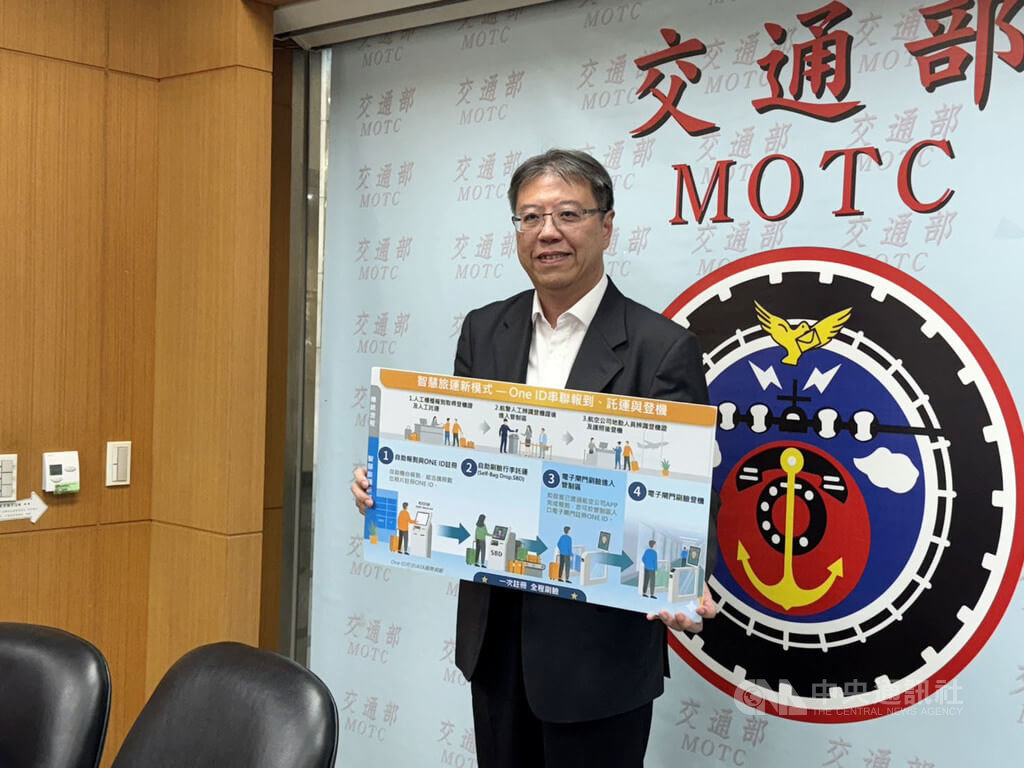
Songshan Airport Activates Facial Recognition Fast Pass, Japanese System Translation Corrected
Songshan Airport launched its One ID smart travel service in April, allowing passengers to use facial recognition for check-in, baggage drop, immigration, and boarding. This service is expected to save 30% of processing time and 20% of manpower, with a total cost of approximately NT$300 million over seven years. The Civil Aeronautics Administration confirmed that the Japanese translation in the system has been corrected, and passenger data is automatically deleted within 24 hours after flight departure, adhering to cybersecurity regulations.
📋 Article Processing Timeline
- 📰 Published: April 14, 2026 at 16:53
- 🔍 Collected: April 14, 2026 at 17:01 (8 min after Published)
- 🤖 AI Analyzed: April 14, 2026 at 17:34 (32 min after Collected)
Central News Agency (Taipei, April 14) -- Cheng Chien-chung, director of the Civil Aeronautics Administration's Taipei International Airport Office, stated today that Songshan Airport activated its One ID smart travel service in April. In the future, after passengers check in, they can use facial recognition for baggage drop, immigration, and boarding.
The International Civil Aviation Organization (ICAO) has been actively promoting biometric systems in recent years, and Songshan Airport has also begun building a "one-time registration, full-process facial recognition" service model.
Cheng Chien-chung, director of the Civil Aeronautics Administration's Taipei International Airport Office, stated at a regular press conference today that the One ID smart travel service was activated in March. After passengers complete biometric registration, they can quickly pass through various stages such as baggage drop, immigration, VIP lounges, and boarding via facial recognition.
Cheng Chien-chung pointed out that a total of 48 machines have been installed, including 18 self-check-in kiosks, 12 self-baggage drop machines, 6 electronic gates, and 12 gates (2 at each boarding gate).
Cheng Chien-chung stated that Songshan Airport's international passenger volume is approximately 2.8 million people annually. In the past, during peak hours for international flights at Songshan Airport, queuing took more than 10 minutes. The One ID smart travel service can save 30% of the time and 20% of manpower. The total cost over seven years is approximately NT$300 million, which will be shared by airlines.
Cheng Chien-chung said that the facial recognition success rate of the One ID smart travel service can reach 95%. Passengers, regardless of self-check-in or manual check-in, can use facial recognition from immigration onwards, unlike the current need to present boarding passes and passports for inspection. However, the immigration agency's passport inspection is not included.
Regarding registration methods, Cheng Chien-chung stated that passengers can register at check-in counters or self-check-in kiosks by reading their passport chip, converting the passport photo into an identification value, and binding it with their boarding pass to complete the facial registration process. After registration, the entire process until boarding can be completed via facial recognition. Passengers who have already checked in via airline apps can also register at the electronic gates at the restricted area entrance.
As for whether other airports will build similar systems in the future, Cheng Chien-chung said that the relevant results will be provided to other airports for reference, to be evaluated by each airport.
Cheng Chien-chung emphasized that to ensure the security of passengers' personal data, passenger information is only used for the boarding process and is automatically deleted within 24 hours after the flight departs, without long-term storage. At the same time, the system is built according to government cybersecurity regulations and has passed relevant security tests and protection mechanisms to ensure data security.
In addition, regarding the lack of honorifics in the Japanese translation of the facial recognition system, Cheng Chien-chung said that this part has been corrected. (Editor: Lung Po-an) 1150414
The International Civil Aviation Organization (ICAO) has been actively promoting biometric systems in recent years, and Songshan Airport has also begun building a "one-time registration, full-process facial recognition" service model.
Cheng Chien-chung, director of the Civil Aeronautics Administration's Taipei International Airport Office, stated at a regular press conference today that the One ID smart travel service was activated in March. After passengers complete biometric registration, they can quickly pass through various stages such as baggage drop, immigration, VIP lounges, and boarding via facial recognition.
Cheng Chien-chung pointed out that a total of 48 machines have been installed, including 18 self-check-in kiosks, 12 self-baggage drop machines, 6 electronic gates, and 12 gates (2 at each boarding gate).
Cheng Chien-chung stated that Songshan Airport's international passenger volume is approximately 2.8 million people annually. In the past, during peak hours for international flights at Songshan Airport, queuing took more than 10 minutes. The One ID smart travel service can save 30% of the time and 20% of manpower. The total cost over seven years is approximately NT$300 million, which will be shared by airlines.
Cheng Chien-chung said that the facial recognition success rate of the One ID smart travel service can reach 95%. Passengers, regardless of self-check-in or manual check-in, can use facial recognition from immigration onwards, unlike the current need to present boarding passes and passports for inspection. However, the immigration agency's passport inspection is not included.
Regarding registration methods, Cheng Chien-chung stated that passengers can register at check-in counters or self-check-in kiosks by reading their passport chip, converting the passport photo into an identification value, and binding it with their boarding pass to complete the facial registration process. After registration, the entire process until boarding can be completed via facial recognition. Passengers who have already checked in via airline apps can also register at the electronic gates at the restricted area entrance.
As for whether other airports will build similar systems in the future, Cheng Chien-chung said that the relevant results will be provided to other airports for reference, to be evaluated by each airport.
Cheng Chien-chung emphasized that to ensure the security of passengers' personal data, passenger information is only used for the boarding process and is automatically deleted within 24 hours after the flight departs, without long-term storage. At the same time, the system is built according to government cybersecurity regulations and has passed relevant security tests and protection mechanisms to ensure data security.
In addition, regarding the lack of honorifics in the Japanese translation of the facial recognition system, Cheng Chien-chung said that this part has been corrected. (Editor: Lung Po-an) 1150414
FAQ
When will Songshan Airport's facial recognition service be available?
Songshan Airport's facial recognition One ID smart travel service is available starting from April.
How much time can be saved with the facial recognition service?
This service is expected to save 30% of customs clearance time and 20% of manpower.