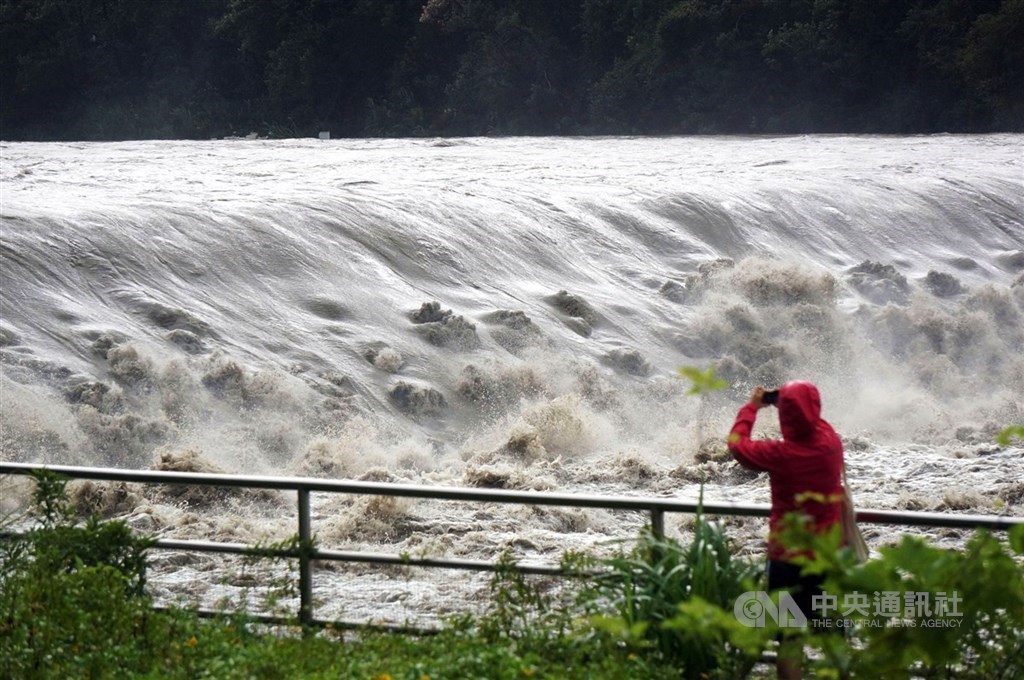
(CNA Reporter Tseng Chih-yi, Taipei, 16th) In response to the Taipei Feitsui Reservoir Administration's demand for a water consumption fee for releasing water for power generation, Taipower stated that releasing water for power generation from the reservoir is determined independently based on water supply needs. Taipower will not force extended power generation. If there is coordinated extended power generation, the tailwater can be stored in downstream dams, so there is no issue of waste. Furthermore, Taipower pays for the electricity, so it is not free.
Taipower further stated that the Feitsui Reservoir Administration's demand for a water consumption fee is clearly unreasonable, and Taipower has not agreed to sign the water consumption fee contract. However, the original power purchase agreement remains unaffected and valid.
Regarding the issue of the Feitsui Reservoir planning to collect power generation compensation, Lin Yu-yi, Commissioner of the Taipei Feitsui Reservoir Administration, stated today in a city council committee that they have officially sent letters to Taipower seven times so far. In October last year, the administration sent the "Taipower Company Application for Feitsui Hydroelectric Power Generation Extension Hours Water Consumption Compensation Contract," which stipulated that the water consumption compensation fee would be priced at NT$3 per ton (cubic meter). Taipower subsequently replied refusing to sign, and the Feitsui Reservoir will no longer support dispatching power supply.
In addition, Lin Yu-yi mentioned that the Feitsui Reservoir's hydroelectric power is expected to first obtain the Hydropower Sustainability Assessment (HSA) international certification. If it passes and obtains the certification, they will ask the Department of Economic Development for assistance in finding potential cooperative buyers, and then apply to obtain a green energy certificate. The budget has been allocated to cope with related expenses, and it has been included in the Taipei City Government's 2027 policy outline plan. Preparations will be made this year, it will be launched next year, and subsequent efforts will be directed towards this goal to increase revenue for the city treasury.
The Feitsui Power Plant is the largest single power source in Taipei City, with an installed capacity of about 70,000 kilowatts. In the past, large-scale conventional hydropower was not included in the green energy category due to ecological concerns. However, the Ministry of Economic Affairs amended the law last year, and Taipower's Dajia River Ma'an unit also received green power certificates this year. In the future, the Feitsui Reservoir Administration can also terminate its contract with Taipower and sell electricity to private businesses at current general green power market rates to obtain higher returns. (Editor: Chang Liang-chih) 1150416
FACT BOX
- Source: CNA (Central News Agency)
- Category: Taiwan