EU Plans to Raise Steel Tariffs, MOEA to Liaise Closely with Industry for Assistance
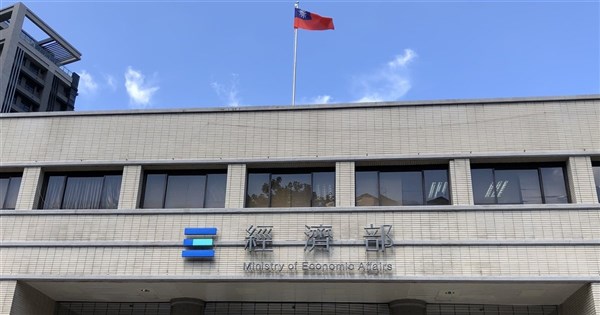
The EU plans to increase steel import tariffs to 50% and significantly cut duty-free quotas, prompting Taiwan's Ministry of Economic Affairs (MOEA) to monitor the situation closely. The MOEA stated that the relevant legislation is still pending formal adoption, and details of supporting measures are yet to be announced. It will liaise with domestic steel companies to provide assistance, as the actual impact on Taiwan's industry depends on the final quota design.
📋 Article Processing Timeline
- 📰 Published: April 14, 2026 at 20:40
- 🔍 Collected: April 14, 2026 at 21:01 (21 min after Published)
- 🤖 AI Analyzed: April 15, 2026 at 17:43 (20h 41m after Collected)
Taipei, April 14 (CNA) In response to the European Union's (EU) proposed plan to raise steel import tariffs to 50%, Taiwan's Ministry of Economic Affairs (MOEA) stated today that the relevant legislation is still awaiting formal adoption by the European Council and the European Parliament. Details regarding supporting measures remain unannounced, and the extent of the subsequent impact on Taiwan's industry will depend on the EU's final quota design. The MOEA emphasized that it will closely monitor future developments and maintain close contact with domestic steel companies to provide timely assistance.
According to foreign reports, EU legislative bodies and national governments recently agreed to increase steel import tariffs to 50% and drastically cut duty-free steel quotas by 47%. This move aims to protect EU steel industries from cheap competition, particularly from steel flooding the market from countries like China.
The MOEA explained that since 2019, the European Commission has implemented global safeguard measures on 26 categories of steel products, applicable to steel from all countries. Among these, Taiwan's main seven categories of steel exported to the EU received national quotas, with a 0% tariff within the quota and a 25% tariff outside the quota. These measures are set to expire on June 30, 2026.
Regarding the rumored adjustment of measures, the MOEA noted that the European Commission had already proposed a draft for a new round of steel tariff quota system last year. This draft aims to limit the total annual quota to 18.3 million tons and raise the out-of-quota tariff to 50% to address the global steel overcapacity issue. However, this bill still requires formal adoption by the European Council and the European Parliament before it can officially take effect.
The MOEA stated that since the relevant supporting measures, national quota allocation methods, and applicable details have not yet been announced, the future implementation content remains uncertain. It will continue to track progress and maintain close contact with domestic industry players.
In terms of impact assessment, the MOEA pointed out that Taiwan's steel exports to the EU have shown a downward trend in recent years, with export values of US$4.153 billion, US$4.09 billion, and US$3.237 billion in 2023, 2024, and 2025, respectively. Export volumes were 3.065 million metric tons, 2.985 million metric tons, and 2.189 million metric tons. Taiwan is currently the EU's seventh-largest source of steel imports.
The MOEA stated that if the new measures are implemented, the reduction in total quotas and the increase in out-of-quota tariffs might lower the willingness of EU importers to procure from external sources, thereby affecting Taiwan's steel exports. However, since the final quota design is still undecided, the actual impact on Taiwanese companies remains to be seen, and further assessment will be made based on the EU's policy details. (Edited by Lin Shu-yuan) 1150414
According to foreign reports, EU legislative bodies and national governments recently agreed to increase steel import tariffs to 50% and drastically cut duty-free steel quotas by 47%. This move aims to protect EU steel industries from cheap competition, particularly from steel flooding the market from countries like China.
The MOEA explained that since 2019, the European Commission has implemented global safeguard measures on 26 categories of steel products, applicable to steel from all countries. Among these, Taiwan's main seven categories of steel exported to the EU received national quotas, with a 0% tariff within the quota and a 25% tariff outside the quota. These measures are set to expire on June 30, 2026.
Regarding the rumored adjustment of measures, the MOEA noted that the European Commission had already proposed a draft for a new round of steel tariff quota system last year. This draft aims to limit the total annual quota to 18.3 million tons and raise the out-of-quota tariff to 50% to address the global steel overcapacity issue. However, this bill still requires formal adoption by the European Council and the European Parliament before it can officially take effect.
The MOEA stated that since the relevant supporting measures, national quota allocation methods, and applicable details have not yet been announced, the future implementation content remains uncertain. It will continue to track progress and maintain close contact with domestic industry players.
In terms of impact assessment, the MOEA pointed out that Taiwan's steel exports to the EU have shown a downward trend in recent years, with export values of US$4.153 billion, US$4.09 billion, and US$3.237 billion in 2023, 2024, and 2025, respectively. Export volumes were 3.065 million metric tons, 2.985 million metric tons, and 2.189 million metric tons. Taiwan is currently the EU's seventh-largest source of steel imports.
The MOEA stated that if the new measures are implemented, the reduction in total quotas and the increase in out-of-quota tariffs might lower the willingness of EU importers to procure from external sources, thereby affecting Taiwan's steel exports. However, since the final quota design is still undecided, the actual impact on Taiwanese companies remains to be seen, and further assessment will be made based on the EU's policy details. (Edited by Lin Shu-yuan) 1150414
FAQ
How much does the EU plan to raise steel import tariffs?
The EU plans to raise steel import tariffs to 50%.
What kind of assistance will the MOEA provide to Taiwanese steel companies?
The MOEA will maintain close contact with domestic steel companies and provide timely assistance.