Cardiovascular Malformation Causing Heart Discomfort Successfully Repaired by Catheter Embolization Surgery
A 51-year-old man was diagnosed with a rare cardiovascular malformation, a "giant congenital coronary artery fistula," at Dalin Tzu Chi Hospital and was successfully treated with a cardiac catheter embolization procedure. This minimally invasive surgery allowed the patient to regain normal heart function in just two hours.
📋 Article Processing Timeline
- 📰 Published: April 13, 2026 at 13:17
- 🔍 Collected: April 13, 2026 at 13:31 (13 min after Published)
- 🤖 AI Analyzed: April 13, 2026 at 15:13 (1h 41m after Collected)
Central News Agency, Chiayi County, April 13 (Reporter Tsai Chih-ming) - After undergoing an electrophysiology study and ablation for arrhythmia, Mr. Su continued to have a heart murmur. Cardiologists at Dalin Tzu Chi Hospital diagnosed him with a "giant congenital coronary artery fistula," a type of cardiovascular malformation. He recently underwent a cardiac catheter embolization procedure, which gave him a new lease on 'heart' life in just two hours.
Dalin Tzu Chi Hospital issued a press release today stating that the 51-year-old Mr. Su had been troubled by an abnormal heartbeat for many years. A health check-up revealed a heart murmur. Due to frequent episodes of arrhythmia, he underwent an ablation procedure which significantly improved the arrhythmia, but the heart murmur persisted, and his physical fitness declined with age.
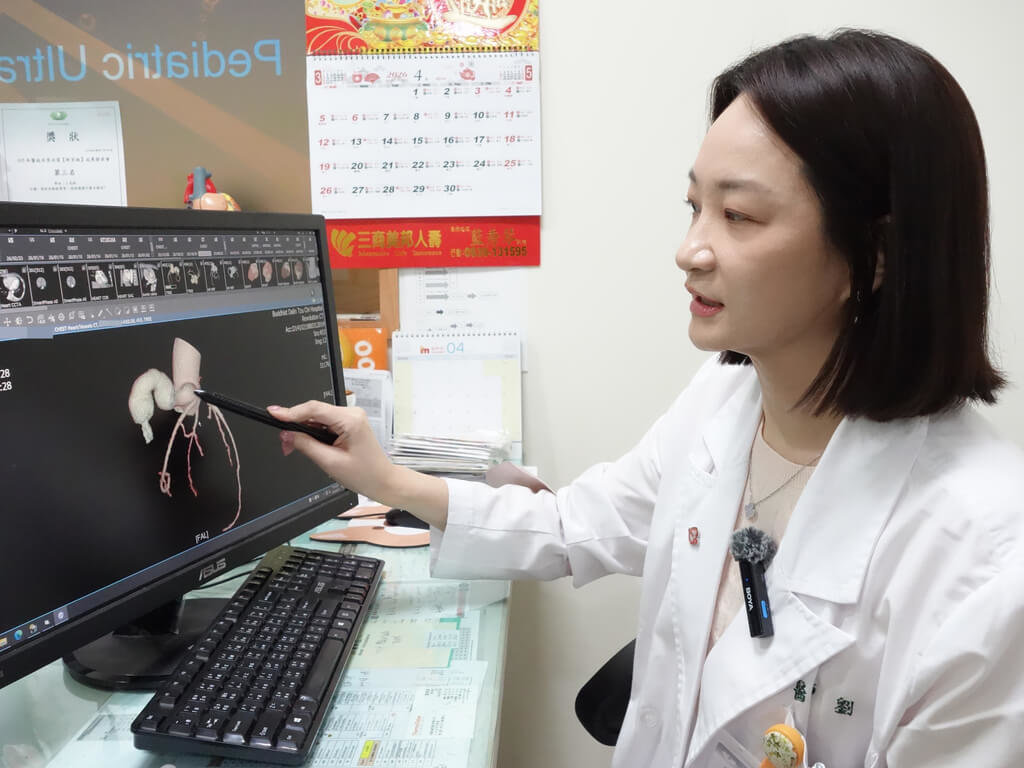
Recently, Mr. Su sought treatment at Dalin Tzu Chi Hospital. A joint team from the pediatric cardiology and cardiology departments diagnosed him with a rare "giant congenital coronary artery fistula combined with a large aneurysm." Under the collaboration of cardiologist Dr. Li Yi-ta and pediatric cardiologist Dr. Liu Wei-li, the fistula was successfully blocked using a catheter embolization procedure, giving him a new 'heart' life within two hours.
Dr. Liu Wei-li stated that on the day of the surgery, the patient remained awake under local anesthesia. After the embolization device was placed during the procedure, the sealing effect was excellent. Coronary angiography showed that the fistula was completely blocked with no abnormal blood flow. The patient entered the catheterization lab at 2 PM and the surgery was completed before 4 PM. He has now been discharged and has returned to his normal life.
Dr. Liu explained that the coronary arteries are responsible for supplying oxygen to the heart muscle. However, in the patient's case, an abnormal vessel (fistula) grew from the coronary artery and connected directly to a heart chamber or a large blood vessel, forming a "secret passage" that should not exist, thus causing the patient's discomfort.
Dr. Liu pointed out that this fistula "steals" the blood that should flow to the heart muscle to provide nutrients, which can lead to myocardial ischemia, an enlarged heart, heart failure, and even the formation of aneurysms, increasing the risk of other complications.
Dr. Liu emphasized that coronary artery fistulas often have no symptoms initially. If a doctor tells you that you have a heart murmur, or if you experience unexplained chest tightness, chest pain, palpitations, or an irregular heartbeat, you should seek medical examination as soon as possible. If you have a known coronary artery fistula, even if it is small and asymptomatic and a doctor has assessed that surgery is not immediately necessary, you should still have regular follow-ups. (Editor: Chang Ming-kun) 1150413
Dalin Tzu Chi Hospital issued a press release today stating that the 51-year-old Mr. Su had been troubled by an abnormal heartbeat for many years. A health check-up revealed a heart murmur. Due to frequent episodes of arrhythmia, he underwent an ablation procedure which significantly improved the arrhythmia, but the heart murmur persisted, and his physical fitness declined with age.
Recently, Mr. Su sought treatment at Dalin Tzu Chi Hospital. A joint team from the pediatric cardiology and cardiology departments diagnosed him with a rare "giant congenital coronary artery fistula combined with a large aneurysm." Under the collaboration of cardiologist Dr. Li Yi-ta and pediatric cardiologist Dr. Liu Wei-li, the fistula was successfully blocked using a catheter embolization procedure, giving him a new 'heart' life within two hours.
Dr. Liu Wei-li stated that on the day of the surgery, the patient remained awake under local anesthesia. After the embolization device was placed during the procedure, the sealing effect was excellent. Coronary angiography showed that the fistula was completely blocked with no abnormal blood flow. The patient entered the catheterization lab at 2 PM and the surgery was completed before 4 PM. He has now been discharged and has returned to his normal life.
Dr. Liu explained that the coronary arteries are responsible for supplying oxygen to the heart muscle. However, in the patient's case, an abnormal vessel (fistula) grew from the coronary artery and connected directly to a heart chamber or a large blood vessel, forming a "secret passage" that should not exist, thus causing the patient's discomfort.
Dr. Liu pointed out that this fistula "steals" the blood that should flow to the heart muscle to provide nutrients, which can lead to myocardial ischemia, an enlarged heart, heart failure, and even the formation of aneurysms, increasing the risk of other complications.
Dr. Liu emphasized that coronary artery fistulas often have no symptoms initially. If a doctor tells you that you have a heart murmur, or if you experience unexplained chest tightness, chest pain, palpitations, or an irregular heartbeat, you should seek medical examination as soon as possible. If you have a known coronary artery fistula, even if it is small and asymptomatic and a doctor has assessed that surgery is not immediately necessary, you should still have regular follow-ups. (Editor: Chang Ming-kun) 1150413