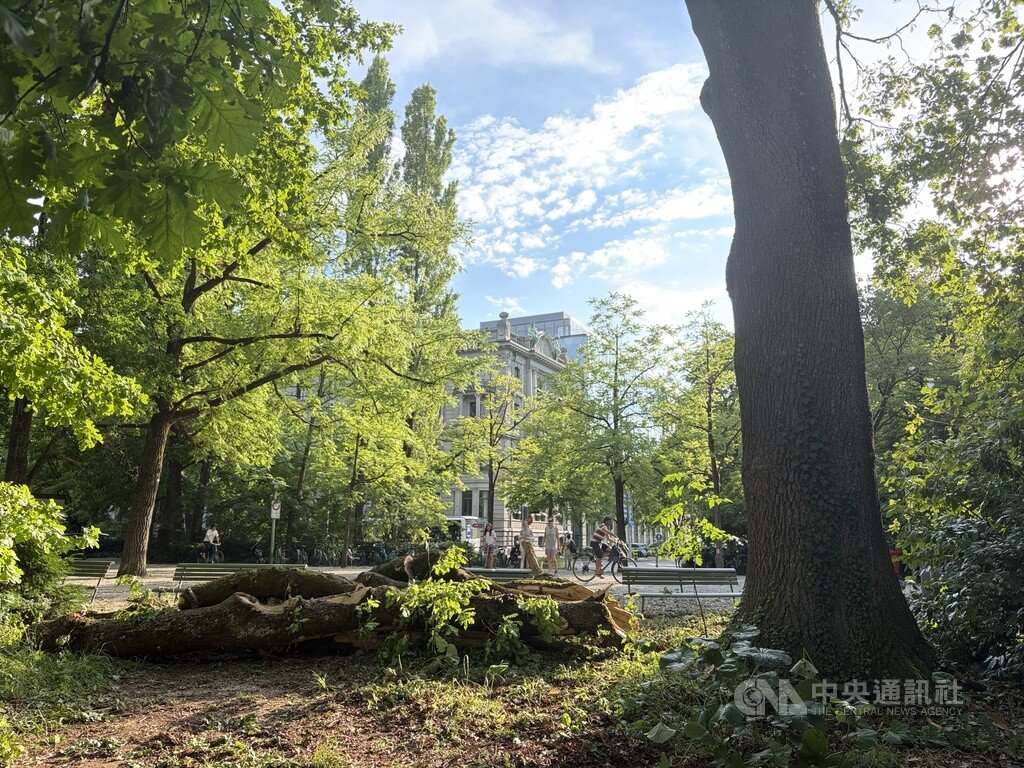
On the evening of June 19, Zurich Canton in Switzerland was struck by a powerful thunderstorm lasting approximately two hours. Within two hours, rainfall reached half of June's average monthly total, causing urban flooding, tree collapses, and damage to transportation infrastructure. Emergency services received over 900 distress calls, with around 730 fire truck deployments and 130 ambulance missions dispatched.
Tram services were temporarily disrupted, and major railway stations experienced flooding. Several elevators and escalators stopped operating due to water submersion, with underground stations and shops also affected by flooding. Some power systems and refrigeration equipment were paralyzed, though train operations remained unaffected.
The Swiss Meteorological Service had issued the highest-level alert via its app earlier that day, warning the public of possible severe thunderstorms.
The Zurich Building Insurance Company (GVZ) preliminarily estimated that the natural disaster caused at least 1 million Swiss francs in damages, with the final amount subject to further assessment.
The storm also resulted in casualties. A 16-year-old girl was struck by a broken branch during the storm and passed away on June 21 due to her injuries.
Andreas Asch, a Swiss meteorological expert, told the Neue Zürcher Zeitung (NZZ) that the maximum wind speed on the 19th was approximately 70 km/h, which does not qualify as a major storm—Switzerland's historical record includes wind speeds up to 190 km/h. He noted that the primary reason for the extensive damage was the storm's occurrence in the densely populated urban area of Zurich. Had it occurred in a sparsely populated region, the impact would have been significantly reduced.
A reporter visiting the lakeside disaster area observed that many old trees were severely damaged, with large branches broken off by strong winds. When falling, these branches were large enough to cause serious injuries or property damage.
Local residents told Central News Agency that victims of extreme weather are not only humans but also trees. 'We should take meteorological warnings more seriously, evacuate early, and never underestimate summer thunderstorms,' they said. (Edited by Tang Sheng-Yang)
FACT BOX
- Source: CNA (Central News Agency)
- Category: Taiwan