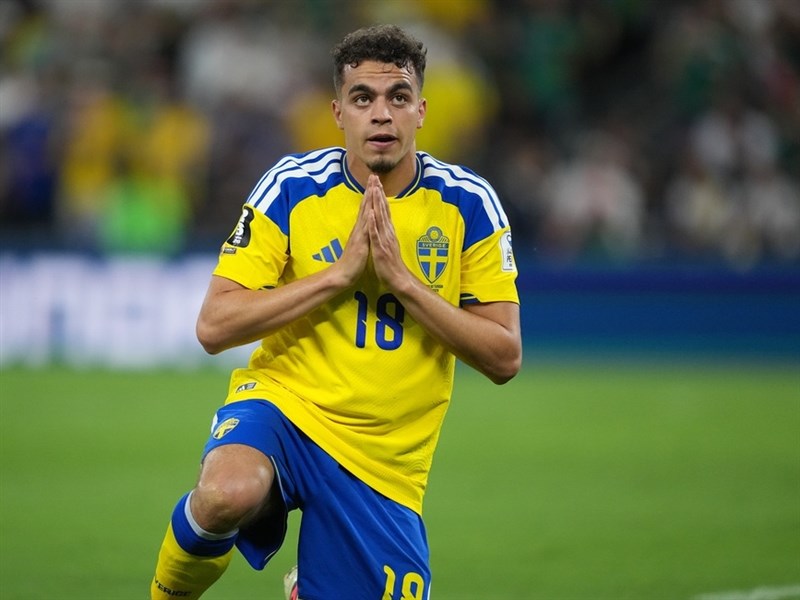
The 2026 World Cup highlights a significant trend: the rise of players with diverse national origins. Brighton midfielder Yasin Ayari, who scored in his World Cup debut, refrained from celebrating to show respect for his father's homeland, Tunisia, a sentiment increasingly common as players navigate multi-national identities.
● Nearly 1/4 of Players Born Abroad FIFA regulations allow players under 21 with fewer than three senior appearances to switch allegiances, facilitating this demographic shift. Among the 1,248 players in the 2026 tournament, nearly one-quarter represent countries other than their place of birth. Morocco, which made history with a starting lineup entirely consisting of foreign-born players against Brazil, remains a prominent example of this global recruitment strategy.
● A Melting Pot of Talent International squads are increasingly utilizing their diasporas to boost competitiveness. Curacao, with only 160,000 residents, features 25 players born in the Netherlands. Meanwhile, the tournament showcases unique sibling rivalries: the Doue brothers play for France and Ivory Coast, respectively, while the Williams brothers are split between Spain and Ghana. Players like Jamal Musiala (Germany) and Michael Olise (France) exemplify the complexity of dual or multi-national heritage, with Olise noting that his four cultural backgrounds have collectively enriched his perspective.
FACT BOX
- Source: CNA (Central News Agency)
- Category: sports