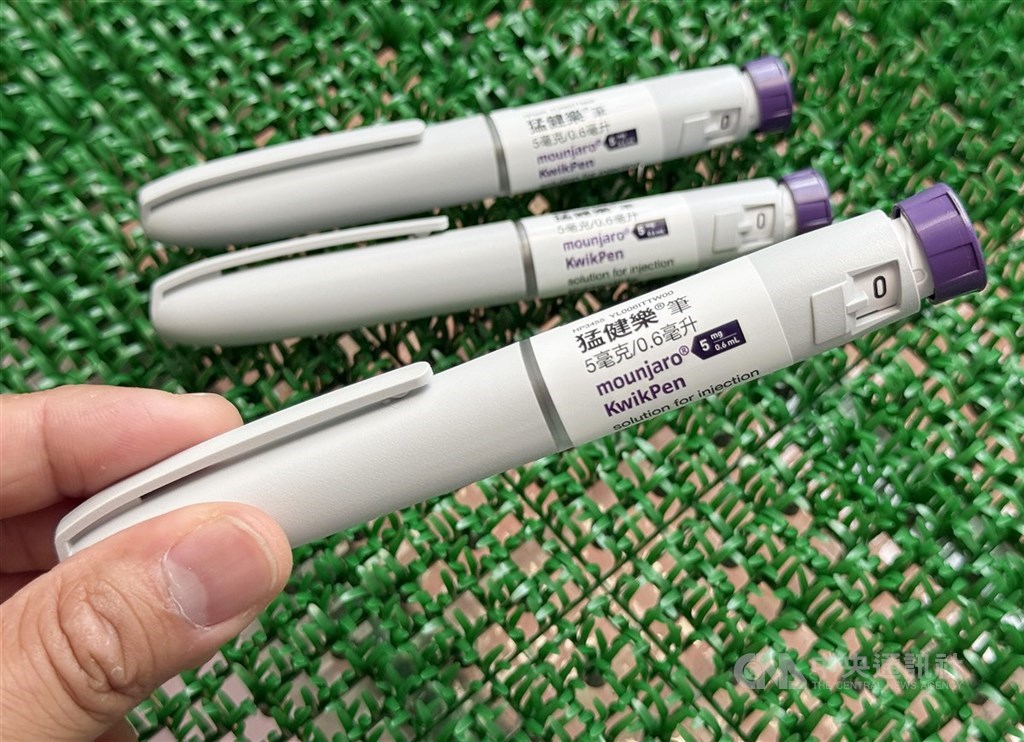
The Taiwan Food and Drug Administration (TFDA) is currently in discussions with the Customs Administration to evaluate making GLP-1 weight-loss injections subject to mandatory declaration upon entry, or designating them as high-priority items for border inspection. This move follows legislative concerns regarding the surge in illegal imports and the unregulated online sale of these prescription-only medications.
Currently, three GLP-1 receptor agonists are approved in Taiwan for weight control: tirzepatide, semaglutide, and liraglutide. These are strictly prescription drugs that require professional medical assessment and proper dispensing by pharmacists. Lawmakers have expressed concern over the risks posed by illegal online procurement, cross-border grey-market imports, and clinics dispensing medication without prescriptions.
TFDA Deputy Director-General Wang Te-yuan stated that the agency is reviewing the legal framework and operational feasibility of mandatory border declarations. Furthermore, the TFDA is drafting amendments to the Pharmaceutical Affairs Act to increase the liability of online platforms for illegal sales. If caught, platforms will be required to remove illegal listings within a specific timeframe and provide user data for investigation.
Under current regulations, travelers may carry medication for personal use within reasonable quantities prescribed by a physician, capped at a six-month supply. Failure to comply with future mandatory declaration rules could lead to confiscation or fines. The TFDA warns that selling personal medication online violates the Pharmaceutical Affairs Act, carrying penalties ranging from NT$30,000 to NT$2 million in fines, or up to seven years in prison for the sale of unapproved drugs.
FACT BOX
- Source: CNA (Central News Agency)
- Category: Regulatory/Health