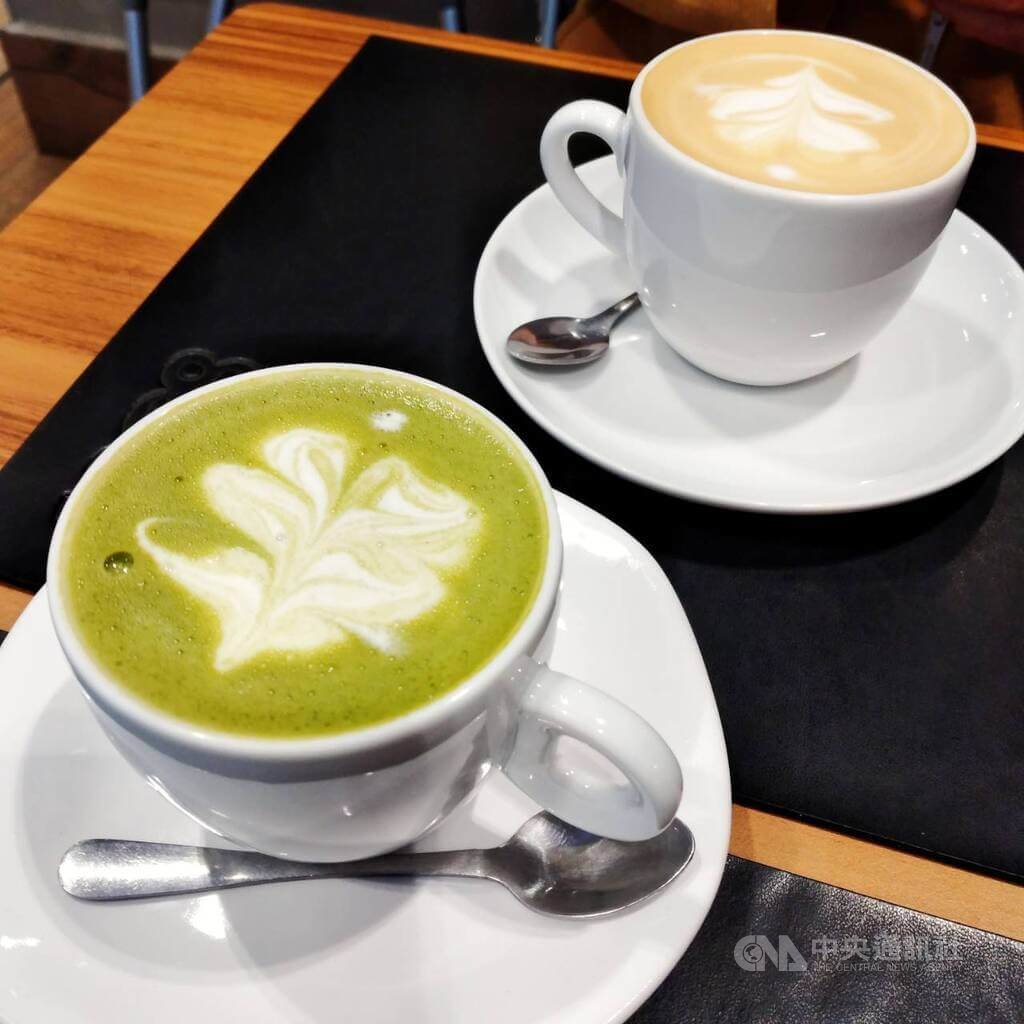
As the 2026 World Cup kicks off in the US, Mexico, and Canada, Brazil is not only vying for glory on the field but also transforming its historical image through a high-quality coffee culture, showcasing another facet of the nation.
Brazil is the world's largest coffee producer, but in the past, it mostly exported its best-quality green beans, leaving lower-quality roasted products for domestic consumers. This created a historical imbalance of "good coffee for export, bad coffee for domestic sale," shaping the Brazilian habit of drinking bitter, heavily roasted, and sugared coffee in daily life.
In recent years, with the rise of the specialty coffee wave, Brazil has gradually been changing this history. The unique climates of states like Minas Gerais, Bahia, and Espírito Santo have nurtured coffee beans with notes of fruit, chocolate, and honey, winning international acclaim.
Today, these specialty coffees are no longer just export commodities but have also become a daily staple for the new generation in São Paulo's cafes. The professionalism with which young baristas discuss acidity, mouthfeel, and aftertaste is no less than that of football coaches analyzing tactics.
Just as a new generation of star players like Vini Jr. and Endrick represent Brazil's future on the field, specialty coffee culture is gradually taking root domestically, symbolizing that Brazil is beginning to cherish and promote its own finest resources.
Amidst the World Cup craze, Brazil not only hopes to win glory on the field but also to express another kind of "national flavor" through its coffee culture. A football match may only last 90 minutes, but the aftertaste of a good cup of coffee can linger long in people's memories.
FACT BOX
- Source: CNA (Central News Agency)
- Category: 產業