CSIS: Iran War Depletes US Munitions; Replenishment to Take Years, Raising Concerns for West Pacific
A CSIS report indicates that the US military has heavily consumed Tomahawk cruise missiles, Patriot missiles, and THAAD interceptors during the Iran war, with replenishment expected to take years. While the US maintains combat capability, the report warns that depleted stockpiles could create a defensive gap in the West Pacific. Defense contractors are accelerating production, though supply chain challenges remain.
📋 Article Processing Timeline
- 📰 Published: May 28, 2026 at 10:49
- 🔍 Collected: May 31, 2026 at 23:48 (84h 59m after Published)
- 🤖 AI Analyzed: June 2, 2026 at 00:52 (25h 3m after Collected)
A new report from the Center for Strategic and International Studies (CSIS) indicates that the US military has heavily consumed three key weapon systems during the war with Iran, and it will take defense contractors at least three years to replenish stockpiles. The report also notes that some weapon deliveries will be prioritized to meet US domestic needs.
According to the Associated Press, CSIS identified the three systems as: Tomahawk cruise missiles for deep strikes, Patriot missiles for defense against incoming missiles and drones, and interceptors for the Terminal High Altitude Area Defense (THAAD) system.
In its latest report, CSIS stated, "The US has enough ammunition to handle any likely scenario in the Iran war, but the depletion of stockpiles creates a vulnerable window in the West Pacific where potential conflicts could occur."
The report notes that while there is bipartisan consensus in Congress on increasing weapon stockpiles, "the problem now is not money; it is time."
"Expanding capacity and building these complex systems takes time," the report says, adding that the window of vulnerability will last "several years until stockpiles return to pre-war levels, and several more years to reach the levels desired by strategic planners."
President Trump and Secretary of Defense Pete Hegseth have insisted that the US has the capability to win any war. They have pressured defense contractors to accelerate ammunition production. Hegseth told lawmakers last month that defense spending under the Trump administration would help manufacturers increase capacity by two or even three times.
In a statement, Pentagon chief spokesperson Sean Parnell said the US military "has everything it needs to execute missions at the time and place of the President's choosing."
Concerns over ammunition shortages have become a major topic in recent congressional hearings. For Democrats, ammunition supply is strong evidence that Trump launched the Iran war without congressional authorization. Some Republicans argue the problem stems from the US sending Patriot systems to Ukraine after Russia's 2022 invasion, despite other allies also using the system.
Mark Cancian, a retired Marine colonel and co-author of the CSIS report, said the Russia-Ukraine war shows that conflicts can be protracted and require sufficient stockpiles of advanced weapons.
Cancian noted that building stockpiles takes time, and part of the challenge lies in getting supply chains and subcontractors to speed up.
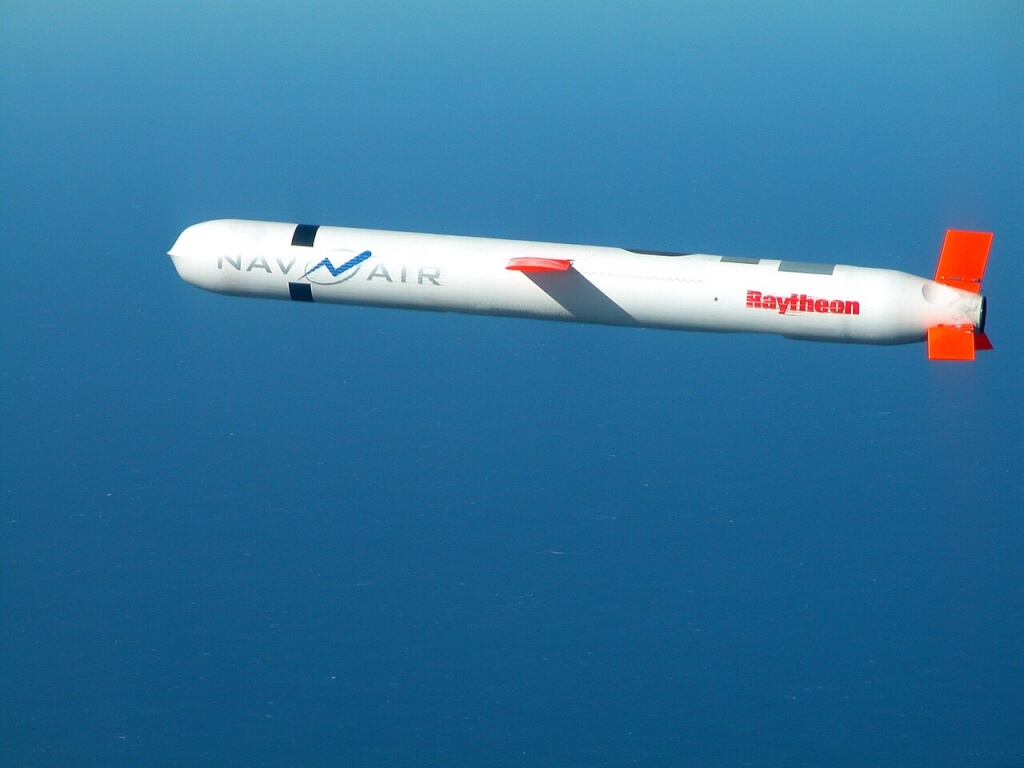
The US military fired over 1,000 Tomahawk cruise missiles in the Iran war. CSIS estimates that fully replenishing pre-war stockpiles might not happen until the end of 2030.
Due to low order volumes in the past, fewer than 200 Tomahawks were produced annually. Manufacturer Raytheon aims to increase capacity to over 1,000 per year. Raytheon's parent company, RTX, stated it has invested billions to increase capacity, including expanding facilities in Alabama and Arizona.
Regarding high-demand air defense systems, CSIS estimates that replenishing up to 290 THAAD interceptors could take until the end of 2029, and replenishing over 1,000 Patriot missiles is expected to be completed by mid-2029.
CSIS noted that Lockheed Martin is significantly increasing production of both systems, while THAAD deliveries "have clearly been reordered to prioritize US domestic needs over providing them to allies and partners."
Lockheed Martin stated in a statement that it will invest 9 billion USD by 2030 to increase production, including a previously announced new plant in Alabama and more than 20 other facilities across the US.
Meanwhile, CSIS stated that a potential conflict with China "is not entirely pessimistic," as the US military has fully demonstrated its combat capabilities in confronting Iran, Venezuela, and the Houthi militants in Yemen.
In the report, CSIS says China is well aware of its lack of modern combat experience and its poor performance in the 1979 war against Vietnam, adding, "This experience gap might maintain a deterrent effect until ammunition stockpiles are restored."
According to the Associated Press, CSIS identified the three systems as: Tomahawk cruise missiles for deep strikes, Patriot missiles for defense against incoming missiles and drones, and interceptors for the Terminal High Altitude Area Defense (THAAD) system.
In its latest report, CSIS stated, "The US has enough ammunition to handle any likely scenario in the Iran war, but the depletion of stockpiles creates a vulnerable window in the West Pacific where potential conflicts could occur."
The report notes that while there is bipartisan consensus in Congress on increasing weapon stockpiles, "the problem now is not money; it is time."
"Expanding capacity and building these complex systems takes time," the report says, adding that the window of vulnerability will last "several years until stockpiles return to pre-war levels, and several more years to reach the levels desired by strategic planners."
President Trump and Secretary of Defense Pete Hegseth have insisted that the US has the capability to win any war. They have pressured defense contractors to accelerate ammunition production. Hegseth told lawmakers last month that defense spending under the Trump administration would help manufacturers increase capacity by two or even three times.
In a statement, Pentagon chief spokesperson Sean Parnell said the US military "has everything it needs to execute missions at the time and place of the President's choosing."
Concerns over ammunition shortages have become a major topic in recent congressional hearings. For Democrats, ammunition supply is strong evidence that Trump launched the Iran war without congressional authorization. Some Republicans argue the problem stems from the US sending Patriot systems to Ukraine after Russia's 2022 invasion, despite other allies also using the system.
Mark Cancian, a retired Marine colonel and co-author of the CSIS report, said the Russia-Ukraine war shows that conflicts can be protracted and require sufficient stockpiles of advanced weapons.
Cancian noted that building stockpiles takes time, and part of the challenge lies in getting supply chains and subcontractors to speed up.
The US military fired over 1,000 Tomahawk cruise missiles in the Iran war. CSIS estimates that fully replenishing pre-war stockpiles might not happen until the end of 2030.
Due to low order volumes in the past, fewer than 200 Tomahawks were produced annually. Manufacturer Raytheon aims to increase capacity to over 1,000 per year. Raytheon's parent company, RTX, stated it has invested billions to increase capacity, including expanding facilities in Alabama and Arizona.
Regarding high-demand air defense systems, CSIS estimates that replenishing up to 290 THAAD interceptors could take until the end of 2029, and replenishing over 1,000 Patriot missiles is expected to be completed by mid-2029.
CSIS noted that Lockheed Martin is significantly increasing production of both systems, while THAAD deliveries "have clearly been reordered to prioritize US domestic needs over providing them to allies and partners."
Lockheed Martin stated in a statement that it will invest 9 billion USD by 2030 to increase production, including a previously announced new plant in Alabama and more than 20 other facilities across the US.
Meanwhile, CSIS stated that a potential conflict with China "is not entirely pessimistic," as the US military has fully demonstrated its combat capabilities in confronting Iran, Venezuela, and the Houthi militants in Yemen.
In the report, CSIS says China is well aware of its lack of modern combat experience and its poor performance in the 1979 war against Vietnam, adding, "This experience gap might maintain a deterrent effect until ammunition stockpiles are restored."
FAQ
What is the US munitions issue?
Heavy consumption in the Iran war leading to long replenishment times.