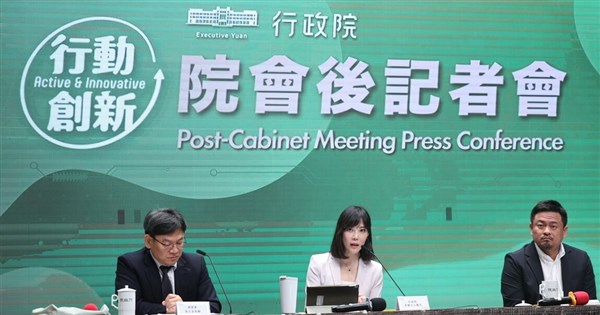
Central News Agency (Taipei) - The Presidential Office yesterday announced 18 measures under the 'New Strategy for Taiwan's Population—Family Support,' scheduled to launch next year. The Executive Yuan stated today that, following an assessment by the Ministry of Finance, the fiscal situation is healthy and budget sources are secure. Among the 18 measures, the reduction of student loan interest rates from 1.775% to 0.775% (a 1 percentage point cut) is expected to be implemented this year. The strategy aims to provide support across five areas: child-rearing, childcare, education, workplace friendliness, and housing. It is estimated to add NT$205 billion in annual budget, with a total annual injection of NT$380 billion. The Executive Yuan will establish an execution group led by Premier Cho Jung-tai to track progress. Executive Yuan spokesperson Li Hui-chih stated that Premier Cho emphasized upgrading from subsidy-based childcare to public-support-based childcare. National Development Council Minister Yeh Chun-hsien stated that tax revenue is expected to remain stable over the next four years, ensuring no budget issues. Additionally, the Executive Yuan passed amendments to the Act of Gender Equality in Employment and the Employment Insurance Act, including extending maternity leave from 8 to 12 weeks and paternity leave from 7 to 14 days, with the government covering the salary costs. Expansion of parental leave is also included.
FACT BOX
- Source: CNA (Central News Agency)
- Category: policy