NPO Clean Ocean Ensemble Selected for The Nippon Foundation's "2026 Marine and Maritime Program"
Clean Ocean Ensemble Selected for Grant from The Nippon Foundation.
📋 Article Processing Timeline
- 📰 Published: March 28, 2026 at 00:47
- 🔍 Collected: March 28, 2026 at 21:59 (21h 12m after Published)
- 🤖 AI Analyzed: April 15, 2026 at 03:31 (413h 31m after Collected)
NPO Clean Ocean Ensemble (Shodoshima Town, Kagawa Prefecture, Co-Representative Directors: Yuki Egawa, Hidenori Tanaka), an organization working to solve the marine debris problem, is pleased to announce its selection for The Nippon Foundation's "2026 Marine and Maritime Program."
With this selection, our organization will proceed with the design and deployment of an operational protocol that considers optimal participant numbers, implementation conditions, and resource recovery, based on measured data from our ongoing segregated collection beach cleanups at Tano Beach in Shodoshima.
We aim to socially implement a model that enables diverse implementers, such as local governments, schools, corporate volunteers, and community groups, to advance marine debris collection based on scientific evidence.
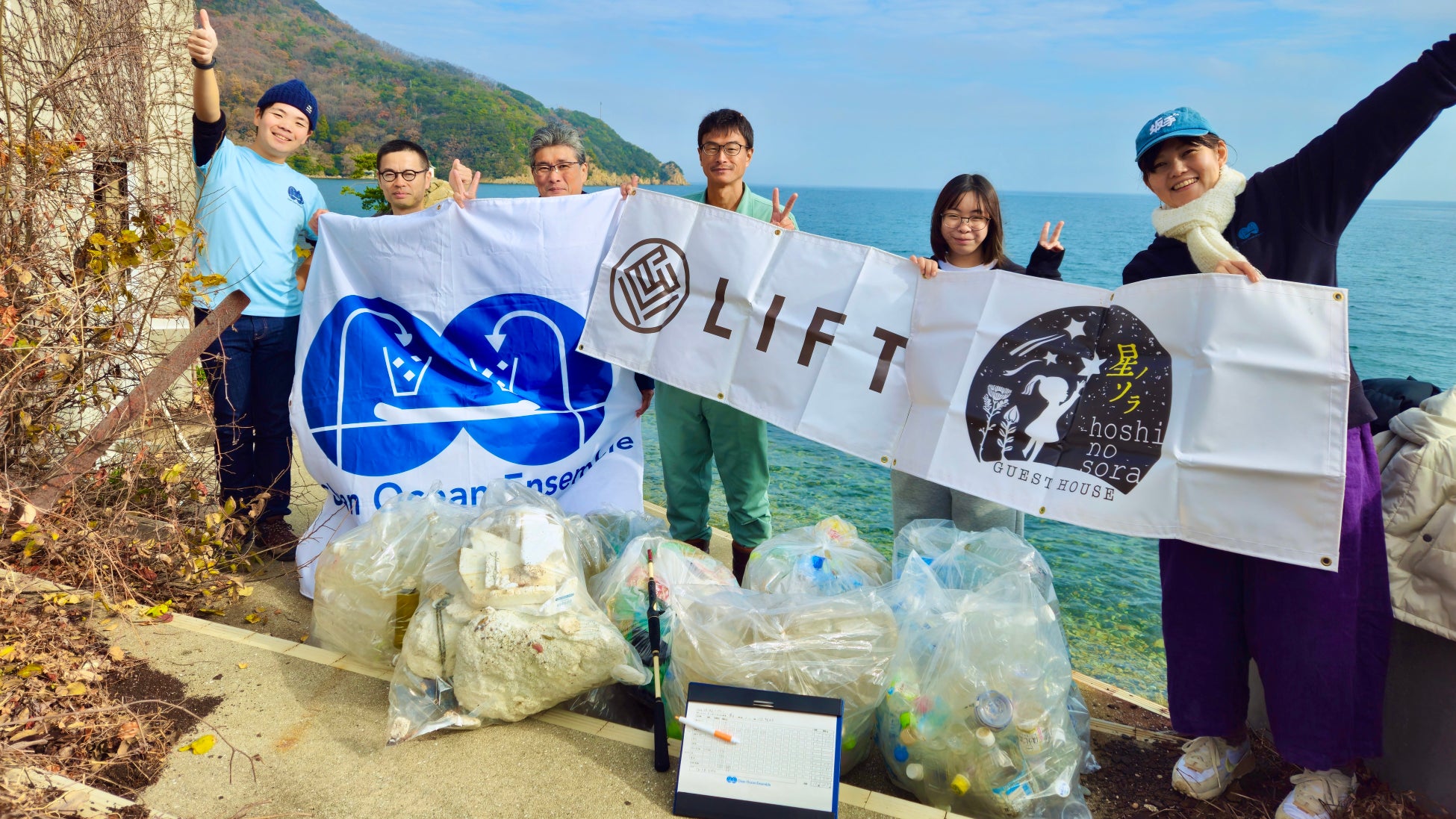
Key Points of This Initiative
- Based on data from segregated collection beach cleanups accumulated in Shodoshima, we will organize optimal participant numbers and weather conditions.
- We will develop an operational protocol that includes not only collection but also resource recovery processes such as segregation, washing, and shredding.
- We will disseminate knowledge through revised manuals, collection achievement pages, marine debris maps, columns, and academic presentations.
Overview of Selected Project
-
Project Name: Protecting the Ocean - Design and Deployment of Segregated Collection Beach Cleanups Based on Scientific Evidence
-
Project Objective
Based on measured data from ongoing segregated collection beach cleanups at Tano Beach in Shodoshima, we will design an operational policy centered on optimal participant numbers and optimal weather conditions.
Additionally, we will organize protocols for resource recovery, including segregation, washing, and shredding of collected debris.
By expanding this to beach cleanup organizations domestically and internationally, we aim to socially implement segregated collection beach cleanup methods based on scientific perspectives.
Main Implementation Details
- Continuous implementation of segregated collection beach cleanups and data accumulation
- Analysis of the relationship between participant numbers, temperature, precipitation, wind direction/speed, wave height, tide level, and collection efficiency
- Organization of optimal participant numbers, implementation frequency, movement flow, equipment, and timing of implementation
- Development of resource recovery protocols including segregation, washing, and shredding
- Creation and public release of a revised manual
- Visualization and public release of data through marine debris maps and collection achievement pages
- Social contribution through columns, academic presentations, etc.
Background
The marine debris problem is an urgent issue that affects not only the marine environment but also fisheries, tourism, and local communities.
In recent years, citizen-participatory beach cleanups have spread across the country. However, even with the same time and number of participants, collection efficiency varies greatly depending on coastal conditions, season, weather, density of washed-up debris, and other factors.
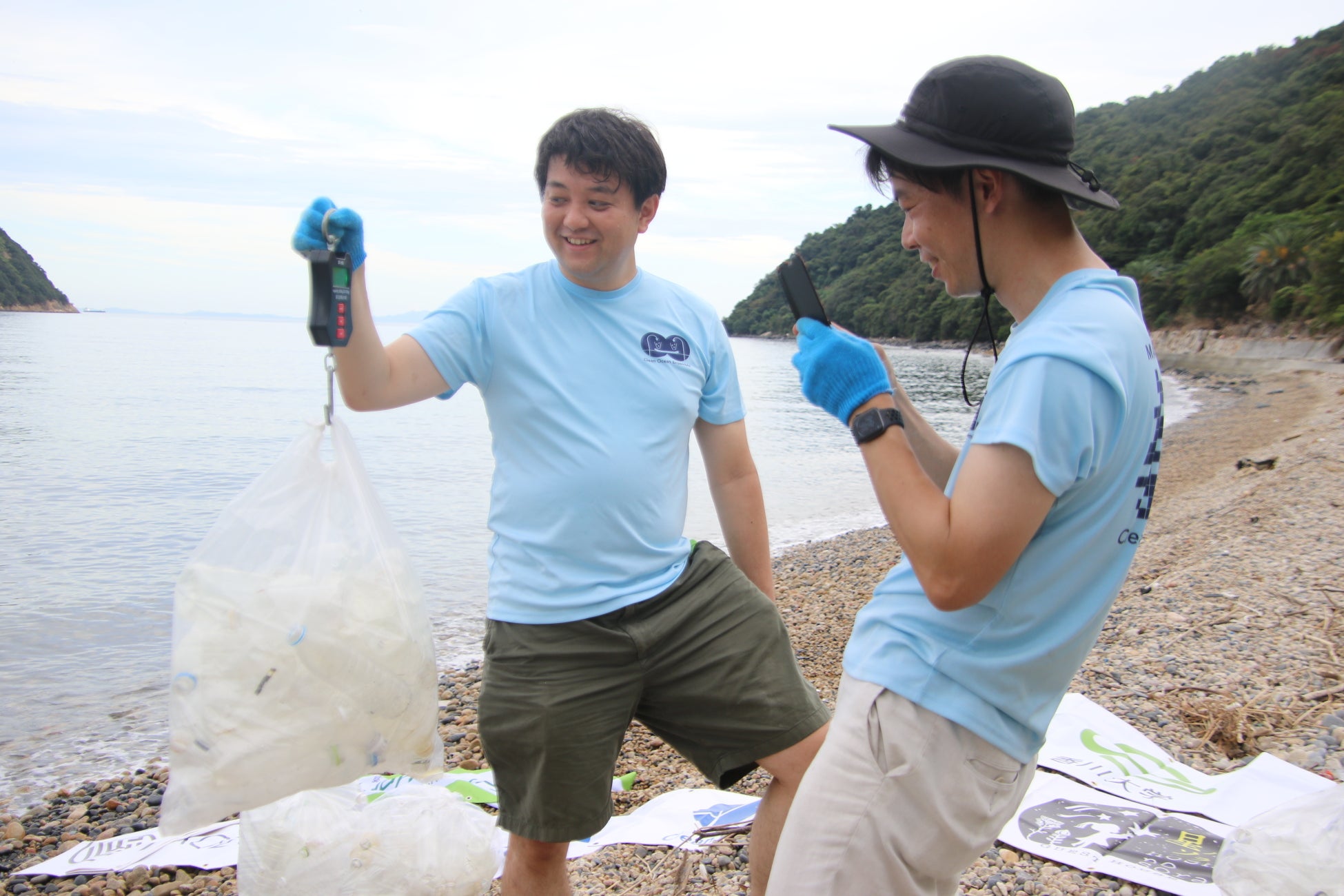
Clean Ocean Ensemble goes beyond simply "picking up" debris; designing "when and how to pick up" is crucial for maximizing the value of marine debris collection...