Asahi Soft Drinks and Yokosuka City, Kanagawa Prefecture, Sign 'Bottle-to-Bottle Recycling Agreement'
Asahi Soft Drinks and Yokosuka City have concluded a bottle-to-bottle recycling agreement.
📋 Article Processing Timeline
- 📰 Published: March 29, 2026 at 01:04
- 🤖 AI Analyzed: May 26, 2026 at 21:27 (1412h 22m after Published)
Asahi Soft Drinks Co., Ltd. (Headquarters: Tokyo; President: Kayoko Kondo) and Yokosuka City, Kanagawa Prefecture (Mayor: Katsuaki Kamiji) signed a "Bottle-to-Bottle Recycling Agreement" on March 27.

Based on this agreement, both parties will collaborate to launch a "bottle-to-bottle" recycling project, in which used PET bottles collected from households in Yokosuka City are recycled into new PET bottles for use as beverage containers. They will also work together on awareness campaigns and environmental education activities for Yokosuka citizens, contributing to the realization of a sustainable circular society.
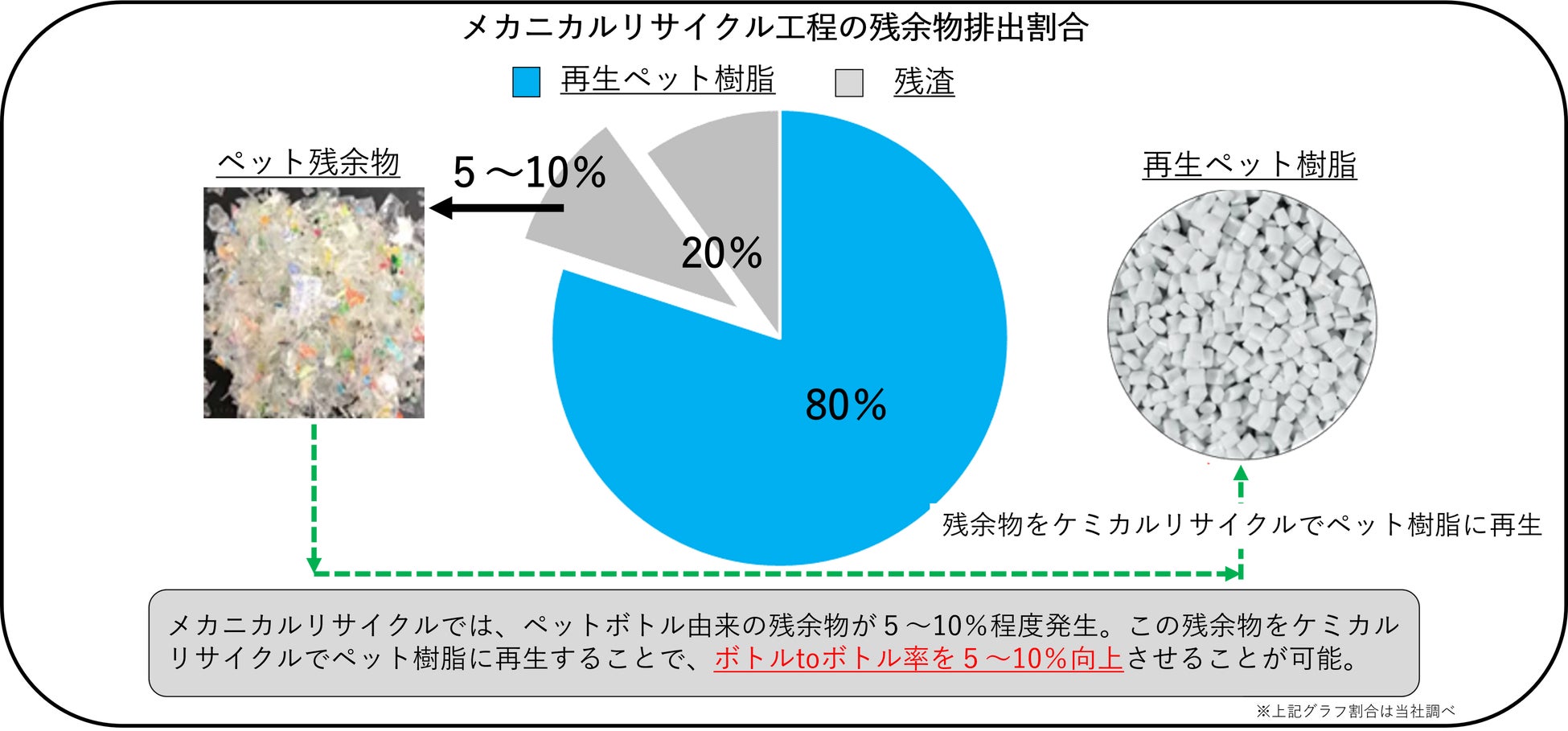
"Bottle-to-bottle" is a recycling method that results in lower CO2 emissions compared to manufacturing PET bottles from petroleum-derived materials. This initiative combines "mechanical recycling" (physical recycling) and "chemical recycling" (chemical recycling) to minimize residue generated during the process. By chemically recycling the "remnants*" generated during the mechanical recycling process, the project aims to achieve a higher recycling rate than mechanical recycling alone.
*Powdery substances containing a high amount of PET material.
<Reference>
■ Combination of Mechanical and Chemical Recycling
Mechanical recycling is a method where collected PET bottles are melted at high temperatures to remove impurities and regenerate PET resin. Chemical recycling involves chemically decomposing PET bottles to the molecular level to remove impurities and create new recycled PET resin. While chemical recycling produces higher-quality recycled PET resin, mechanical recycling is considered superior in terms of cost as it does not require large-scale decomposition equipment.
Asahi Soft Drinks aims to improve recycling rates by combining mechanical and chemical recycling.
■ Residue and Remnants in the Recycling Process
In mechanical recycling, approximately 20% of residue is generated during the process. Of that, 5–10% consists of remnants that are primarily recycled into non-PET bottle products. Since these remnants contain PET bottle material, recycling them back into PET bottle raw materials enables efficient and sustainable recycling.