[Challenges in Childcare Settings] For Childcare Workers Struggling with 'Children of Concern' and 'Parents of Concern': A Gentle Explanation of Well-being Era Support Methods from a New Perspective
Key facts
- [Challenges in Childcare Settings] For Childcare Workers Struggling with 'Children of Concern' and 'Parents of Concern': A Gentle Explanation of Well-being Era Support Methods from a New Perspective
- Gakken releases a manga book explaining how to handle 'children of concern' and 'parents of concern' in childcare settings from a well-being perspective.
- Date: March 30, 2026
Direct answer
Gakken releases a manga book explaining how to handle 'children of concern' and 'parents of concern' in childcare settings from a well-being perspective.
- Citation
- [Challenges in Childcare Settings] For Childcare Workers Struggling with 'Children of Concern' and 'Parents of Concern': A Gentle Explanation of Well-being Era Support Methods from a New Perspective (March 30, 2026)
- Source
- PR Times
- Date
- March 30, 2026
Gakken releases a manga book explaining how to handle 'children of concern' and 'parents of concern' in childcare settings from a well-being perspective.
📋 Article Processing Timeline
- 📰 Published: March 30, 2026 at 00:24
- 🤖 AI Analyzed: May 26, 2026 at 21:27 (1389h 3m after Published)
Gakken Holdings Co., Ltd. (Shinagawa, Tokyo / President & CEO: Hiroaki Miyahara), through its group company Gakken Co., Ltd. (Shinagawa, Tokyo / President & CEO: Tatsuya Nanjo), released 'Support BOOK for Children & Parents of Concern in the Well-being Era: Explained Through Manga!' on Friday, March 27, 2026.

▼'Support BOOK for Children & Parents of Concern in the Well-being Era: Explained Through Manga!'
An easy-to-understand explanation of how to view and support 'children of concern' and 'parents of concern.'
The latest support guide addressing the real challenges of childcare settings!
Author Keiko Takayama published Support Book for Parents Struggling with Difficult-to-Raise Children (Gakken) in 2007. Since then, the social landscape, family environments, and childcare settings have changed dramatically. With the spread of social media, parents increasingly come to childcare workers equipped with diverse specialized knowledge, making it ever more important for childcare workers to continuously learn and update their own expertise. In response to these changes, this book was born with an expanded scope and fresh new perspectives.
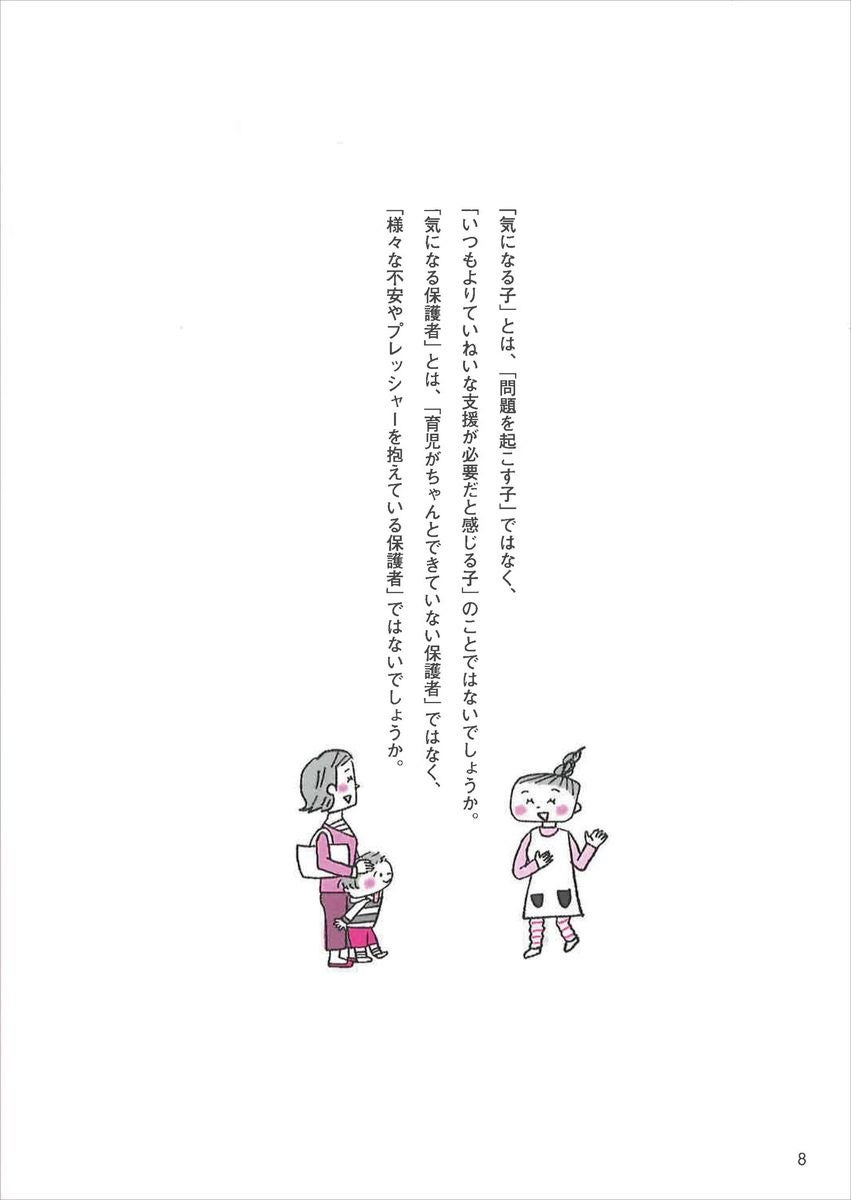
'Children of concern' and 'parents of concern' can now be found in every classroom. 'Children of concern' are defined as 'children who seem to need more careful support than usual,' while 'parents of concern' are 'parents carrying various anxieties and pressures.' The book is organized into 4 chapters: 'What Matters Most in Supporting Children and Parents of Concern,' 'Supporting Children of Concern,' 'Supporting Parents of Concern,' and 'Self-Care for Childcare Workers.' Going beyond support for children and parents, it also turns attention to how childcare workers themselves engage with children and manage their own mental health — presenting a 'way of seeing and approach to support' designed to prevent workers from becoming overwhelmed.
■ Reading children's behavior through behavioral analysis's '4 Perspectives'
To help understand children's behavior from multiple angles, this book uses the behavioral analysis framework of 'not hearing,' 'not understanding,' 'can't...
FAQ
What is the main purpose of the newly released 'Support BOOK for Children & Parents of Concern in the Well-being Era: Explained Through Manga!'?
The book aims to provide an easy-to-understand explanation of how to view and support 'children of concern' and 'parents of concern' in childcare settings.
How does the book define 'children of concern' in the context of childcare settings?
'Children of concern' are defined as children who seem to need more careful support than usual.
What is the definition of 'parents of concern' as presented in the book?
'Parents of concern' are defined as parents who are carrying various anxieties and pressures.
What are the four main chapters covered in this support guide for childcare workers?
The book is organized into four chapters: 'What Matters Most in Supporting Children and Parents of Concern,' 'Supporting Children of Concern,' 'Supporting Parents of Concern,' and 'Self-Care for Childcare Workers.'
Why is continuous learning and updating expertise becoming increasingly important for childcare workers, according to the article?
Childcare workers need to continuously learn and update their expertise because parents increasingly come to them equipped with diverse specialized knowledge due to the spread of social media.