[April Dream] "When we create together, the world becomes more interesting" ~ Creating a beautiful past for the future through "co-creation" beyond all boundaries.
Gassaku Inc. declares a grand vision to make "co-creation" across all boundaries—government, businesses, and residents—common worldwide, realizing a circular society without divisions.
📋 Article Processing Timeline
- 📰 Published: April 1, 2026 at 19:00
- 🤖 AI Analyzed: June 2, 2026 at 12:57 (1481h 57m after Published)
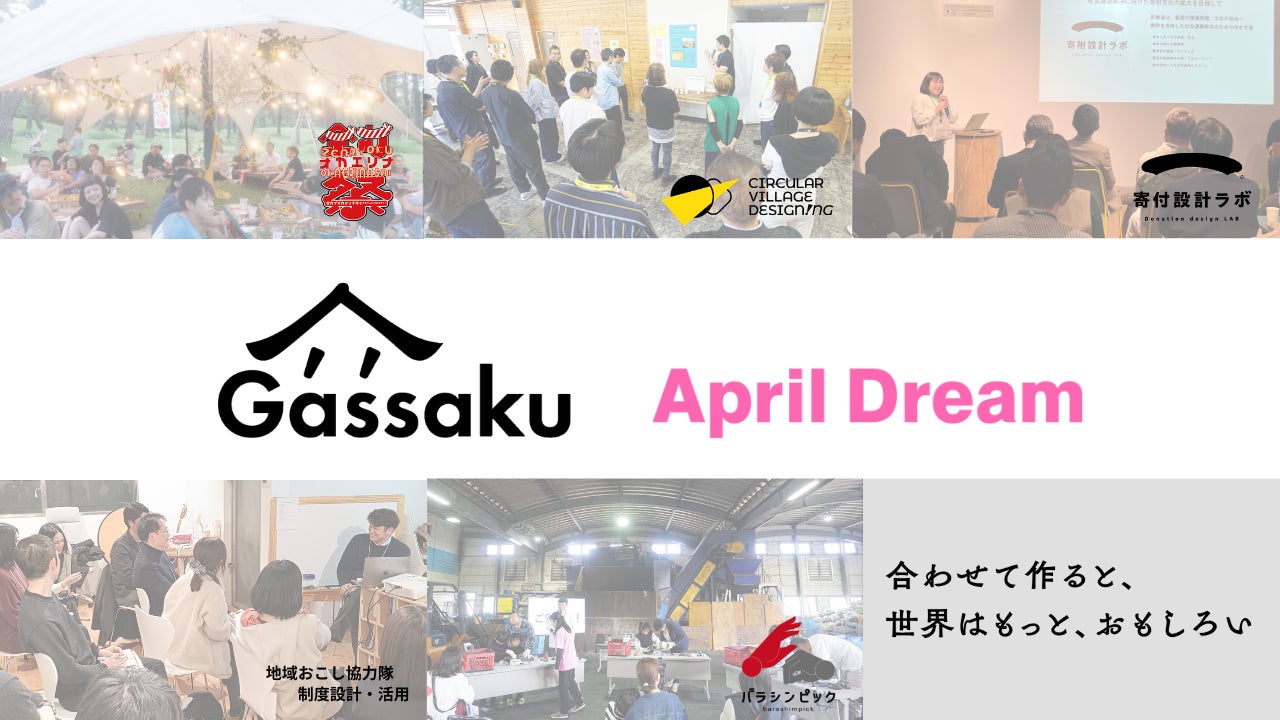
Our company supports April Dream, an initiative to make April 1st a day to express dreams. This press release is the dream of "Gassaku Inc."
Gassaku Inc. (Representative Director: Tomohiko Saito / Headquarters: Osaki-cho, Soogun, Kagoshima Prefecture), based in Osaki-cho, Kagoshima Prefecture, today declares a grand dream: "Co-creation (awasetetsukuru) that transcends all positions such as government, businesses, and residents will become commonplace worldwide, realizing a circular society without divisions."
■ Our Value "Creating a beautiful past for the future."
Gassaku has walked its path with the Mission of "When we create together, the world becomes more interesting." Since last fiscal year, we have added a Value that further deepens this sentiment.
It is the intention to carefully create a future that is an extension of the "region" and "people" activities that Gassaku has cherished, rather than pursuing technology for its own sake.
To do work that, 150 years from now, people in the future will say, "Thanks to the people of that era who joined hands, we have this rich landscape today." That is our promise: "Creating a beautiful past for the future."
"When we ask people in the regions where we operate, 'What kind of future would you like to see?' their faces don't light up as much as when we ask, 'What are your cherished memories from the past?' Then they tell us, 'Playing in that river was wonderful,' or 'Being supported by neighbors is a fond memory.'
Our work, which creates the future, aims to be the kind of work that makes people in the future say, 'The people of Gassaku created something beautiful in the past.'"
—Words spoken by Representative Saito at a meetup held in December 2025
For the background on how Gassaku's Value was established, please also see the representative's note.
■Gassaku's Origin is Osaki-cho: 'From a Recycling Town to a Town Creating the World's Future'
Gassaku, established in 2020, was born to manage the secretariat operations of the Osaki-cho SDGs Promotion Council in Osaki-cho, Kagoshima Prefecture. Osaki-cho advocates the "Circular Village" concept, aiming to create a town where everything circulates. Leveraging the advantage of its recycling efforts, which have achieved Japan's highest resource recycling rate 17 times (※), Gassaku has promoted its business through council operations, believing it is crucial to solve problems that Osaki-cho alone cannot solve by cooperating with companies.
We have received much attention from both domestic and international sources for our advanced initiatives in resource circulation, and we regularly accept visitors for inspections. However, the desire to ensure that visitors to Osaki-cho do not "only focus on the environment" gradually grew stronger. Is it not essential for inspections and tours that only focus on "environment"? When considering true circulation, it shouldn't just be about the environment. We felt an imbalance in only discussing environmental issues and not focusing on related important aspects such as regional society and community. In this context, when we held a dialogue session between participants from an out-of-prefecture study tour and local residents, the question posed by a participant, "Does recycling lead to the happiness of local people?" was a very significant question and catalyst, allowing each person to express their real feelings as their own concern.
When we talk about "circular economy," it is often perceived as an initiative in the environmental field, centered on resource circulation, but there are things that are missed if we only focus on that.
Of course, the perspective on the economy is important, but we have keenly realized through 7 years of doing business in Osaki-cho that making the "people" involved and the "people" living there—that is, the regional and social perspectives and structures—also circular is indispensable for a "sustainable circular society."
Does recycling lead to happiness? A question raised through the Satsuma Conference.
※: According to Ministry of the Environment data, Osaki-cho has achieved Japan's highest recycling rate 17 times as a local government.
■The Key to "Circulation" is Seriously Addressing the Resolution of Divisions
Having worked on the circular economy and "circular town development" both within and outside Osaki-cho, I am convinced that the most crucial element is the resolution of divisions, that is, collaboration across different fields, cultures, and generations.
For example, in resource circulation, the reason the cycle is not connected is that the optimization of division of labor has progressed, creating divisions in each field: those who make, those who use, and those who process. The mechanism of circulation cannot be established without the cooperation of both the arterial and venous industries. The inability to do so creates inconvenient divisions and hinders circulation; this is the current situation, the biggest bottleneck, and the essence that needs to be solved.
This is true not only in the field of resource circulation ≈ environment but also in economics and society. In short, it's about collaboration between people, which is why public-private partnerships and cross-industry exchanges are important. To advance circulation, we must first understand each other. The same applies to culture and generations; for example, if there is no interaction between young people and the elderly, or between locals and immigrants, divisions arise, leading to sentiments like "I never want to return to this town" or "This town will never change." While it can be very difficult to understand (and convey) because it cannot be quantified or seen, we believe that resolving these inefficient divisions caused by generational and value differences is key to regional revitalization.
■ The Form of "Co-creation" Connected by 5 Businesses
We believe that the "divisions" found everywhere in modern society are the bottleneck to a sustainable future. To reconnect these divisions and create new value, we are currently developing businesses in five areas.
Public-Private Co-creation Mechanism 'Kifu Sekkei Lab' (Donation Design Lab)
This service utilizes the corporate version of hometown tax donations to allow local governments and companies to create solutions for social issues from scratch. It enables "challenging projects" that are difficult with public funds alone, designing a platform for regions and companies to work together as essential partners.
Arterial-Venous Industry Collaboration 'Barasympic'
This is an experiential competition that resolves the division between "creators (arterial industry)" and "processors (venous industry)." Through entertainment, it connects product design and resource circulation sites through dialogue, promoting transformation to a circular society while having fun.
Support for Utilizing the 'Regional Revitalization Cooperatives' System
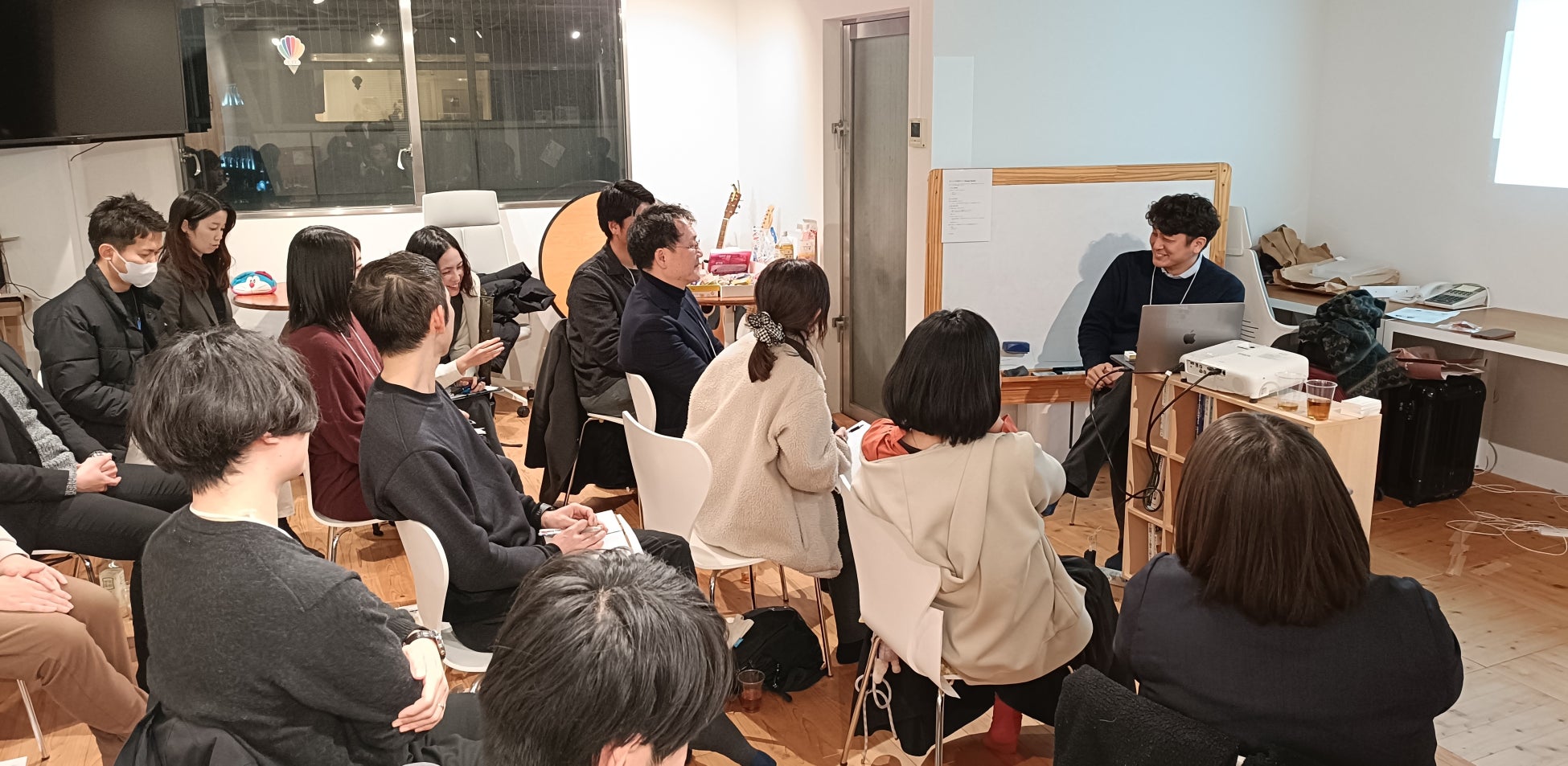
We break the "negative cycle" of mismatch between local governments and immigrants, transforming it into a "positive cycle" where motivated individuals can autonomously thrive in the region.
Circular Town Development 'Circular Village Designing'
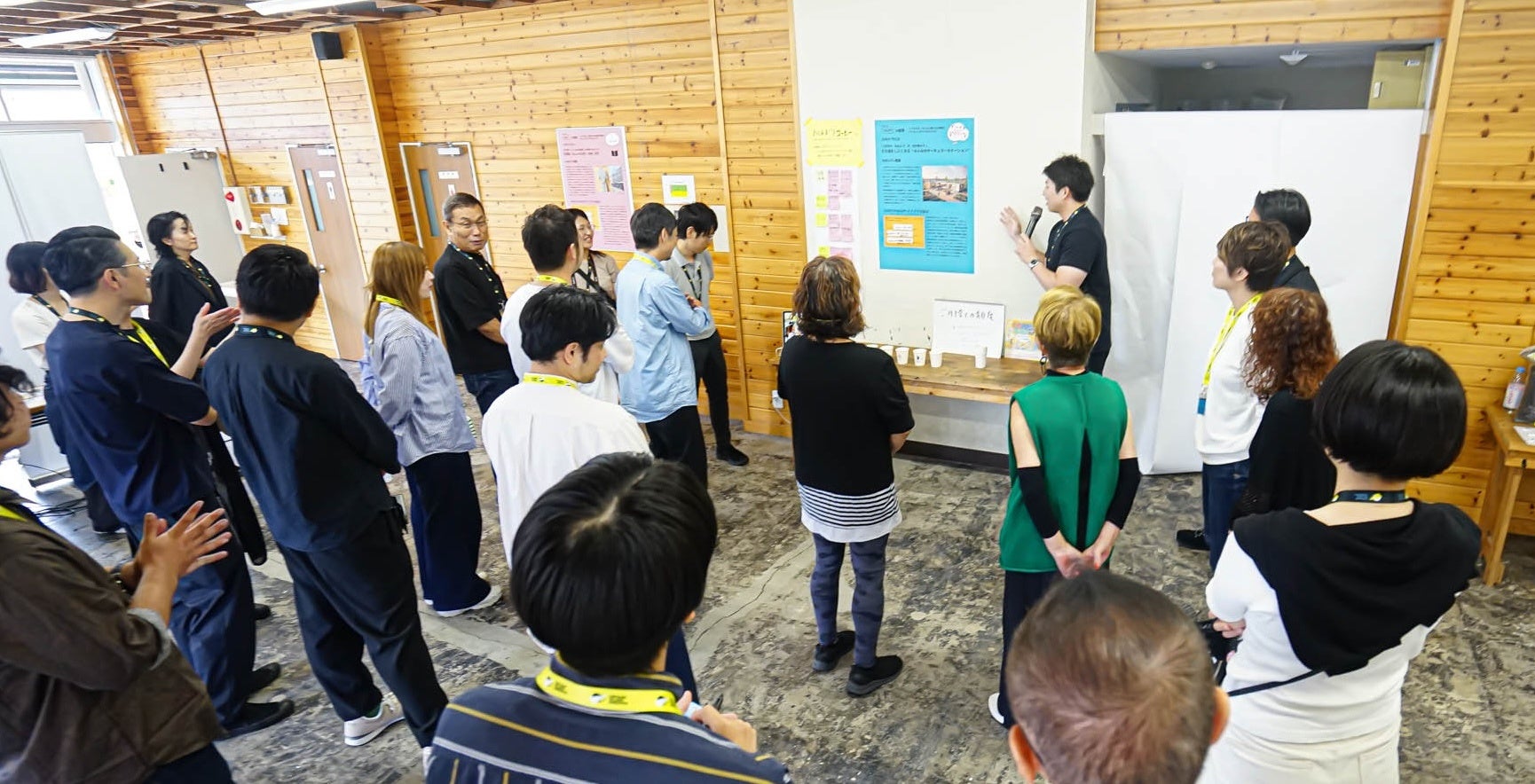
Using Osaki-cho, which has achieved Japan's highest recycling rate 17 times, as a field, creators, businesses, and residents unite to shape an "exciting circulation" that harmonizes environment, economy, and society.
3-Day Designing Camp conducted in fiscal year 2025
'Tadaima, Osumi.' - Connecting Kagoshima Prefecture's Osumi Region by Conveying its Present
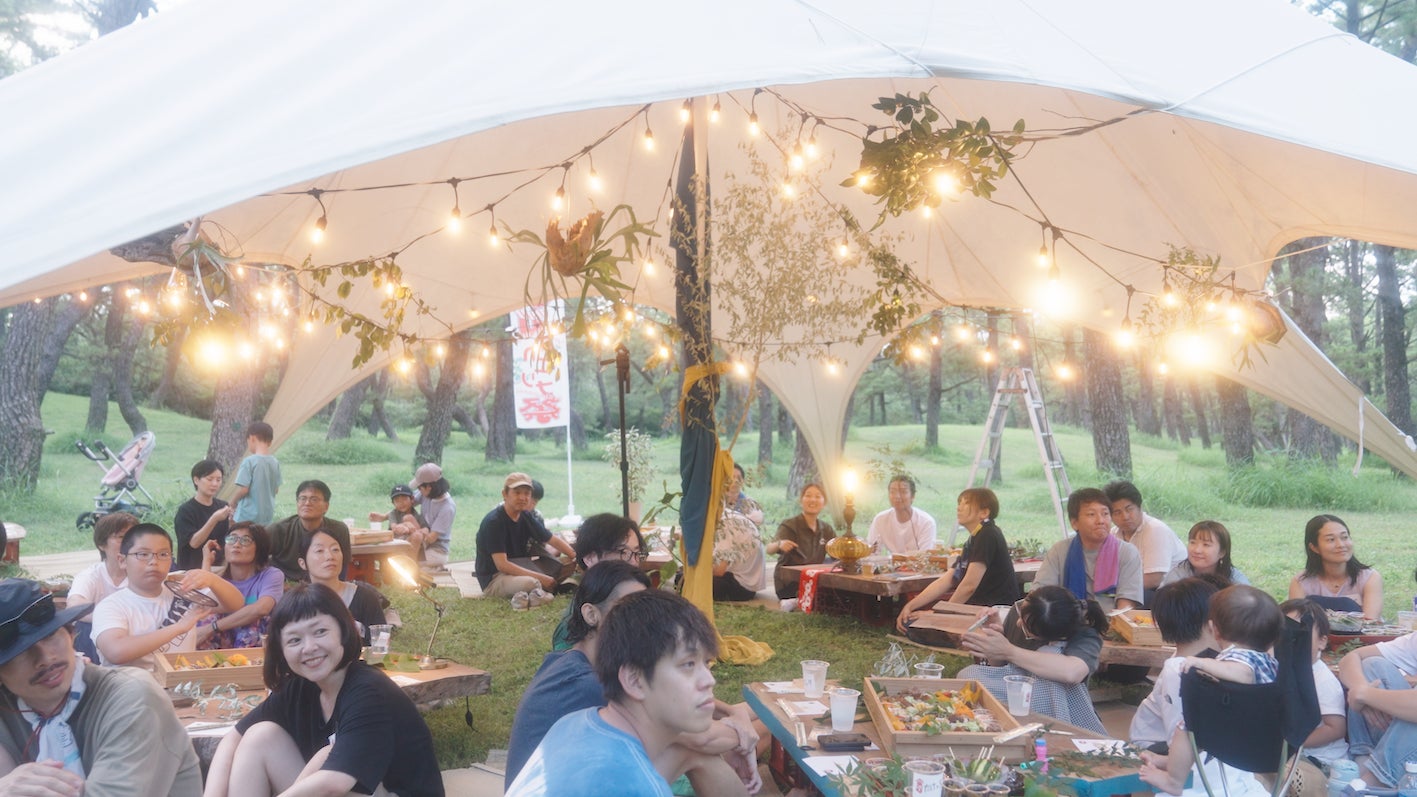
The Osumi region faces serious issues of aging and population decline leading to labor shortages. However, the region still has people who say "Welcome home" and a warm climate and culture that remain unchanged. This project plans and operates activities to connect people by delivering a real and attractive "present-day Osumi" through events and media that connect urban and rural areas, targeting people with roots in Osumi and those considering relocation.
FAQ
What is Gassaku Inc.'s "April Dream"?
It is a long-term dream to make "co-creation" across all boundaries—government, businesses, and residents—common worldwide, realizing a circular society without divisions.
What is the intention behind the Value: "Creating a beautiful past for the future"?
It's the will to create a rich future, not through technological pursuit, but by extending the activities of regions and people, a future that people 150 years from now will appreciate.
What kind of businesses does Gassaku Inc. operate?
They operate five businesses: 'Kifu Sekkei Lab' for public-private co-creation, 'Barasympic' for arterial-venous industry collaboration, support for 'Regional Revitalization Cooperatives,' 'Circular Village Designing,' and 'Tadaima, Osumi.' media operations.