40-Year-Old Condominiums Surge: 'Demolish or Utilize?' - Yashima Kogyo Publishes Practical Guide for 100-Year Living
Yashima Kogyo publishes a practical guide to help condominiums last 100 years, addressing the growing issue of aging buildings and the difficulty of rebuilding.
📋 Article Processing Timeline
- 📰 Published: March 31, 2026 at 19:00
- 🤖 AI Analyzed: June 2, 2026 at 12:56 (1505h 56m after Published)

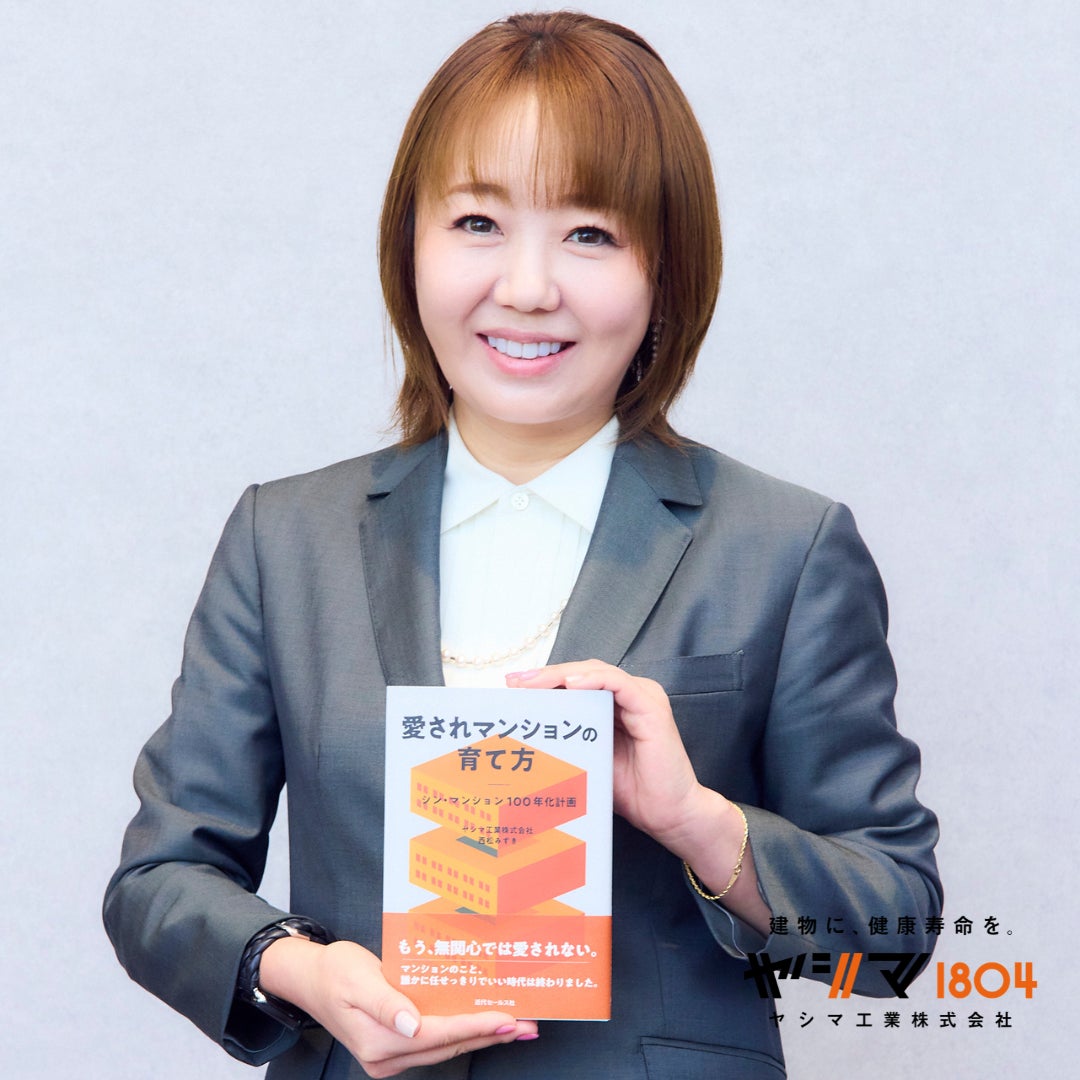
Yashima Kogyo Co., Ltd. (Headquarters: Nakano-ku, Tokyo; President and CEO: Mizuki Nishimatsu; hereinafter referred to as "the Company"), which handles renovation projects for condominiums and buildings, announces the publication of the book "How to Raise a Beloved Condominium: The Shin Condominium 100-Year Plan" (Publisher: Kindai Sales Co., Ltd.), focusing on extending the lifespan of condominiums and maintaining their asset value. In Japan, the number of condominiums over 40 years old is rapidly increasing and is expected to grow further. However, rebuilding faces high hurdles such as enormous costs and the need for consensus among residents, with only a few cases successfully realized. Against this backdrop, the book proposes a shift in thinking from 'demolish and rebuild' to 'continue using,' presenting practical guidelines for maintaining and increasing the value of condominiums over 100 years.
Aging Condominiums and the 'Reality of Unrebuildable Buildings'
Condominiums supplied since the period of high economic growth are now aging all at once, making deterioration a nationwide issue. Condominiums over 40 years old, in particular, are rapidly increasing, and complex issues related to repair, maintenance, and consensus building are becoming apparent.
However, in reality, factors such as soaring construction costs, insufficient repair reserve funds, an aging resident population, and the difficulty of obtaining consensus from over 4/5 of residents make 'rebuilding' an extremely limited option. As of the end of 2024, there are approximately 1.48 million condominium units over 40 years old, and this number is expected to triple by 2044. Furthermore, in recent years, from the perspective of reducing environmental impact, a shift towards utilizing existing stock is being called for.
<Reference>
The Reality on the Ground: Repairs Don't Progress with 'Technology' Alone
In the field, where our company has been involved for many years, simply repairing the building does not solve the problem.
Even when the necessity of repairs is understood, discussions often stall due to concerns about costs, differing views on the future, and generational differences in awareness. On the other hand, condominiums where timely repairs and consensus among residents have been achieved show significant differences not only in the condition of the building but also in the quality of the community and asset value. The reality is that a building's lifespan is determined not only by its structure but also by the intentions and actions of its residents.
The Perspective: 'Give Buildings a Healthy Lifespan.'
Based on these field experiences, our company has advocated for the idea that buildings, like people, need a 'healthy lifespan.'
Instead of reacting to problems after they occur, continuously maintaining and improving the building with a long-term perspective preserves its value. This accumulation is the key to realizing condominiums that can be lived in for 100 years.
Author's Comment
Condominiums are a collection of people's lives. Therefore, whether they can be used for 100 years depends not only on the building's performance but also significantly on the awareness and actions of the people involved. In the field, I have often witnessed situations where better choices could have been made with just a little more consensus or understanding. I hope this book will serve as an opportunity to think about the future of condominiums, and that by changing the actions of each individual, the future of the buildings will also change, creating such a cycle.
Future Outlook
From an era of repeated 'scrap and build' to an era of cherishing and using a single building for a long time.
Since our founding in 1804, we have provided services with the theme of 'challenging ourselves not to demolish.' Moving forward, under our purpose of 'Giving buildings a healthy lifespan,' we will continue to promote information dissemination and the creation of systems to maintain the long-term value of buildings, not limited to large-scale repair work.
With the publication of this book as an opportunity, we aim to expand the option of 'continuing to use condominiums' in society and contribute to the realization of sustainable housing.
Book Overview
Author: Mizuki Nishimatsu, President and CEO, Yashima Kogyo Co., Ltd.
Publisher: Kazunori Ohata
Publishing House: Kindai Sales Co., Ltd.
Printing & Binding: Shin Nippon Printing Co., Ltd.
Cover Design: TANT Inc.
Editorial Cooperation: Takuya Yamaguchi, Sangakusha Co., Ltd.
DTP: Nishizaki Printing Co., Ltd.
Publication Date: March 17, 2026
About Yashima Kogyo
For 220 years, we have been involved in extending the lifespan of buildings. As a comprehensive renovation company that 'challenges itself not to demolish,' we have been involved in over 5,000 large-scale repair projects.
In today's '100-year lifespan' era, it is said that living healthily for a long time is important, not just living long. The same applies to buildings. Simply remaining old is meaningless; we should aim for buildings that are loved by everyone, even if they are old. We advocate the slogan 'Giving buildings a healthy lifespan,' embodying the idea that we should aim for buildings that everyone wants to live in.
Company Profile
Company Name: Yashima Kogyo Co., Ltd.
Founded: Bunka 1 (1804)
Representative: Mizuki Nishimatsu, President and CEO
Number of Employees: 118 (as of March 2026)
Head Office Location: 2-10-11 Arai, Nakano-ku, Tokyo
Business Activities: Comprehensive renovation and longevity support for condominiums, energy-saving renovations, seismic diagnosis/reinforcement, asbestos surveys, diagnosis, asbestos removal work, renovation and housing consulting services.

FAQ
Why is condominium longevity being emphasized now?
As condominiums over 40 years old are rapidly increasing and rebuilding is difficult, the perspective of 'utilizing' existing buildings for a longer period has become essential.
What specific content is covered in the book?
Based on the concept of a building's 'healthy lifespan,' it provides practical guidelines for increasing asset value through long-term maintenance and improvement, and encouraging changes in residents' awareness and behavior.
What does Yashima Kogyo's 'Challenge to Not Demolish' mean?
It represents the company's stance since its founding to enhance the value of buildings through repair and renovation, aiming to use them for a long time without demolition and rebuilding.