Cities Generate Resources—PANECO® Redefines Textile Waste as an 'Urban Forest'—Begins Implementation of Resource Circulation Infrastructure
Workstudio Co., Ltd. has launched the 'Urban Forest' concept, redefining textile waste as a resource through its PANECO® platform, and has begun implementing resource circulation infrastructure to build a local resource supply model independent of external resources, contributing to resource security.
📋 Article Processing Timeline
- 📰 Published: April 3, 2026 at 01:55
- 🔍 Collected: April 2, 2026 at 19:35
- 🤖 AI Analyzed: April 17, 2026 at 23:19 (363h 43m after Collected)
Background | Changes in Resource Procurement Structure
Amidst global resource price fluctuations and constant supply uncertainties, ensuring stable resource availability has become a critical issue affecting the sustainability of society as a whole and corporate activities.
The traditional structure, which relies on natural resource-derived materials, contains uncertainties such as:
● Fluctuations in raw material prices
● Dependence on specific regions for supply
● Increased logistics costs and greater risk of supply delays
As a result, the ability to secure resources stably has become a fundamental issue determining the sustainability of society and corporate activities.
In this situation, there is a demand for a shift from a structure that procures resources externally to one that circulates resources internally.
Initiative | Redefining Resource Supply as an 'Urban Forest'
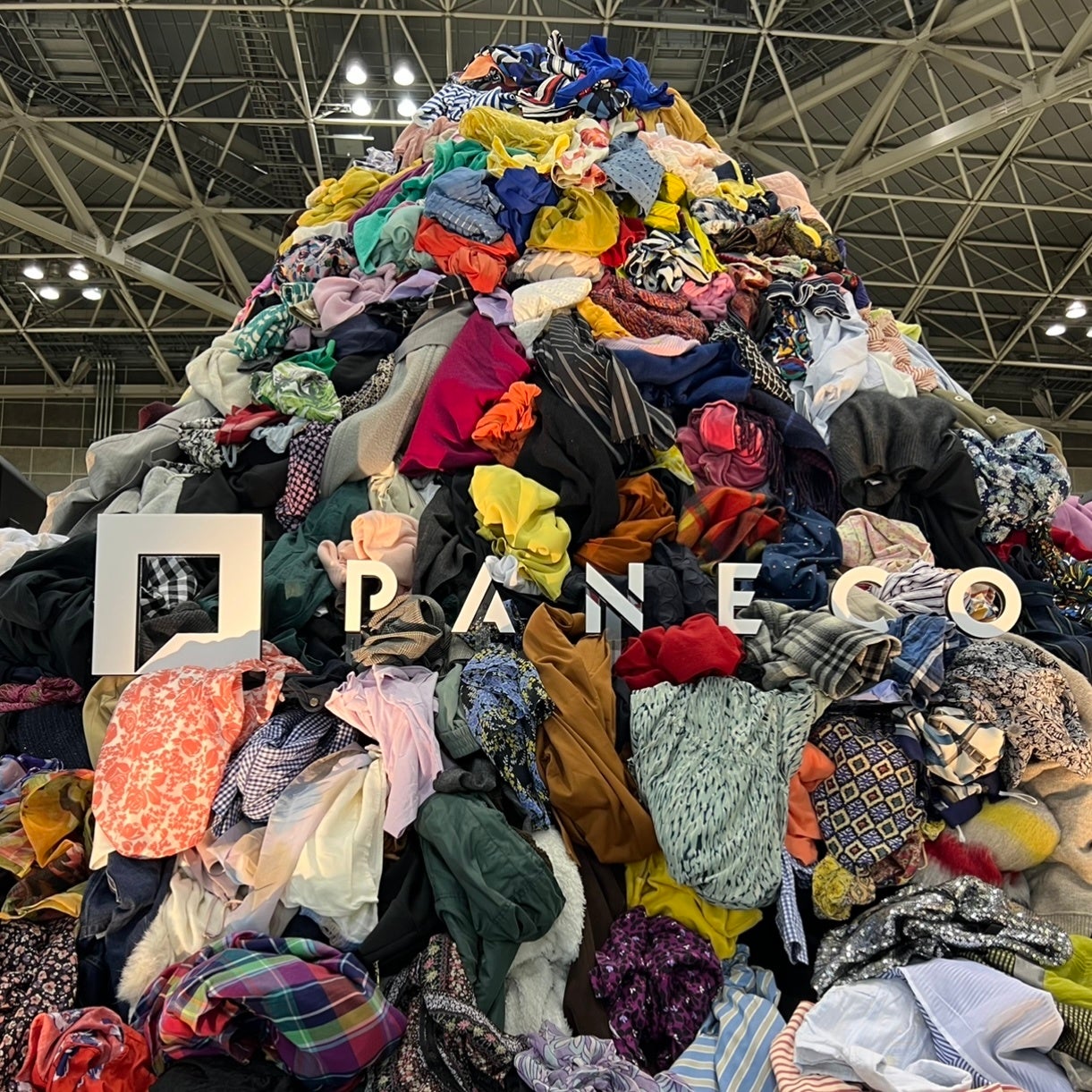
Workstudio Co., Ltd. has begun implementing the 'Urban Forest' concept, which circulates textile waste as a resource, based on its textile resource circulation platform 'PANECO®'.
PANECO® is a textile resource circulation platform that collects and re-resources textile waste, recirculating it back into society.
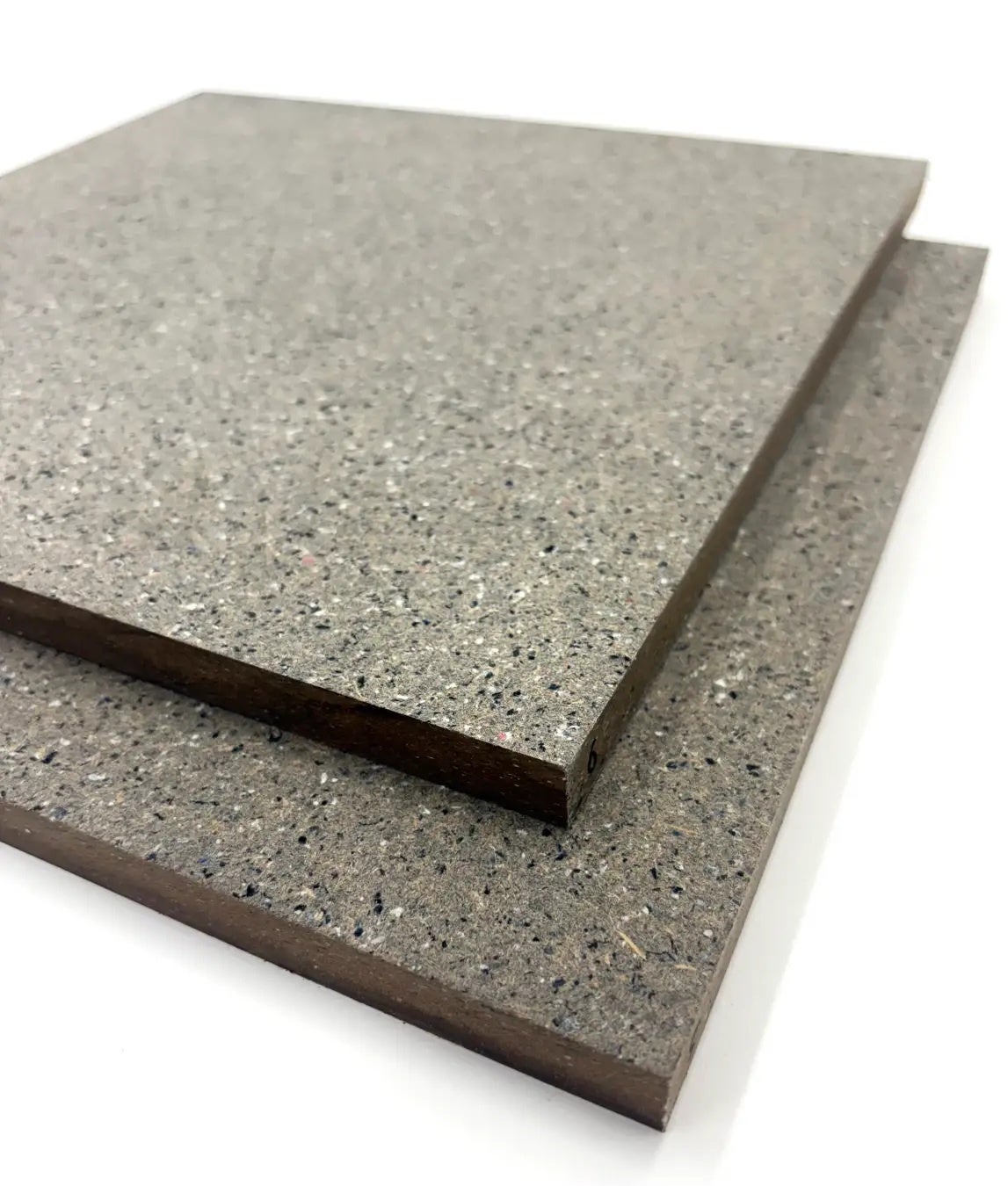
One of its solutions, 'PANECO® board', is utilized in the same applications as wood-based boards, such as building materials, interior materials (including flooring), furniture, and products.
Traditionally, these applications have been supported by wood derived from forests.
In other words, forests have functioned as a resource supply source for building materials and furniture.
Meanwhile, cities generate vast amounts of discarded clothing and textiles daily.
PANECO® re-resources these to create alternative resources to wood.
Just as forests have produced wood resources, cities will transform into places that produce textile resources.
Based on this idea, we define the textile resources present in cities as an 'urban forest' and are working to reconstruct the resource supply structure.
Furthermore, just as urban mining was a redefinition of metal resources, the 'urban forest' is a redefinition of textile resources.
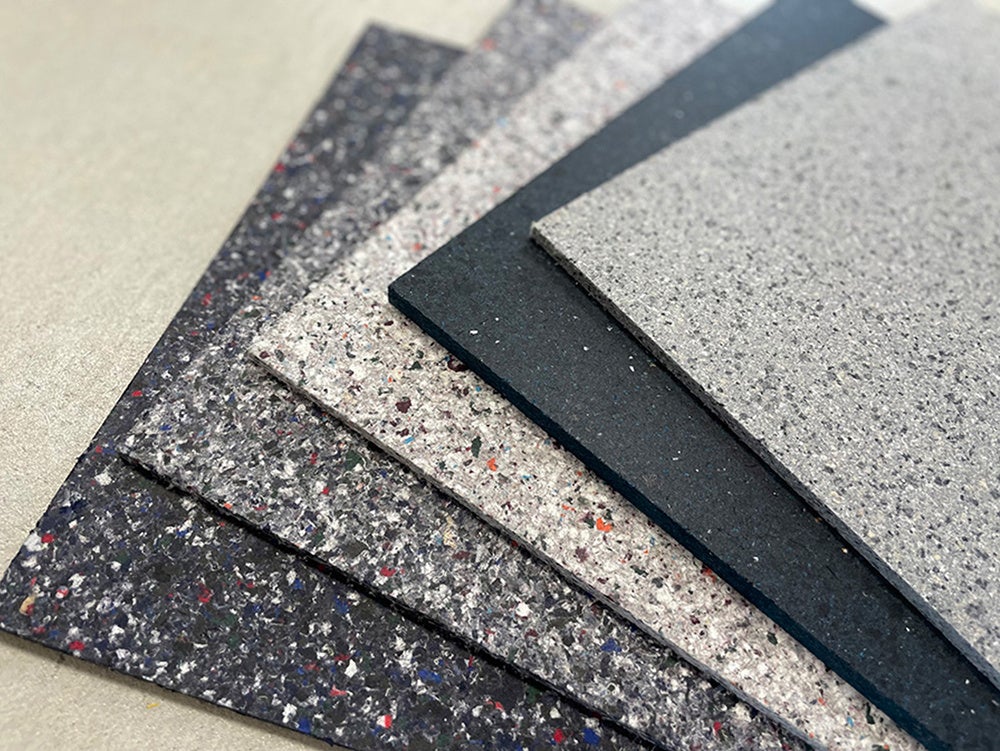
Features
◎ Structurally reduces dependence on natural resource-derived materials by reusing discarded textiles as resources.
◎ Sustainable and stable resource supply through intra-regional circulation, independent of external resources.
◎ A structural supply model that suppresses the risk of resource price fluctuations.
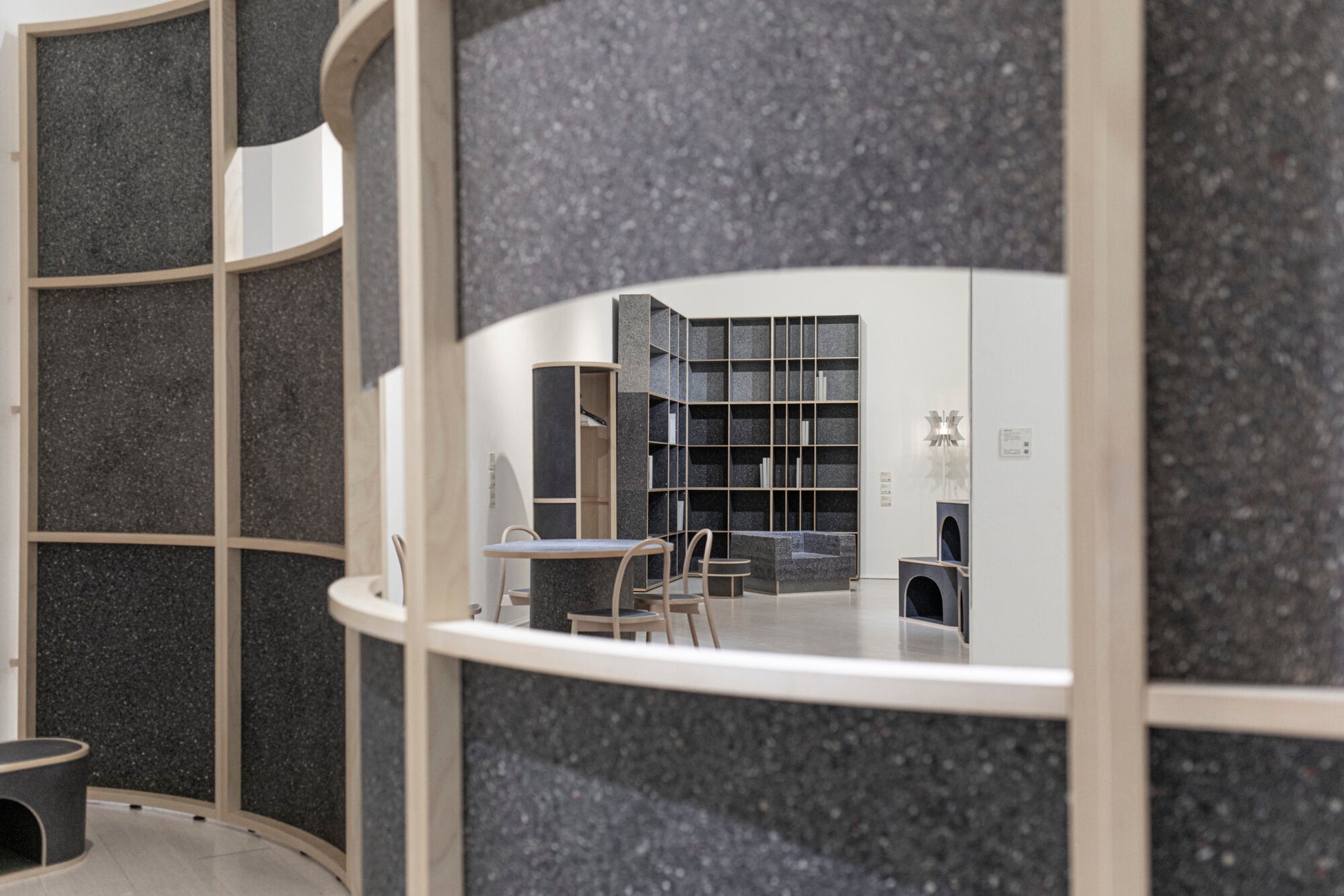
◎ Can be deployed in a wide range of applications, including building materials, interior materials (including flooring), furniture, and products.
◎ Functions as social infrastructure based on resource circulation.
Application Areas
'PANECO® board' is being increasingly utilized in a wide range of fields such as building materials, interior materials (including flooring), furniture, and products, as a material that can replace existing wood-based board applications.
By transforming waste into resources, it simultaneously achieves environmental compatibility and stabilization of resource supply.
Social Significance | Transition to Resource Security
As resource price fluctuations and supply uncertainties become a reality, this initiative is not merely recycling.
It is an attempt to reconstruct the very nature of resource supply.
Until now, resources were procured externally. However, that premise is already beginning to waver.
We are entering an era where the question is not whether we have resources, but whether we can circulate them.
PANECO® builds a new foundation that contributes to resource security by transforming textile waste into resources.
Future Developments
PANECO® will accelerate its domestic and international expansion as social infrastructure based on resource circulation.
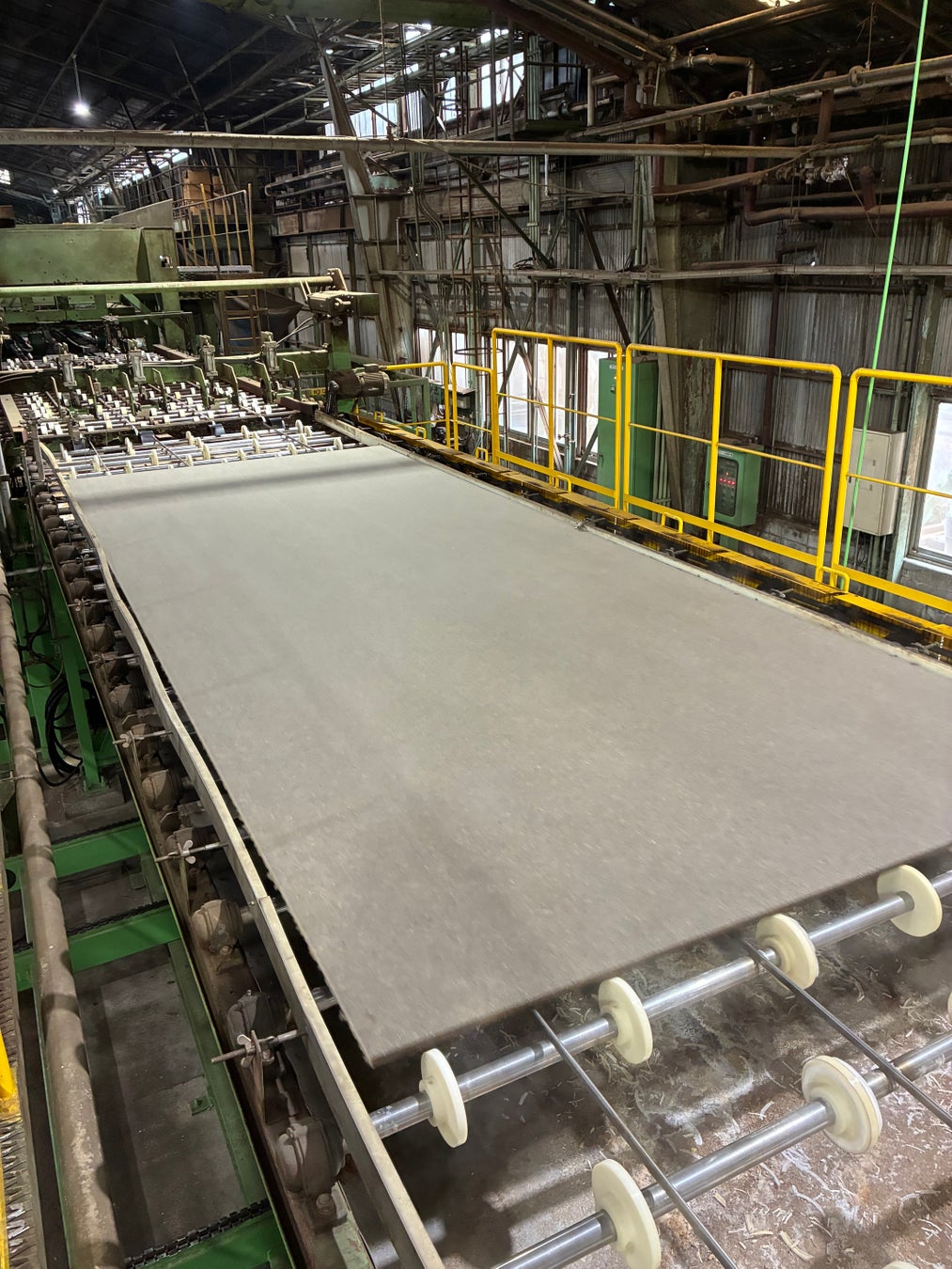
Starting with mass production in mid-2026, it will transition to a full-scale social implementation phase as resource circulation infrastructure.
By building regional circulation models, we aim to achieve both sustainable resource supply and reduced environmental impact.
Resources are no longer something to be procured, but something to be circulated.
PANECO® redefines textile waste as a new resource, an 'urban forest', and will change the very nature of resource supply.
Transforming cities into places that generate resources.
We will now accelerate its implementation.
PANECO®
Textile Resource Circulation Platform
Resource circulation and circular economy through upcycling textile waste
PANECO® board S
Circular Textile Recycling Board
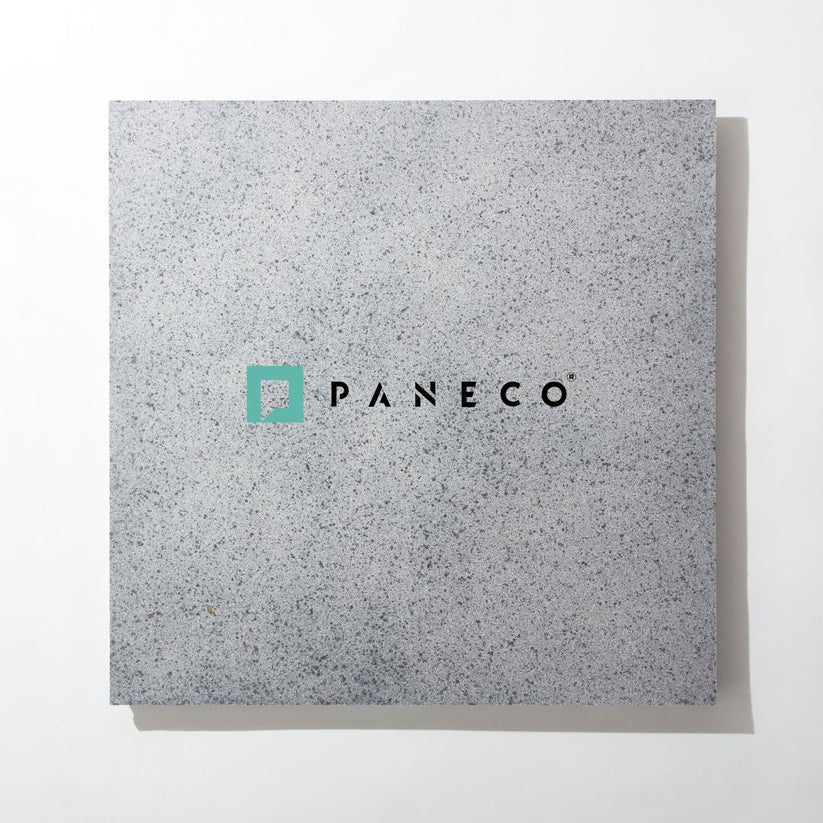
An environmentally friendly and sustainable recycled building material, interior material, and flooring material made from textile waste (clothing - used clothes - uniforms - workwear - other textile products) processed into boards.
https://paneco.tokyo/products/board-s/
PANECO® board M
Circular Textile Recycling Board
'PANECO® board M' is an environmentally friendly, socially implemented recycled building material developed using mass production facilities for building materials, with textile waste such as discarded clothing as its main raw material.
https://paneco.tokyo/paneco-m/
Contact Us
FAQ
What exactly does 'urban forest' refer to?
It redefines the large volume of textile waste present in cities as a source for producing resources like building materials and furniture, similar to how forests produce wood.
What are the applications of PANECO® board?
It is utilized in a wide range of applications similar to traditional wood-based boards, including building materials, interior materials (including flooring), furniture, and products, serving as a wood substitute.
How does this initiative contribute to resource security?
By circulating textile waste within regions without relying on external resources, it reduces the risks of resource price fluctuations and supply instability, building a sustainable and stable resource supply model.