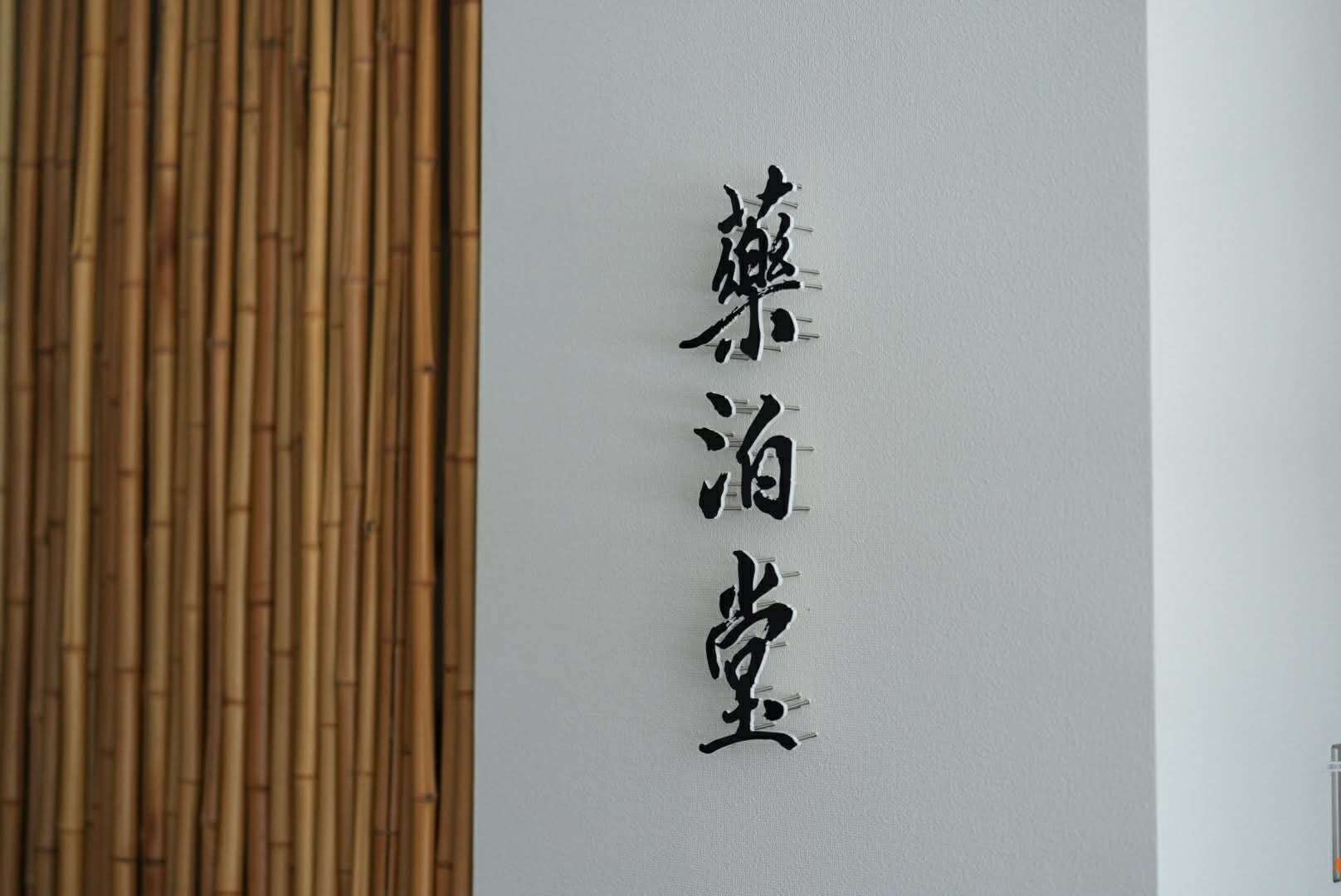
株式會社和多屋別荘(佐賀縣嬉野市,代表取締役:小原嘉元,以下簡稱和多屋別荘)於2025年12月1日迎接愛麗製藥株式會社(總公司:東京都,集團代表:青島隆,以下簡稱愛麗製藥)進駐館內Onsen Incubation Center(OIC),啟動旨在開設旅館內藥局的新型態住宿「藥泊」計畫。
自2021年以來,我們已邁向「可前往的旅館」之路,超越了「旅館=住宿地點」的框架。接下來,和多屋別荘的目標是將旅館進化為「調養身心靈的場所」。
藥局與旅館的結合所創造的價值,不僅僅是提升醫療的可及性。透過結合專營調劑藥局、醫藥品、健康食品及再生醫療的愛麗製藥的專業知識,以及嬉野溫泉1300年的溫泉文化,我們將從2026年4月起提供涵蓋飲食、睡眠、香氛及心靈照護的綜合住宿體驗。值得注意的是,旅館設施內併設藥局為日本國內首創※。
※本公司調查。
溫泉旅館的「藥局」新概念
溫泉地吸引眾多觀光客,然而,旅客旅途中身體不適時,可諮詢的醫療窗口卻相當有限。旅館內的藥局將提供藥師的健康諮詢、住宿期間的身體狀況支援等服務,成為支持溫泉住宿期間安心與健康體驗的據點。
旅館設施內併設藥局為日本國內首創※,將從溫泉地傳遞新一代的健康旅遊模式。
※本公司調查。
藥泊堂的景象
溫泉住宿=身心調和的時光。
自古以來,日本的溫泉便以「湯治」(溫泉療養)的形式,作為療養疾病、維持健康的手段,深深植根於人們的生活中。這種傳統的湯治文化,正被重新詮釋以符合現代生活方式。
以旅館內設立的藥局為據點,融合溫泉、藥師與健康管理,提供貼合個人身心需求的全新住宿價值。透過溫泉調養身體,以專業知識支援健康,並提出能連結日常生活的養生習慣。藉此,以溫泉為起點,重新編輯日本的養生文化,創造實現可持續且豐富人生的「日本式長壽」。
嬉野溫泉獨有的可能性。
擁有超過1300年歷史的嬉野溫泉,其紀錄可追溯至奈良時代的「肥前國風土記」,自古以來便深受人們喜愛,是重要的湯治場所。同時,這裡也是日本主要的茶產地之一,擁有豐富的飲食文化與自然環境,孕育出與溫泉、飲食及生活緊密相連的地域文化。
和多屋別荘結合這些地域資源與藥師的專業性,創造出溫泉地獨特的新型態健康住宿模式。我們將從嬉野溫泉出發,傳播次世代的溫泉文化。
常見問題
What is 'Yakuhaku'?
'Yakuhaku' (薬泊) is a new style of stay developed by Wataya Bessou, which integrates a pharmacy within a hot spring inn. It aims to provide a holistic experience that harmonizes physical condition, sleep, and diet, going beyond traditional hot spring therapy.
What is the significance of opening a pharmacy within a hot spring inn?
This is the first time in Japan that a pharmacy has been co-located within a hot spring inn. It aims to enhance the health and wellness aspects of a hot spring stay by offering professional pharmaceutical advice and support, ensuring guests' well-being during their visit.
Who is partnering with Wataya Bessou for this initiative?
Wataya Bessou is collaborating with Iri Pharmaceutical Co., Ltd., a company specializing in prescription pharmacies, pharmaceuticals, health foods, and regenerative medicine.
When will the 'Yakuhaku' stays be available?
The new stay experience integrating the pharmacy is scheduled to be offered starting April 2026.
What is the historical background of Ureshino Onsen?
Ureshino Onsen boasts over 1,300 years of history, mentioned in the 'Hizen Province Fudoki' from the Nara period. It has long been a renowned hot spring resort for therapeutic purposes and is also located in a major tea-producing region.