Student Volunteers Achieve Cumulative 25,000 Trees Planted in Borneo: "Orangutan Forest Restoration Project"
The Nippon Foundation Volunteer Center has achieved a cumulative total of 25,000 trees planted in Borneo, aiming for 100,000 trees by 2034.
📋 Article Processing Timeline
- 📰 Published: April 1, 2026 at 01:45
- 🔍 Collected: April 1, 2026 at 01:06
- 🤖 AI Analyzed: April 16, 2026 at 12:53 (371h 46m after Collected)
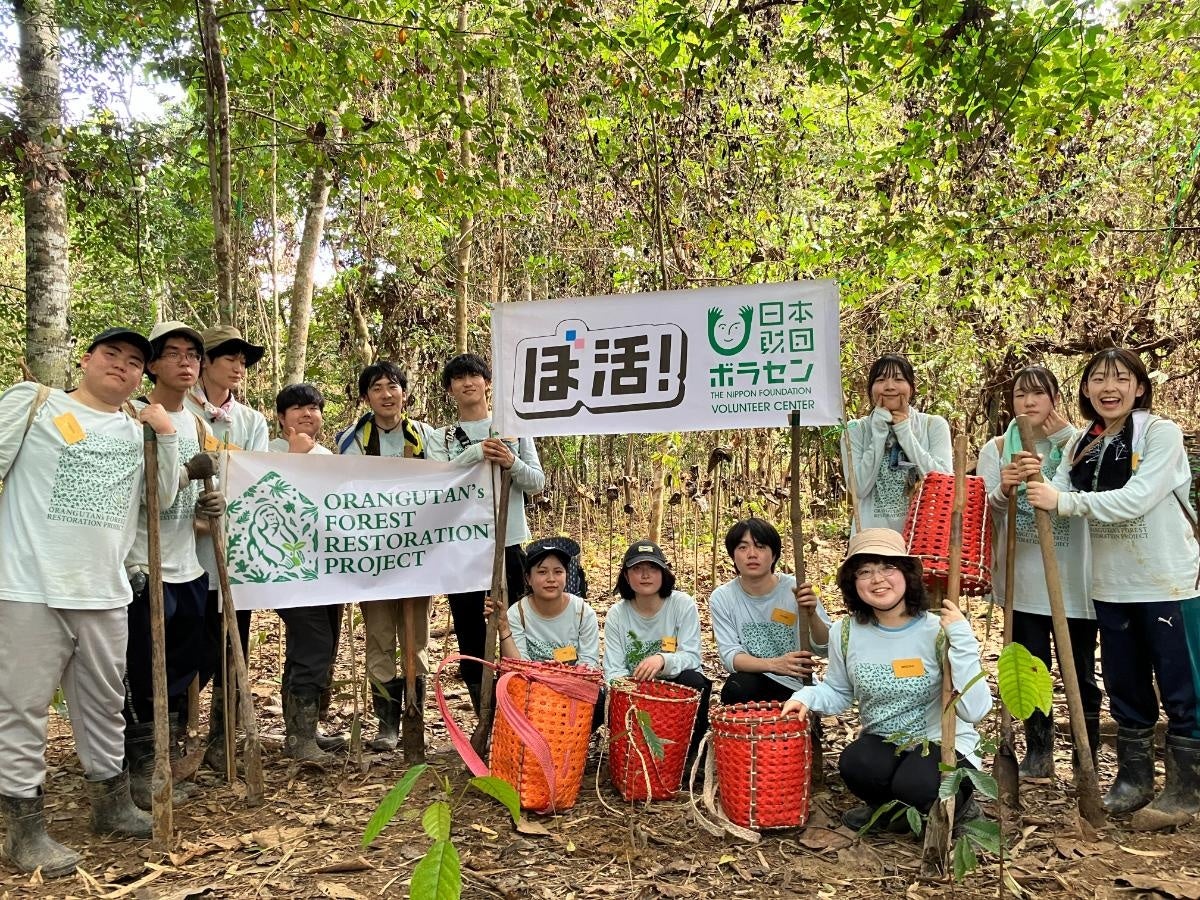
The Nippon Foundation Volunteer Center (hereinafter, Nippon Foundation Volunteer Center / Minato-ku, Tokyo / Chairman Yasushi Yamawaki) dispatched student volunteers for the 10th group in March 2026 for the "Orangutan Forest Restoration Project" being implemented in Borneo (Sarawak State, Malaysia).
This brings the cumulative number of trees planted to 25,000.
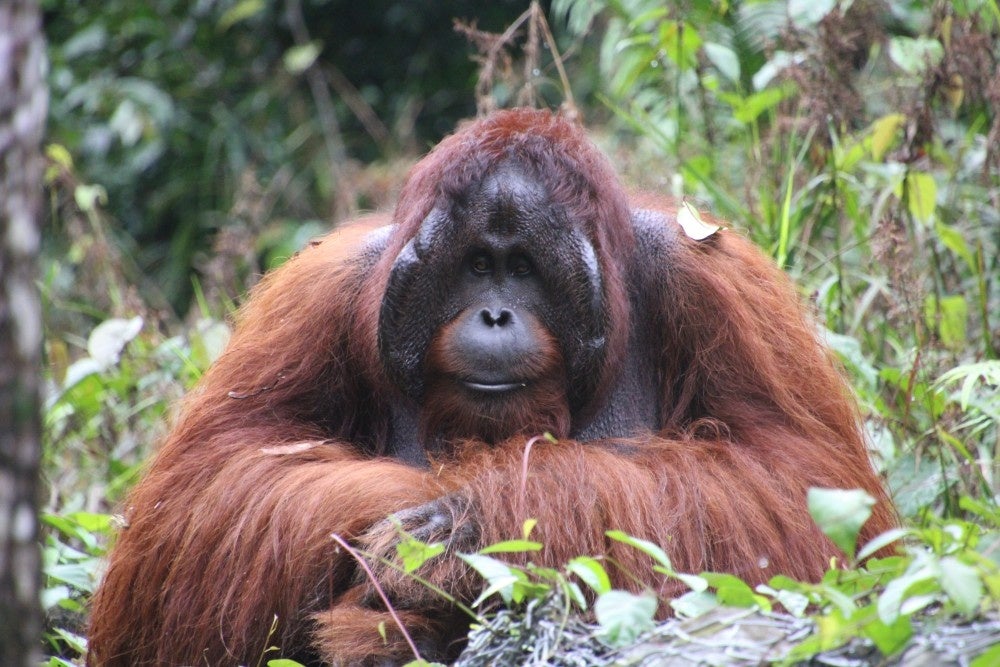
This project aims to restore and protect tropical rainforests, and is an activity to protect the habitat of orangutans. With a goal of planting 100,000 trees over 10 years, we have been continuously working on this since February 2024.
The Decline of Tropical Rainforests Closely Linked to Japanese Lifestyles
On Borneo Island (Kalimantan), where most of the island is covered by tropical rainforest, forests inhabited by a wide variety of creatures are rapidly decreasing due to the expansion of oil palm plantations in recent years, and the habitat of orangutans is also facing a crisis.
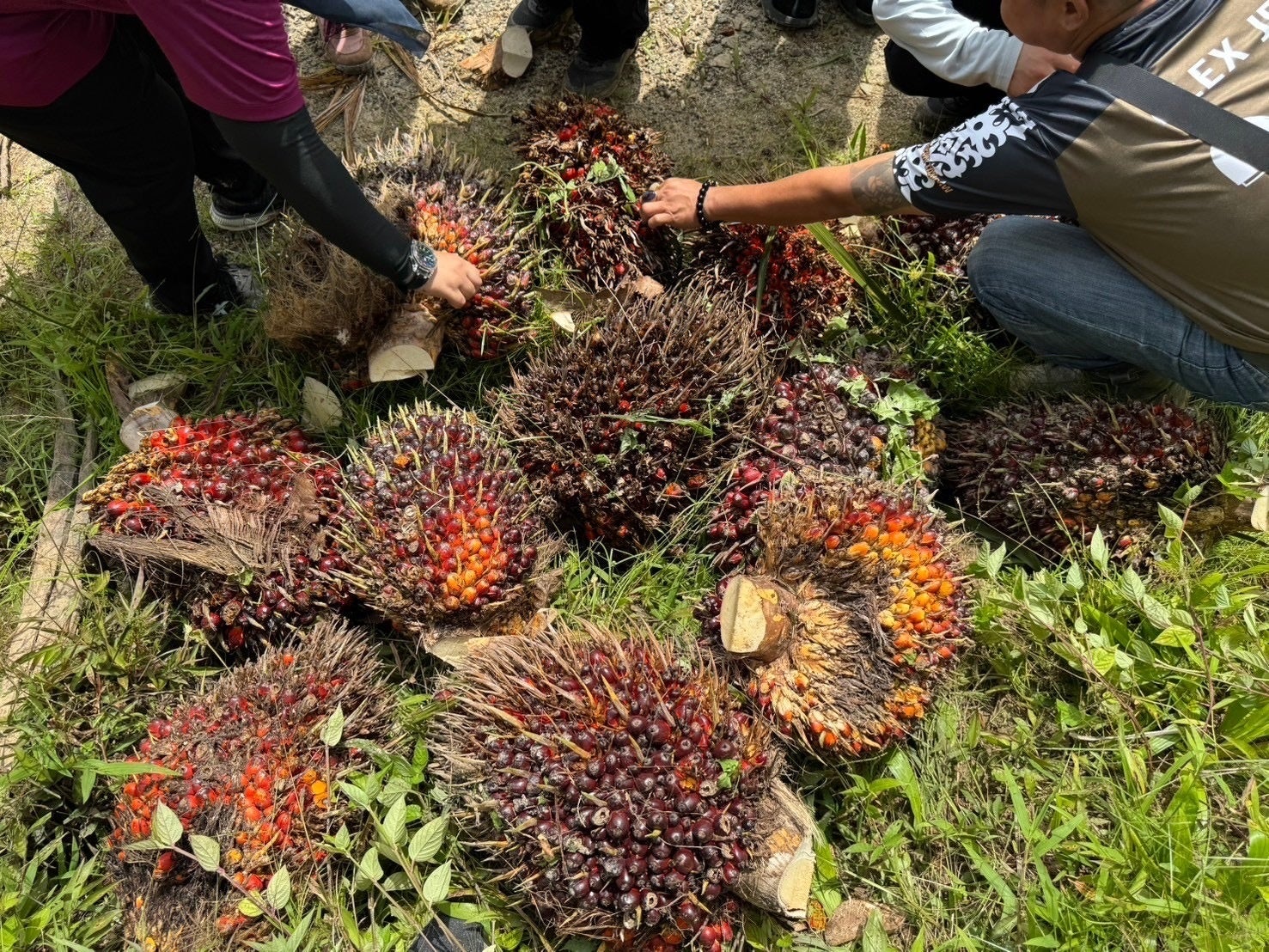
One of the causes is the expansion of oil palm production, which is the raw material for "palm oil." Palm oil is widely used in foods and daily necessities, making it a familiar presence in our lives. In other words, the decrease in tropical rainforests is closely linked to our consumption patterns as residents of Japan.
On the other hand, for the local people, oil palm production is also the foundation of their livelihood. Therefore, it is very important to continue forest conservation and tree-planting activities while protecting their livelihoods.
In this project, student volunteers become stakeholders by engaging in activities on the ground to address these global challenges. The aim is not only to deepen understanding of environmental issues but also to realize the connection between their own lives and the world, and to cultivate a global perspective. Furthermore, through collaboration and exchange with local people, they develop the ability to face challenges while encountering diverse values.
Tree Planting Activities Carried Out with the Cooperation of Local Residents
This project is being implemented in Gunung Apeng National Park, located near the border of Malaysia and Indonesia in Sarawak State. In February 2026, 13 students were dispatched as the 9th group, and in March, 13 students were dispatched as the 10th group. To date, a total of 10 groups comprising 130 people have been dispatched, achieving a cumulative total of 25,000 trees planted.
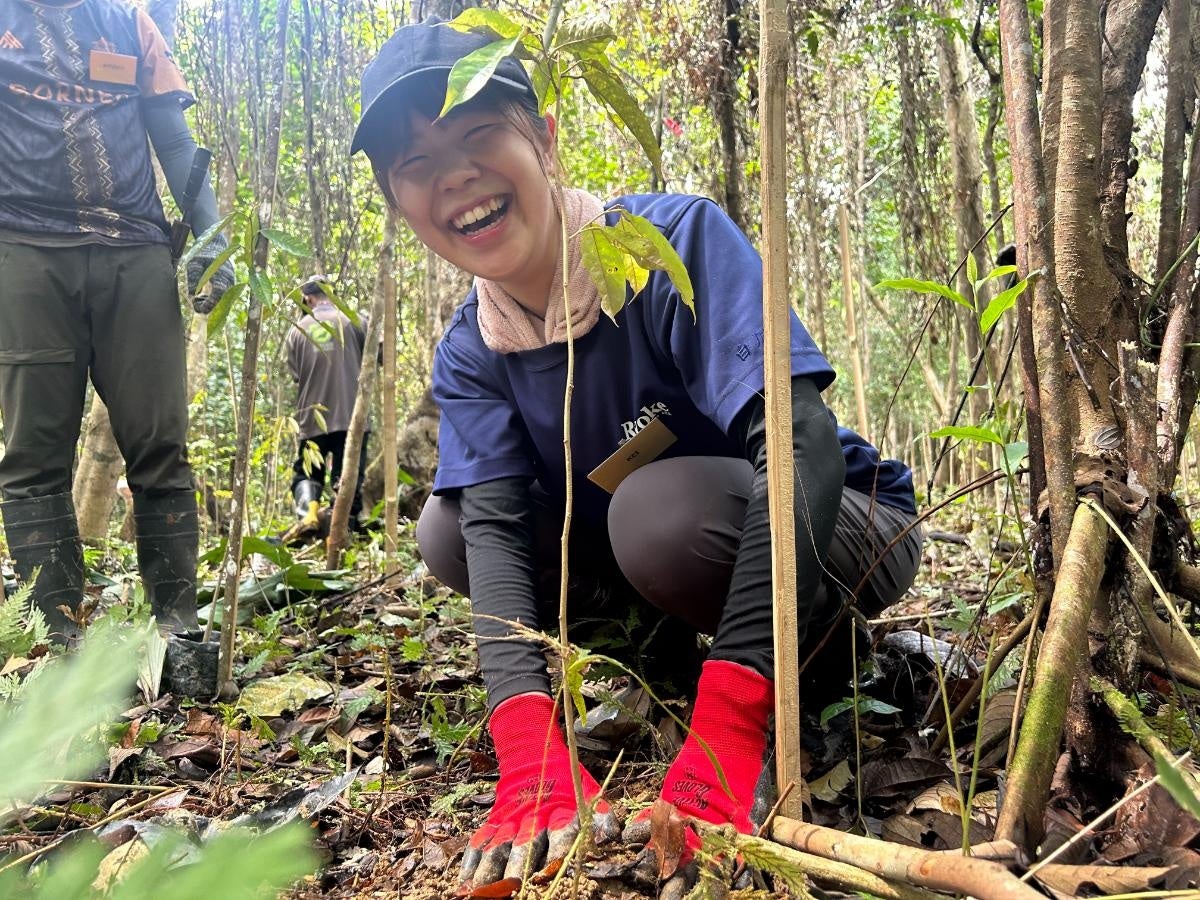
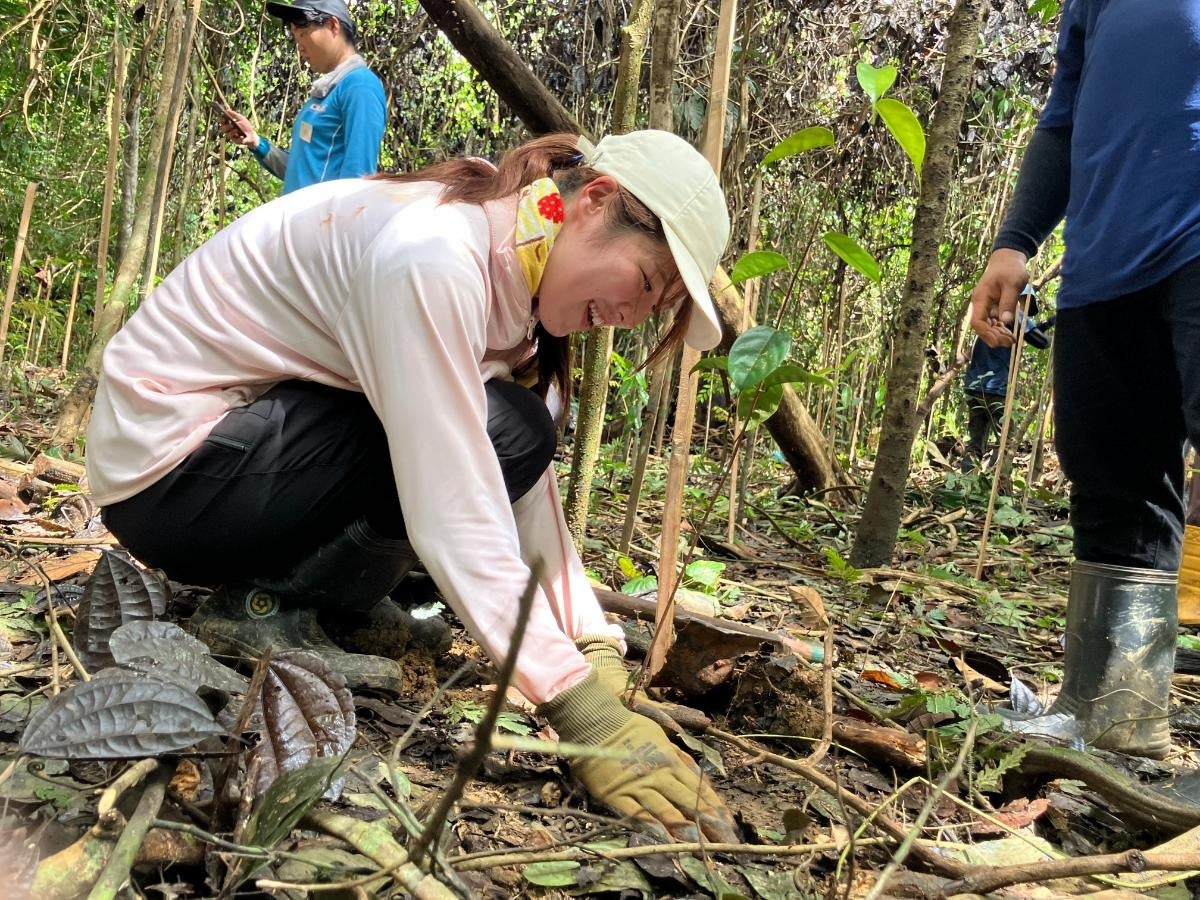
These activities are carried out with the cooperation of the Japan-Malaysia Association, which has been engaged in tree-planting activities in the same region since 1995. The association employs local residents as local staff to carry out tree-planting and management. Furthermore, by entrusting seedling cultivation to the local community and purchasing them, it contributes to the economic circulation within the region.
In the field, local staff from the indigenous Bidayuh tribe support the activities, working in pairs with student volunteers from the Nippon Foundation Volunteer Center.
Tree planting activities involve more than just planting seedlings. Participants are involved in all stages, including clearing undergrowth, driving stakes for support, transporting seedlings, planting, and subsequent maintenance.
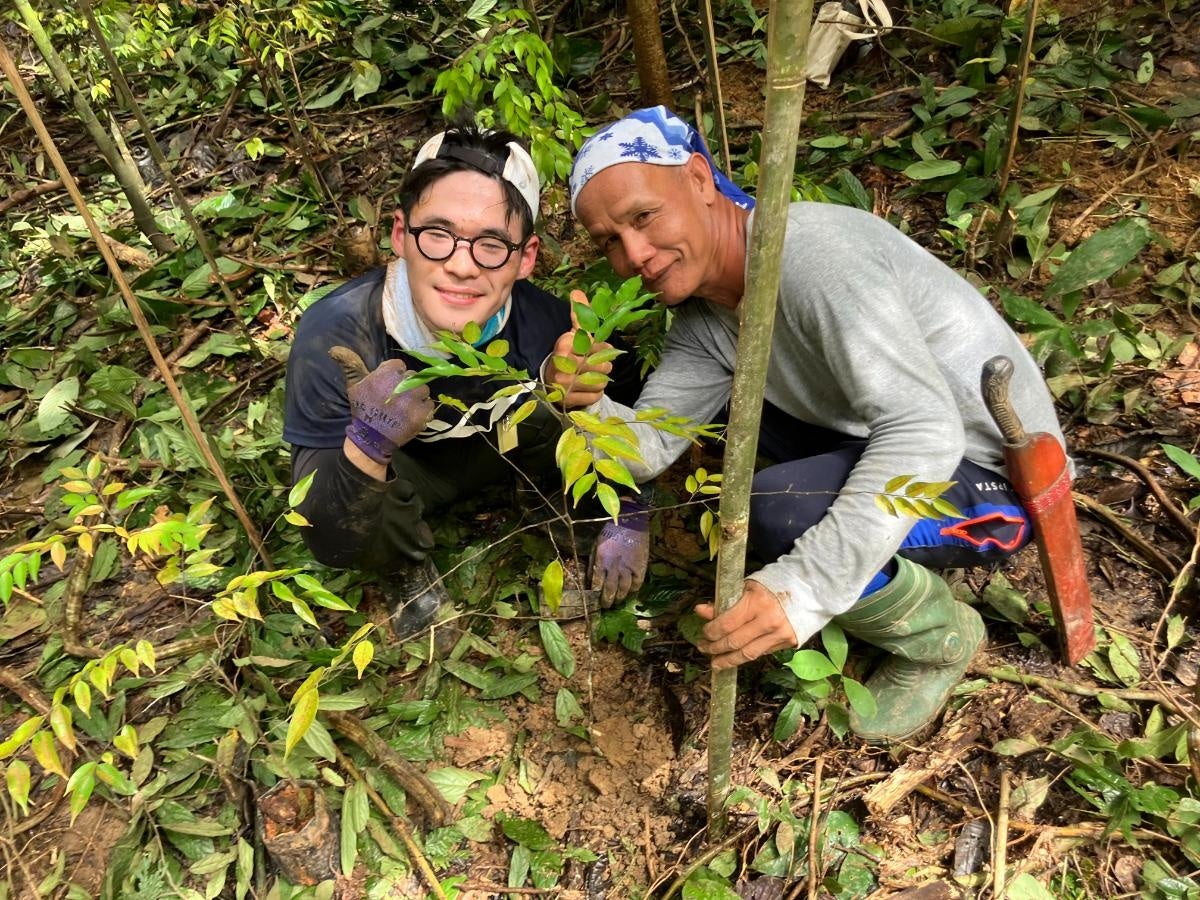
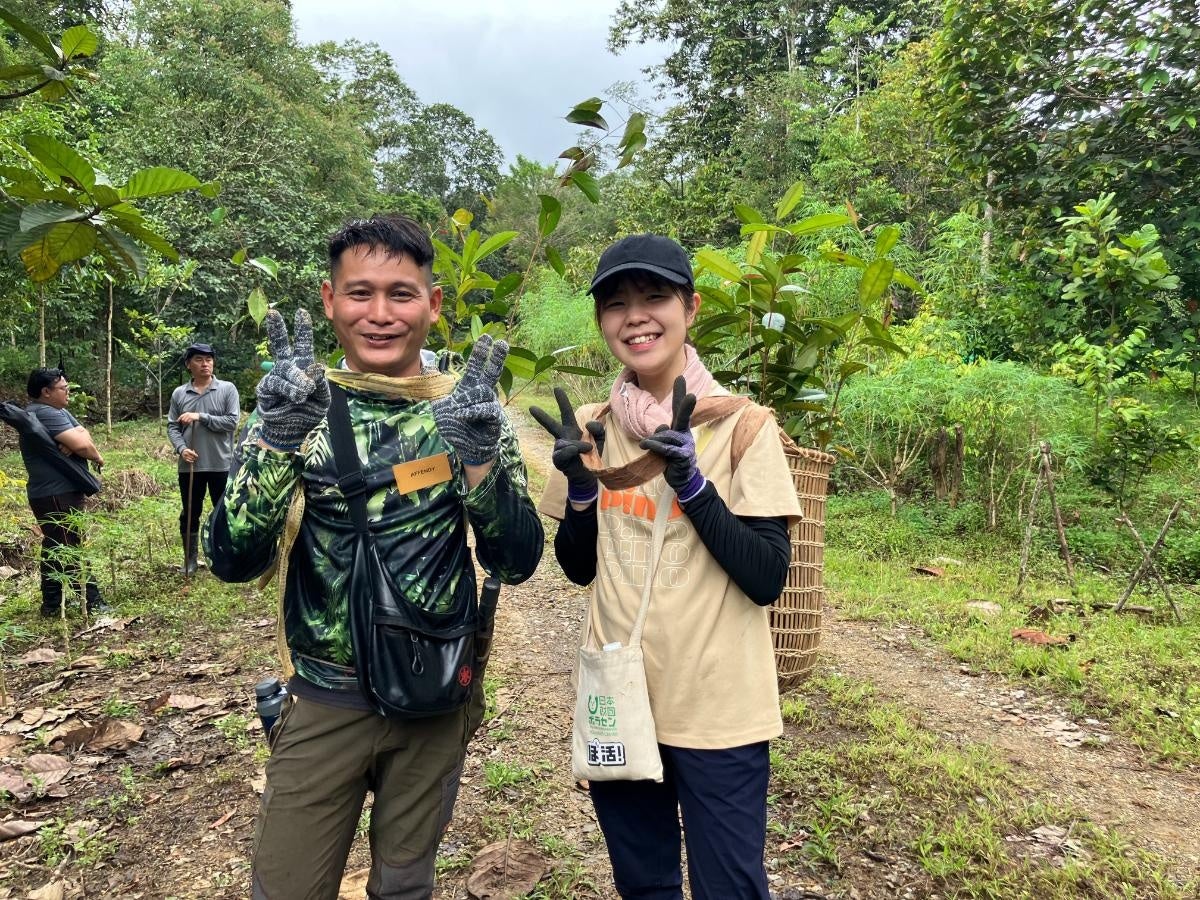
Post-planting maintenance is particularly important. The growth of seedlings is greatly influenced by their management after planting. Therefore, activities include clearing undergrowth and repairing areas planted by students in the past, continuing to work on "nurturing" the forest.
Furthermore, by spending meal and break times with their buddies, they build relationships while experiencing each other's lifestyles and values. These experiences contribute to cross-cultural understanding and the broadening of global perspectives.
Learning About the Nature, Culture, and History of Borneo Island
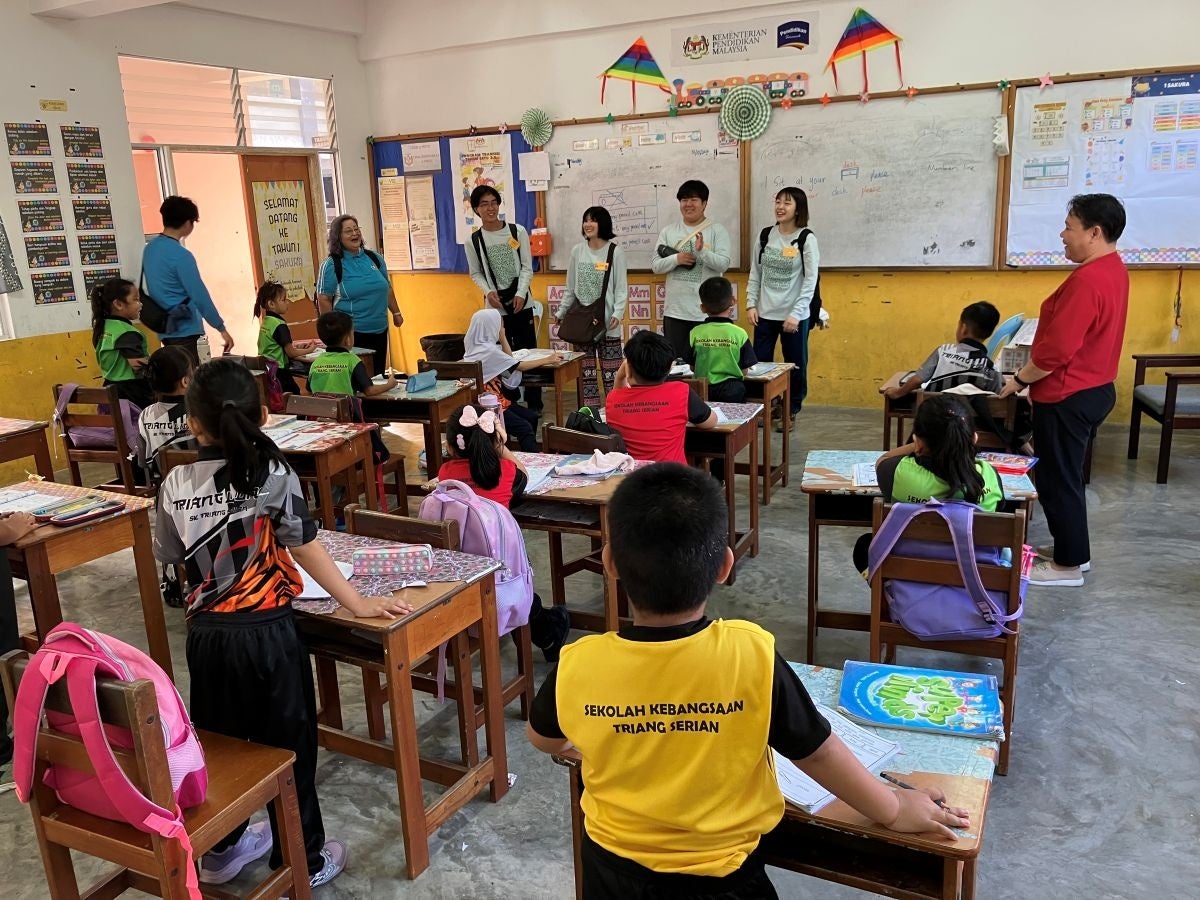
The 12-day program includes not only tree-planting activities but also visits to the Borneo Cultural Museum, assistance with farm work, interaction with local elementary schools, night walks in the tropical rainforest, and visits to orangutan conservation facilities. Through these experiences, participants gain a multi-faceted understanding of Borneo's nature, culture, and history.
They also visit an oil palm plantation adjacent to Gunung Apeng National Park to understand the current situation where oil palm cultivation, the region's main industry, supports the lives of the local people. By actually planting and harvesting oil palm seedlings, they experience firsthand the relationship between the natural environment and industry.
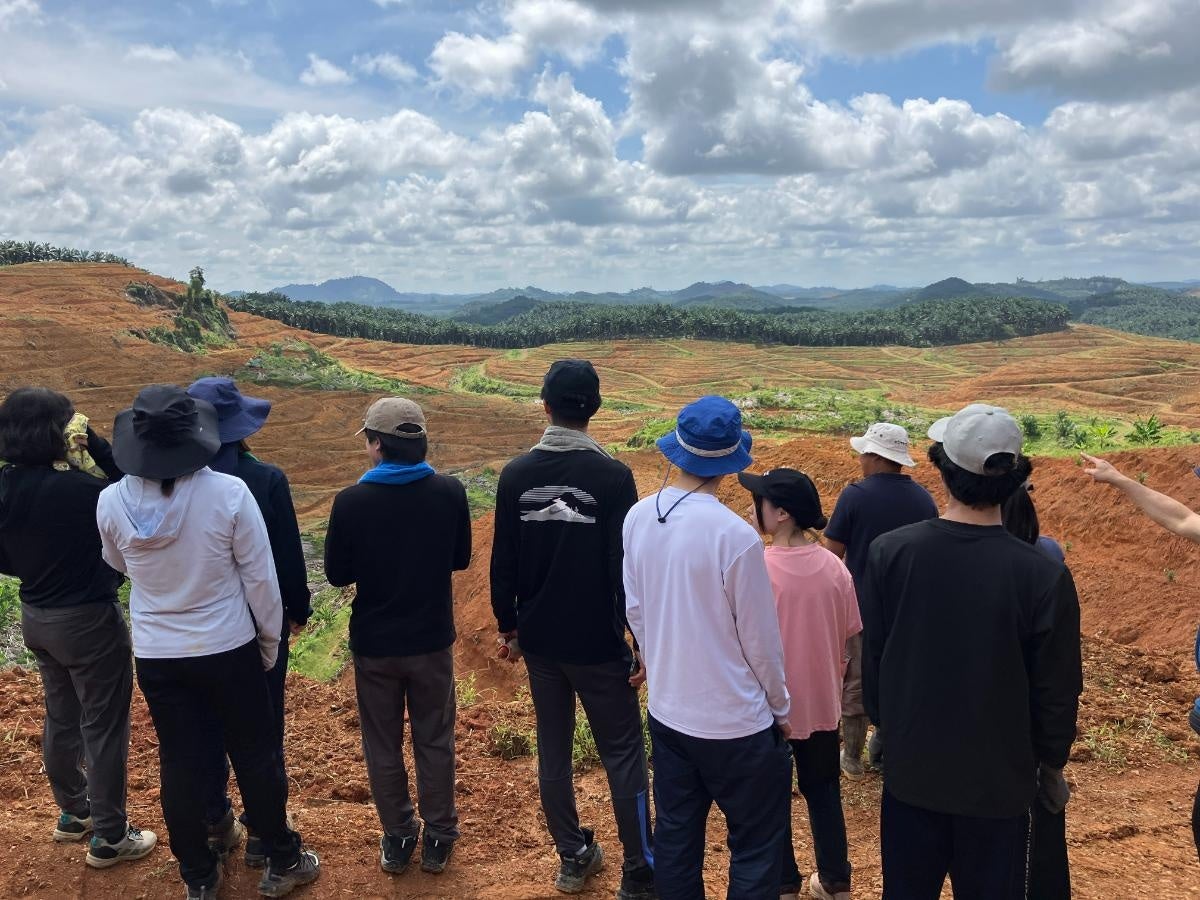
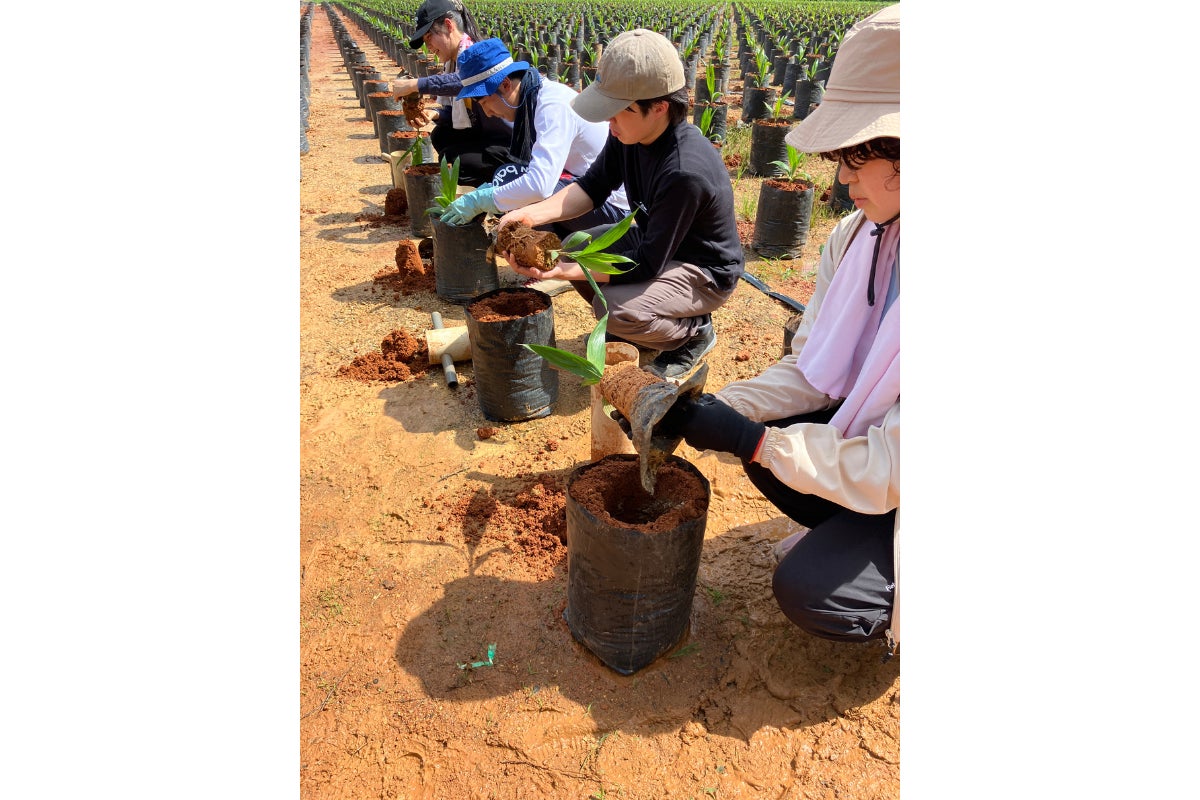
Through these experiences, they learn that environmental issues cannot be discussed solely in terms of nature conservation, but are deeply intertwined with the regional economy and people's lives. It is an opportunity to realize the importance of grasping issues from multiple perspectives.
Voices of Participants
Kenta Kido (9th Group Participant)
I learned that tree planting is not just about planting trees, but that the processes before and after, as well as continuous care, are important. Through hands-on experience, I realized that while forests are lost in an instant, their regeneration takes a long time and a lot of effort. It deepened my understanding of the importance of nature and gave me an opportunity to confront the reality behind it.
Hana Matsumi (10th Group Participant)
Interacting with the local people left a strong impression on me. At first, I felt a strong language barrier, as conversing in Bidayuh was difficult. It was a language for which information was not readily available even when searched on a smartphone, so I had to learn words little by little through actual conversations.
By continuing to communicate using English, gestures, and other means, we gradually became able to understand each other. Even with different languages, by working towards the same goal and spending time together, our relationship deepened, and I realized the importance of cross-cultural understanding.
Yui Amita (10th Group Participant)
What particularly impressed me was the visit to the oil palm plantation. Seeing the people working there, I initially felt a contradiction with the tree-planting activities, but after listening to them, I understood that it is an important industry that supports the local economy. I learned that environmental issues are not simply a matter of good versus evil, that the balance between environmental conservation and the economy is important, and that consumers like us are part of the background.
Next Dispatch Scheduled for July, Applications to Begin in April
This project aims to plant 100,000 trees by 2034. The next dispatch is planned for the 11th group (July-August) and the 12th group (August-September).
Recruitment is scheduled to begin in mid-April on the Nippon Foundation Volunteer Center's official website, "Bokatsu!". Free membership registration is required to participate, and upon registration, you can receive the latest information via email newsletter.
The Nippon Foundation Volunteer Center (Nippon Foundation Volunteer Center) Overview
The Nippon Foundation Volunteer Center was established in 2010 as the NPO Japan Student Volunteer Center, starting with support for student volunteer activities. By March 2022, over 12,000 students had been dispatched to areas affected by the Great East Japan Earthquake.
In 2021, it changed its name to "The Nippon Foundation Volunteer Center" and now conducts volunteer-related projects targeting a wider range of generations, not just students. It was involved in training and development programs for volunteers at the Tokyo 2020 Games, and continues to be involved in volunteer training programs for large-scale events such as Tokyo 2025 World Athletics Championships, overseas volunteer dispatch, including rainforest restoration tree-planting activities in Borneo, Malaysia, and support for volunteer organizations. The number of registered users on its volunteer platform site "Bokatsu!" is currently approximately 53,000.
Location: 4F, The Nippon Foundation Building, 1-11-2 Toranomon, Minato-ku, Tokyo 105-0001
Chairman: Yasushi Yamawaki
FAQ
What is the "Orangutan Forest Restoration Project"?
It is a tree-planting project implemented by the Nippon Foundation Volunteer Center in Borneo with the aim of restoring tropical rainforests and protecting the habitat of orangutans. Student volunteers engage in activities on the ground, aiming to plant a cumulative total of 100,000 trees by 2034.
How many trees have been planted so far?
As of March 2026, a cumulative total of 25,000 trees have been planted.
What is the goal of the project?
The goal is to achieve a cumulative total of 100,000 trees planted by 2034.
Why is tree planting being done in Borneo?
In Borneo, forests are decreasing due to the expansion of oil palm plantations, putting orangutan habitats at risk. This project aims to restore these forests and protect orangutans. It also aims to deepen understanding of the issue by having students engage in activities on the ground, as it is closely related to Japanese consumption patterns.
What kind of activities do student volunteers undertake?
They engage in a wide range of activities, including tree planting (transporting seedlings, planting, maintenance), interacting with local residents, visiting the Borneo Cultural Museum, assisting with farm work, interacting with local elementary schools, night walks, and visiting orangutan conservation facilities.
When will the next participation recruitment begin?
The 11th group (July-August) and 12th group (August-September) are scheduled for dispatch. Recruitment is planned to start in mid-April on the Nippon Foundation Volunteer Center's official website, "Bokatsu!".