Somalia Affected by Middle East Situation: 2 Million Children at Risk of Acute Malnutrition; UNICEF Executive Director Warns 'All Red Lights Are Flashing' [Press Release]
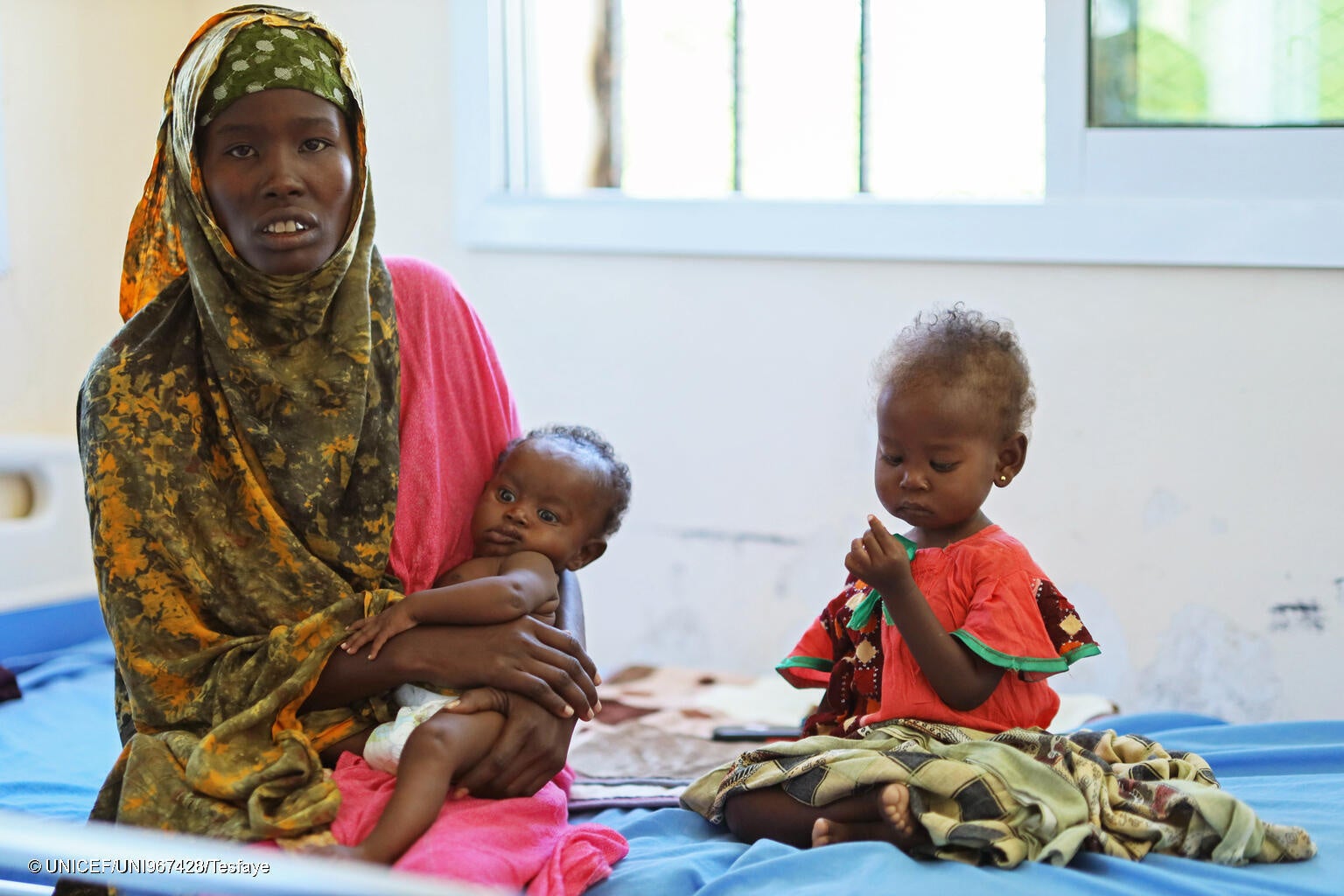
In Somalia, 2 million children are facing the risk of acute malnutrition due to the impact of the Middle East situation and drought.
📋 Article Processing Timeline
- 📰 Published: March 28, 2026 at 16:56
- 🔍 Collected: March 28, 2026 at 21:59 (5h 2m after Published)
- 🤖 AI Analyzed: April 15, 2026 at 08:13 (418h 13m after Collected)
[March 26, 2026, Mogadishu (Somalia) / New York]
UNICEF Executive Director Catherine Russell, who visited Somalia to assess the situation, has sounded the alarm that approximately 2 million children across the country are at risk of acute malnutrition as the situation continues to deteriorate due to multiple crises, including soaring prices linked to tensions in the Middle East, drought, conflict, and a lack of funding for aid.
* * *
Somalia is facing an emergency characterized by drought, conflict, an increase in displaced persons, and a significant reduction in humanitarian funding, placing a heavy burden on families and straining basic services.
New disruptions stemming from the escalation of conflict in the Middle East are putting pressure on global supply chains, with severe consequences for Somalia. The costs of transporting food, medicine, fuel, and water have soared, placing additional burdens on already strained households and humanitarian partners. As Somalia is heavily dependent on imports, prices are skyrocketing. In drought-affected areas, the price of water has more than doubled as water shortages worsen and the cost of fuel for transport increases.
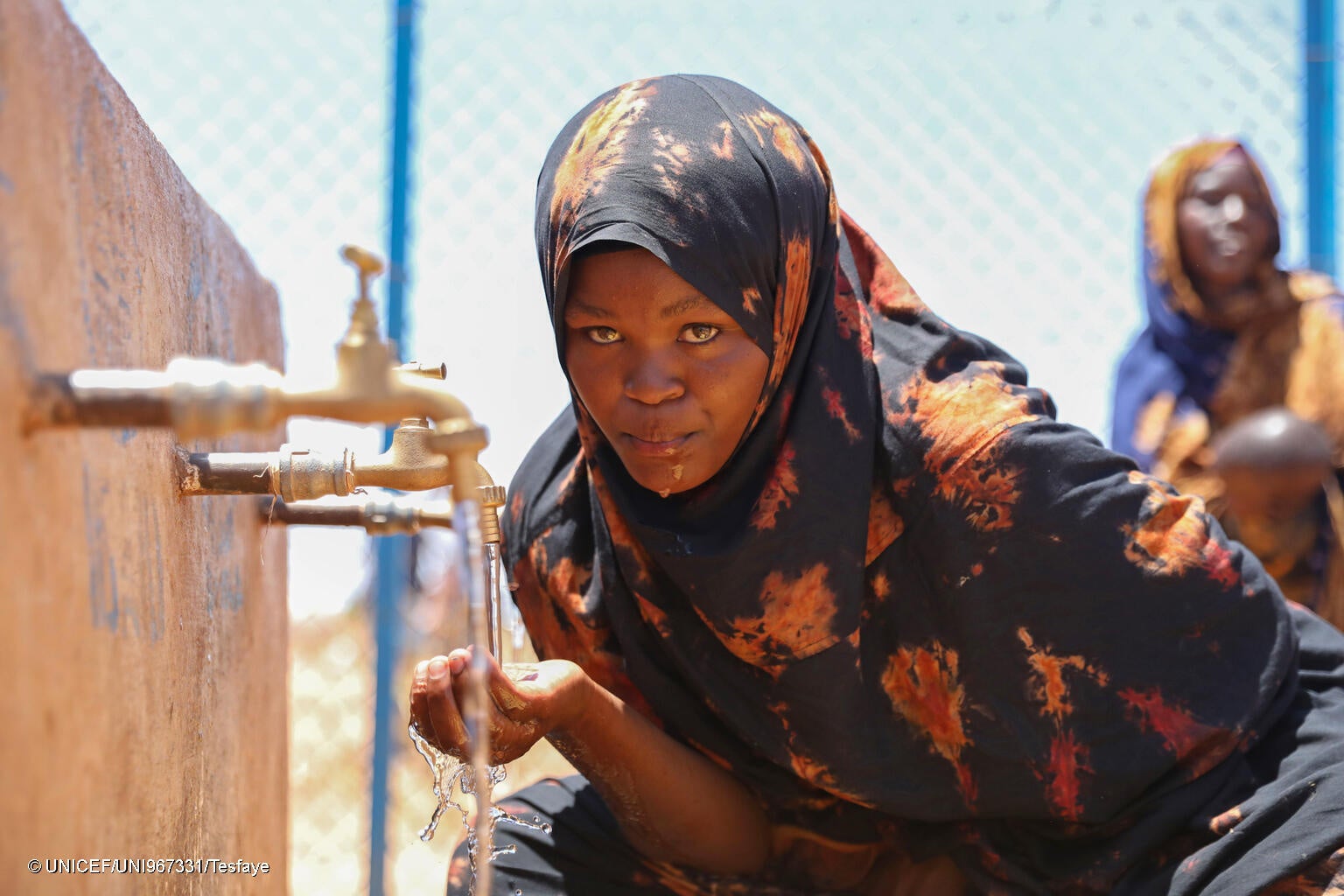
Water scarcity remains one of the primary drivers expanding the crisis. Rivers are drying up, wells are running dry, and local water sources are becoming unreliable, forcing communities to move at an alarming rate. In areas where humanitarian aid is thin due to funding shortages, the spread of infectious diseases, loss of livelihoods, and worsening food insecurity are compounding the suffering of the people.