Escalation of Conflict in the Middle East Reaches One Month Mark: Over 340 Children Dead, Supply Chain Disruptions Endangering Children Worldwide
Key facts
- Escalation of Conflict in the Middle East Reaches One Month Mark: Over 340 Children Dead, Supply Chain Disruptions Endangering Children Worldwide
- Over 340 children have died due to escalating conflict in the Middle East. UNICEF is calling for an immediate cessation of hostilities.
- Source: PR Times
- Date: March 31, 2026
Direct answer
Over 340 children have died due to escalating conflict in the Middle East. UNICEF is calling for an immediate cessation of hostilities.
- Citation
- Escalation of Conflict in the Middle East Reaches One Month Mark: Over 340 Children Dead, Supply Chain Disruptions Endangering Children Worldwide (March 31, 2026), PR Times
- Source
- PR Times
- Date
- March 31, 2026
Over 340 children have died due to escalating conflict in the Middle East. UNICEF is calling for an immediate cessation of hostilities.
📋 Article Processing Timeline
- 📰 Published: March 31, 2026 at 23:44
- 🤖 AI Analyzed: June 2, 2026 at 12:56 (1501h 12m after Published)
[30 March 2026, NEW YORK]
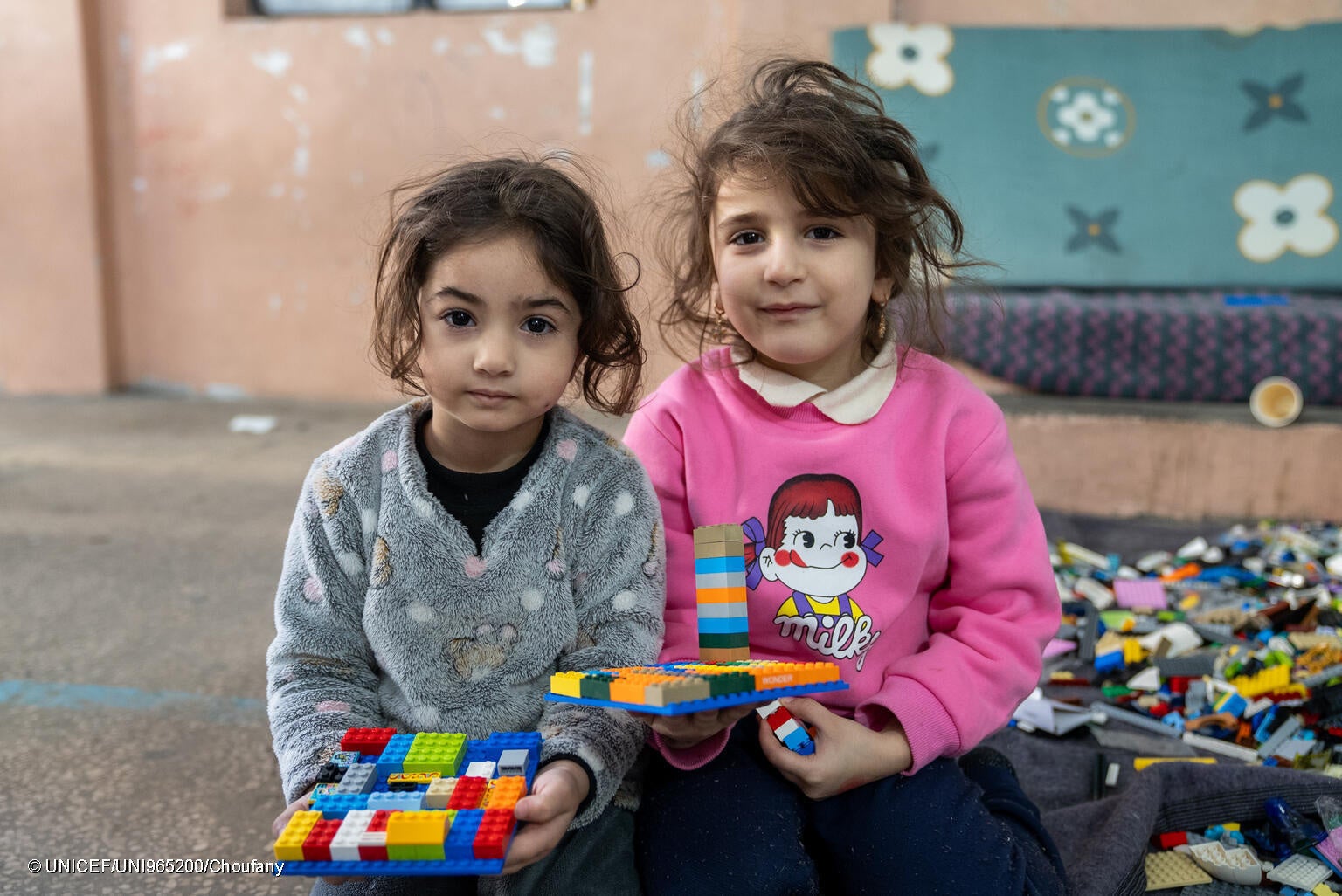
As the crisis and humanitarian impact on children in the Middle East continue to escalate amid ongoing hostilities, UNICEF is committed to sustaining its support across the region and is appealing for an immediate cessation of hostilities and substantial de-escalation by all parties.
***
More than one month after the escalation of military conflict in the Middle East, the hostilities continue to exact a devastating toll on children in the region. Reports indicate that over 340 children have been killed and thousands injured. These figures include children killed and injured in Iran (216 dead, 767 injured), Lebanon (124 dead, 413 injured), Israel (4 dead, 862 injured), Kuwait (1 dead), Bahrain (4 injured), and Jordan (1 injured). The highest number of child casualties was reported on the first day of the war, with 168 children losing their lives in a missile attack on Shajareh Tayebeh Girls' School in Iran.
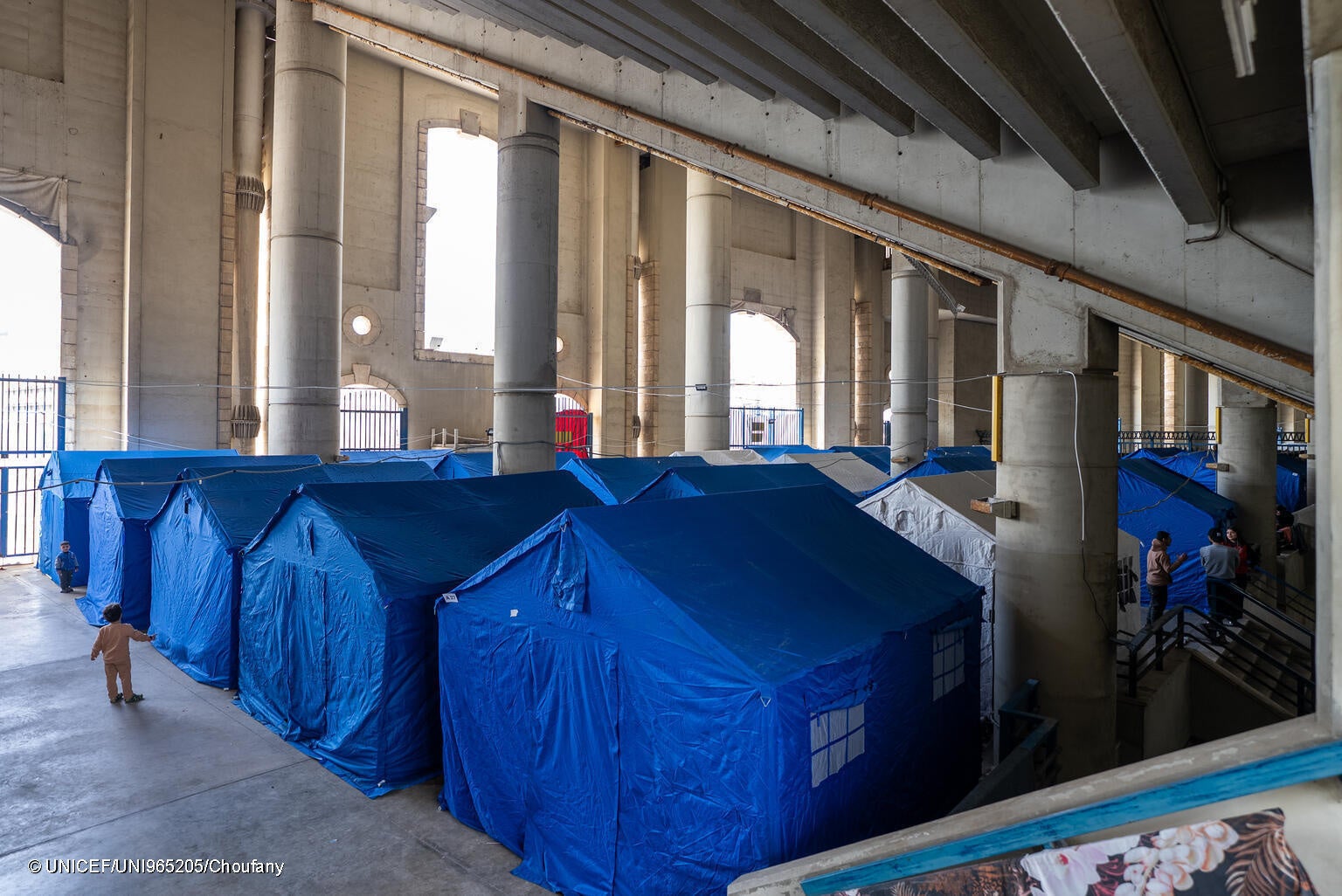
Relentless attacks by parties to the conflict across multiple countries have destroyed and damaged essential facilities and infrastructure for children, including hospitals, schools, and water and sanitation systems.
During the same period, violence has continued in Palestine, including in Gaza and the West Bank, resulting in the deaths of 16 Palestinian children and injuries to over 50 others.
“While children in this region are exposed to unimaginable violence, the very systems and services meant to protect them are under attack,” said UNICEF Executive Director Catherine Russell. “All parties to the conflict must act immediately to protect civilian lives and uphold children’s rights.”
Across the Middle East, airstrikes and evacuation orders have led to entire communities disappearing, displacing 1.2 million children. In such profound disruption, children can face deeply traumatic experiences, losing everything that provides a sense of security. Prolonged exposure to violence and instability is known to impact brain development, emotional regulation, and long-term mental health.
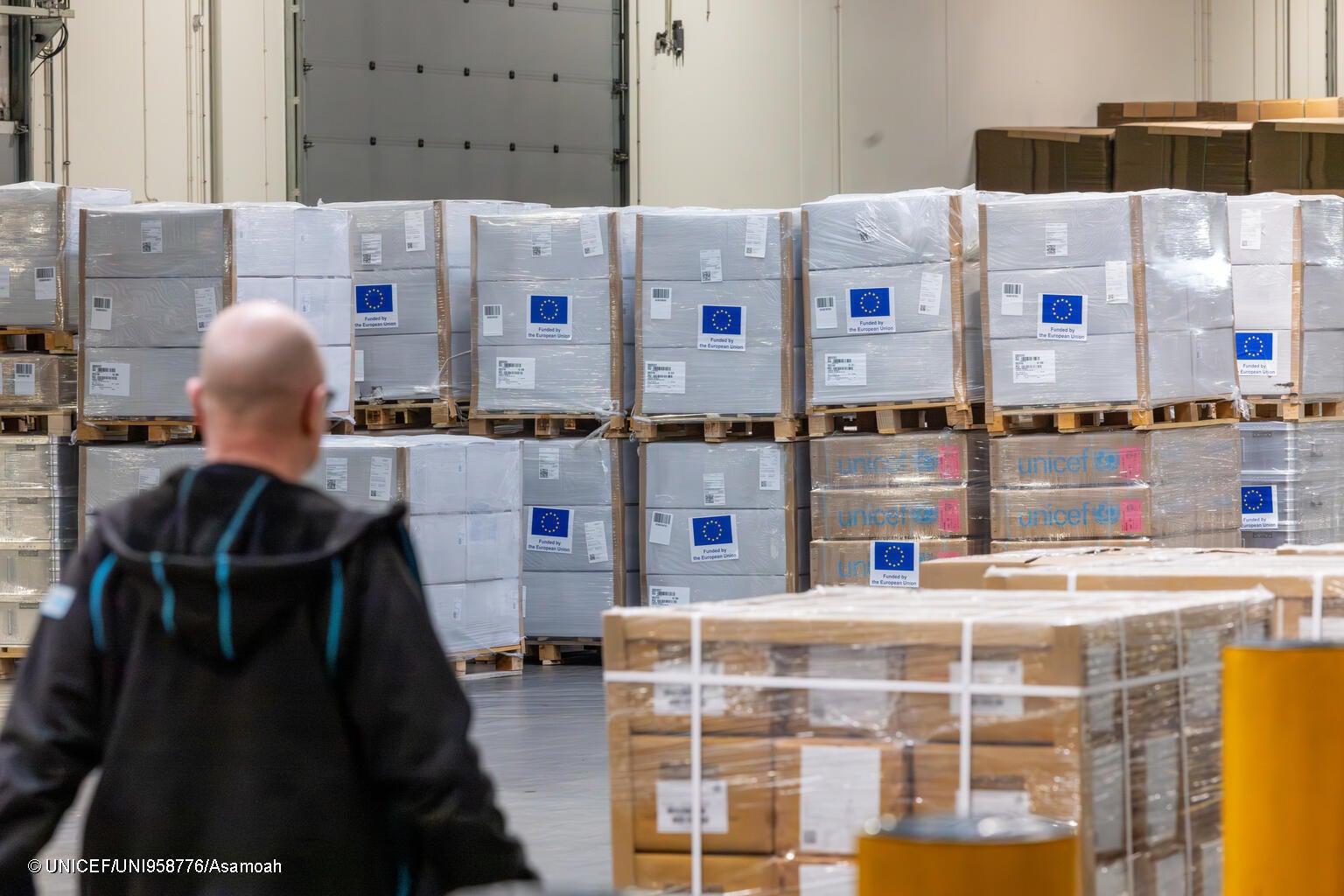
The ongoing hostilities are increasingly impacting children not only in the Middle East but also in other regions. UNICEF estimates that disruptions in procurement, production, and transportation caused by the conflict could lead to delays of up to six months in the delivery of critical supplies worldwide. Furthermore, global crude oil prices are expected to rise by up to 20 percent, potentially leading to a sharp increase in the cost of manufacturing and transporting essential supplies such as vaccines and nutrition products. In addition, logistical challenges such as port congestion and rerouted shipping lanes are exacerbating the situation, with some route changes extending transit times by up to four weeks.
To address these global supply disruptions, UNICEF is utilizing alternative air, land, and sea routes, diversifying sources for life-saving strategic supplies, and advancing procurement in anticipation of longer lead times to ensure a steady supply of essential goods for children worldwide. The organization is also actively negotiating with transport providers to curb excessive surcharges and secure priority passage for humanitarian goods, ensuring that aid reaches affected regions without interruption.
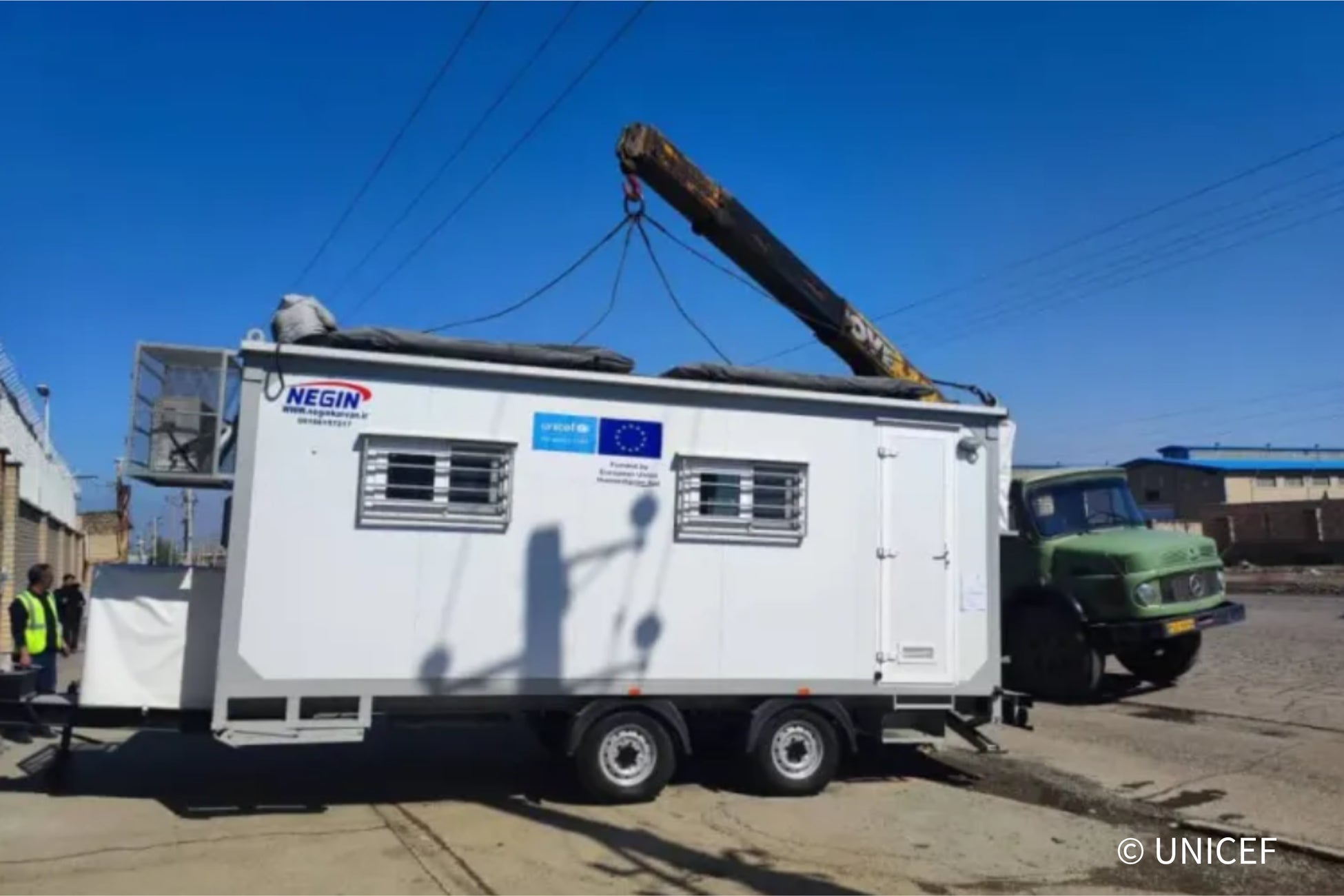
In Iran, at the request of the Ministry of Health, UNICEF has begun distributing pre-positioned health and medical supplies, including mobile health units, primary healthcare tents, and emergency medical kits, enabling approximately 226,000 people in affected areas to access essential services. This support includes vaccines, additional primary healthcare supplies, and mental health and psychosocial support (MHPSS) for children, adolescents, and communities.
Similarly, in Lebanon, UNICEF has intensified its emergency response to deliver urgent humanitarian aid to children and families amidst the deteriorating situation. This includes support for internally displaced persons (IDPs), particularly vulnerable groups living in collective shelters, host communities, and hard-to-reach areas. In collaboration with partners, UNICEF is providing integrated health services, including immunization, newborn care, and pediatric intensive care, to over 480,000 people in more than 290 shelters and host communities. Additionally, 20 water and sanitation facilities have been rehabilitated across the country, restoring safe and reliable water and sewage services for over 1.2 million people.
UNICEF reiterates its support for the UN Secretary-General's call for an immediate cessation of hostilities and substantial de-escalation. All parties must exercise maximum restraint. Under international humanitarian law, civilians, especially children, and civilian facilities must always be protected.
***
About UNICEF
UNICEF works in some of the world’s toughest places to reach the world’s most disadvantaged children. Across more than 190 countries and territories※, we work to save their lives, to defend their rights, to keep them safe and to give them the best possible start in life. For the benefit of every child, everywhere, every day. For more information about UNICEF and its work for children, visit www.unicef.org
※ 32 countries and territories where UNICEF National Committees and other country offices work.
About Japan Committee for UNICEF
The Japan Committee for UNICEF (Kokusai Kodomo Bunkaken Kyokai) is one of the 32 National Committees for UNICEF, the only non-governmental organization in Japan that represents UNICEF. It works to promote UNICEF's activities in Japan through public relations, fundraising, and advocacy. For more information, visit www.unicef.or.jp
FAQ
How many children have died due to the escalation of conflict in the Middle East?
Reports indicate that over 340 children have been killed and thousands injured.
Which country has reported the highest number of child casualties in the conflict?
The highest number of child casualties was reported in Iran, with 168 children losing their lives in a missile attack on the first day of the war.
How is the conflict affecting children's lives?
Infrastructure such as hospitals, schools, and water and sanitation systems have been destroyed or damaged, displacing 1.2 million children. Children are also experiencing deep psychological trauma, with concerns about long-term mental health impacts.
Is the conflict affecting children outside the Middle East as well?
Yes. Disruptions in procurement, production, and transportation could lead to delays of up to six months in the delivery of supplies. Additionally, rising oil prices and logistical issues are increasing the cost and transit time of essential goods.
What kind of support is UNICEF providing?
UNICEF is committed to sustaining its support across the region and is calling for an immediate cessation of hostilities and de-escalation. It is also working to ensure a steady supply of life-saving materials and providing support in Iran and Lebanon, including health services, vaccines, mental health care, and rehabilitation of water and sanitation facilities.