From 'Can I stay?' anxiety to 'certainty' through self-judgment. "IKKEL," which visualizes barrier-free information with nationwide unified standards, received the Governor's Award at the Aichi Service Awards.
IKKEL, a barrier-free information disclosure service planned and developed by Abe Construction Co., Ltd. (Headquarters: Kita-ku, Nagoya City) and operated by the Universal Design Lab Tokai, a general incorporated association, received the Governor's Award at the 8th Aichi Service Awards.
📋 Article Processing Timeline
- 📰 Published: April 2, 2026 at 19:00
The barrier-free information disclosure service "IKKEL" received the "7th Aichi Service Award."
▼Aichi Prefecture Official Announcement
https://www.pref.aichi.jp/press-release/service8.html
▼Award Ceremony
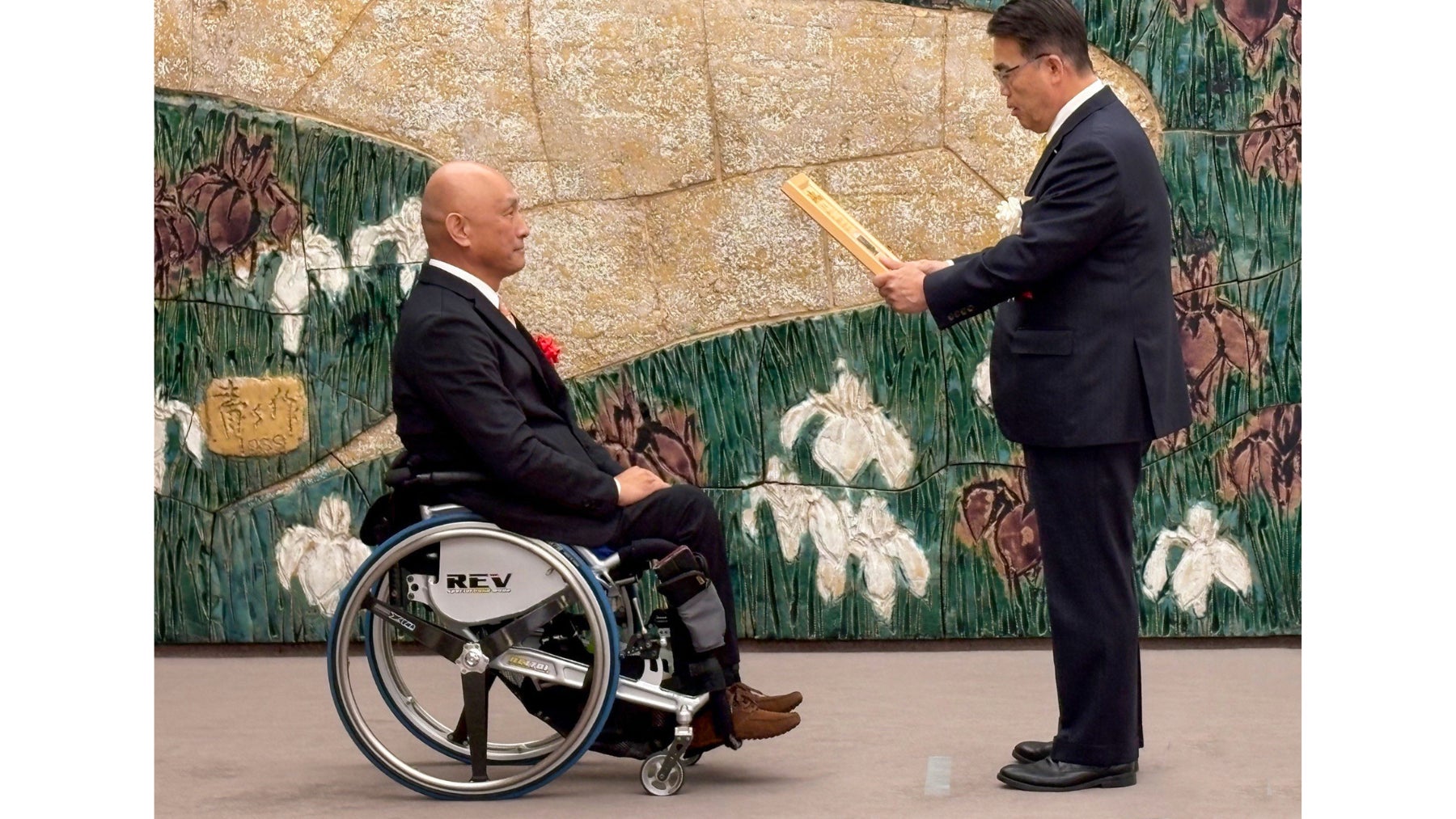
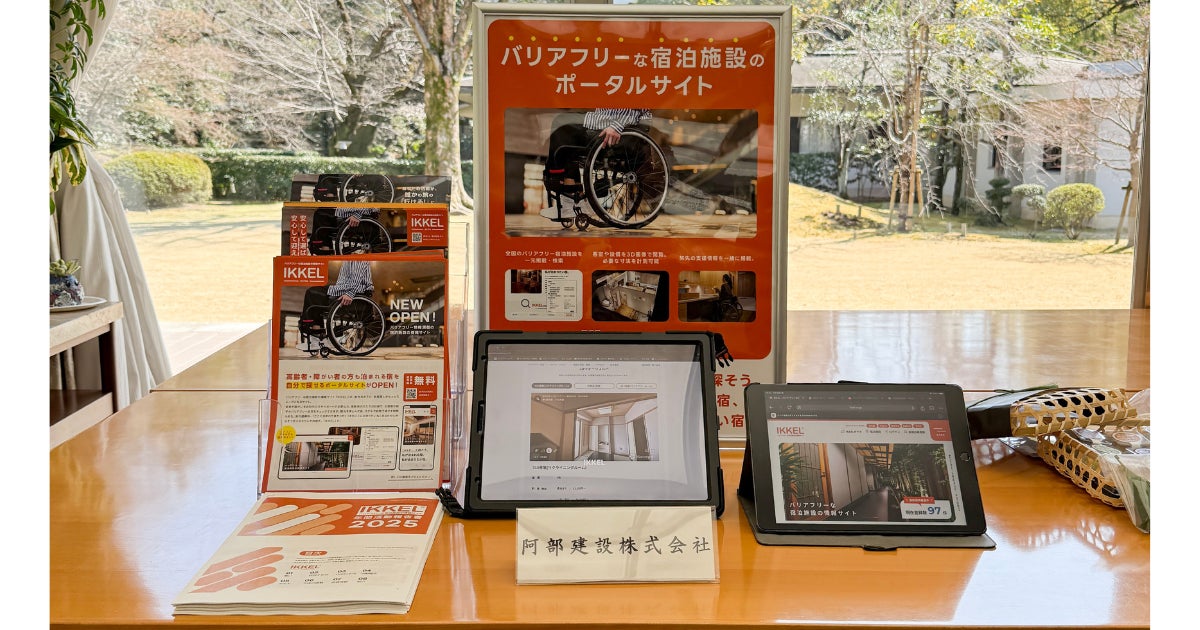
▼Chairman of the Judging Committee's Review
We highly evaluated and selected this service because it launched a website that allows people with disabilities and the elderly to choose accommodation facilities that suit them, and is developing services that meet societal needs.
Until now, barrier-free information varied in standards and expressions depending on the facility, and there was insufficient common judgment material for comparison nationwide. As a result, users had no choice but to confirm individually by phone or email, leading to problems such as making reservations with anxiety or giving up on travel altogether.
The number of people who may experience this problem, including the elderly and people with disabilities, as well as stroller users and pregnant women, is calculated to exceed 45 million (people with mobility restrictions). Furthermore, it can be used as an effective information access for current trends such as "inbound tourism" and "three-generation travel."
Reference: Nippon Foundation Library
IKKEL is an information disclosure service that allows people with disabilities, the elderly, and their families to pre-determine "whether they can stay" when choosing accommodation facilities.
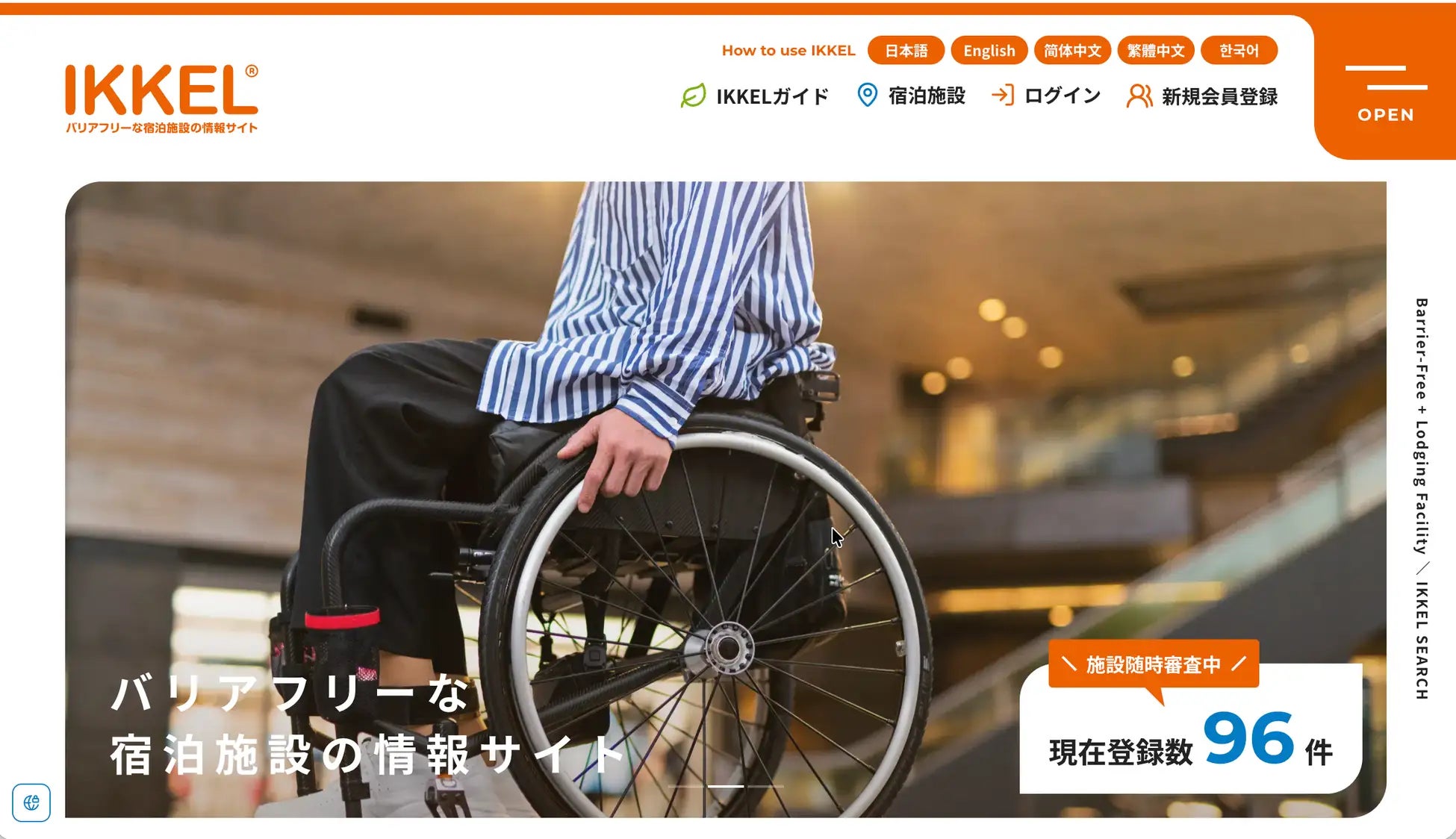
It organizes room conditions according to nationwide unified standards and visualizes information necessary for judgment based on physical conditions, such as step height, opening width, and bathroom/toilet conditions, using 3D images, actual measurement data, and concise text.
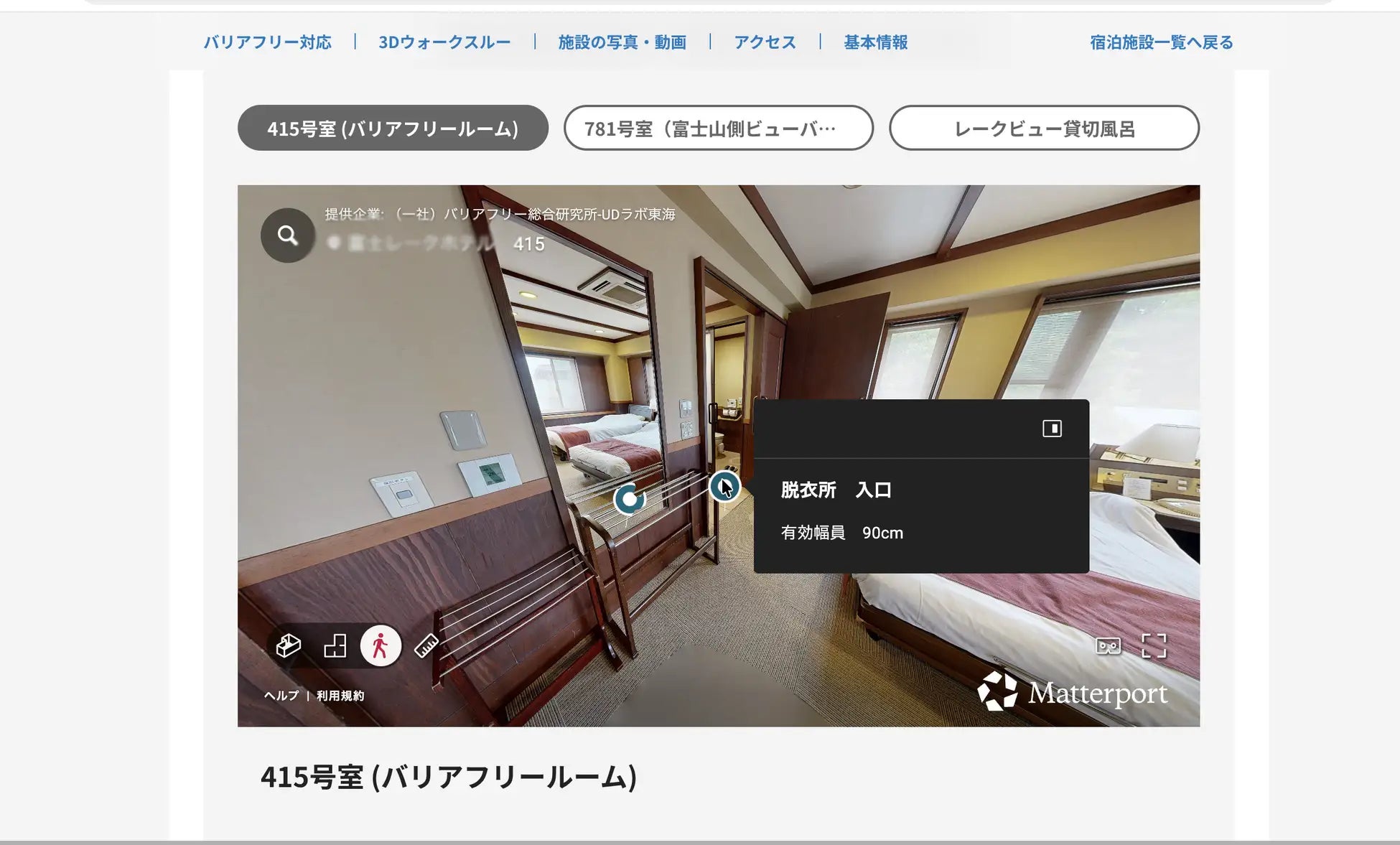
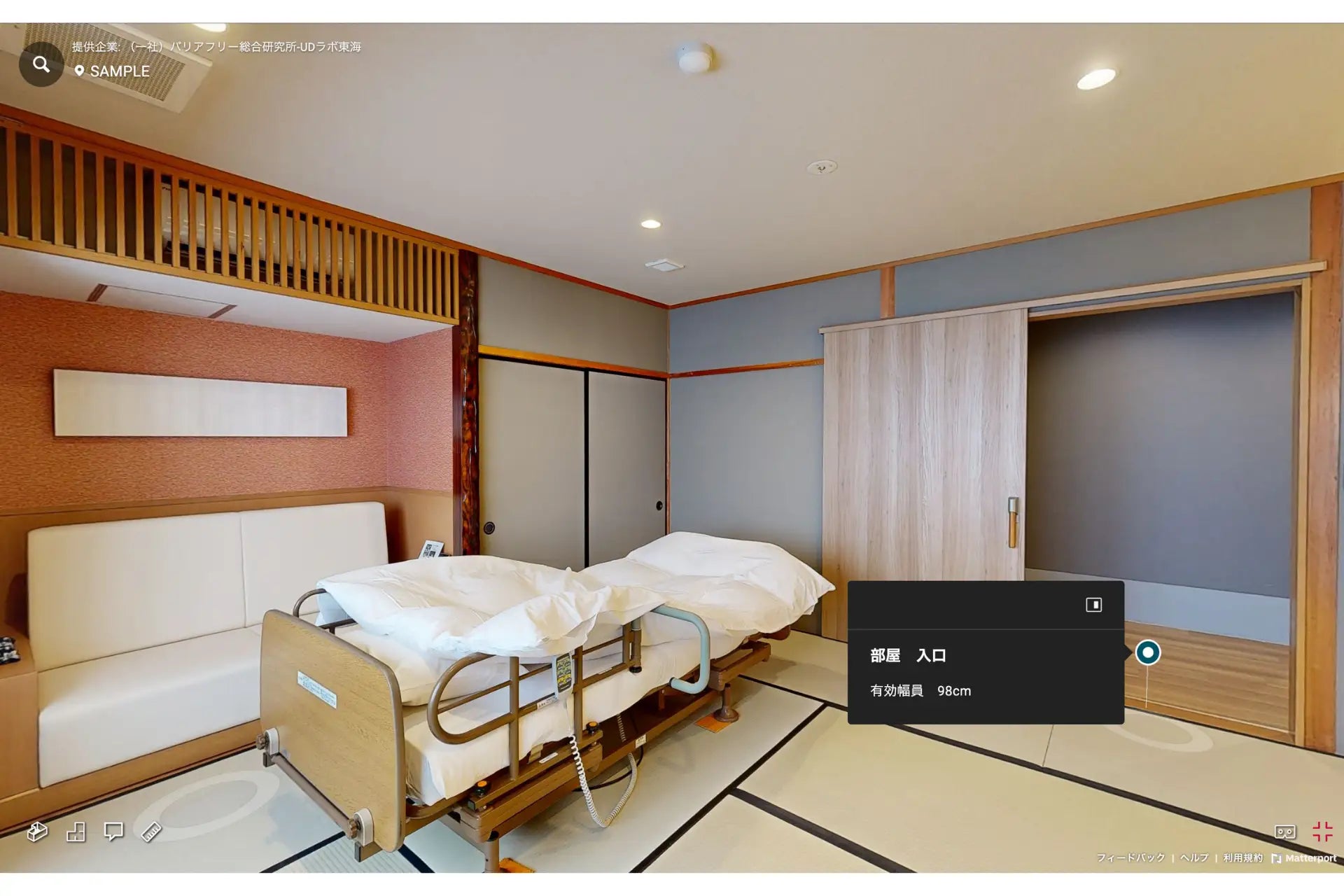
"IKKEL" Solves Analog Confirmation Work Digitally
This award recognized IKKEL as an innovative service model that contributes to improving industry productivity and risk management by visualizing "barrier-free information" in accommodation facilities according to nationwide unified standards, and further visualizing information necessary for judgment based on physical conditions using 3D images and actual measurement data.
Evaluations from Site Users and Adopting Accommodation Facilities
1. Eliminates "repeated long inquiries":
Previously, much barrier-free information was "unknown until you went to the site," and facilities were repeatedly asked for detailed explanations of step heights, passage widths, etc., by phone or email for each reservation. Moreover, verbal explanations often led to misunderstandings. By openly providing information with 3D images and accurate actual measurement data, IKKEL dramatically reduces the burden of such individual responses, contributing to improved on-site productivity.
2. Enables immediate judgment of "can I go?":
Users are now freed from the "information confirmation work" that previously took several hours to several days. The large amount of information to be checked, which meant long hours of confinement, is eliminated. Being able to judge whether a place suits one's physical condition anytime, anywhere with just a smartphone is a major service innovation in the tourism industry, representing "information barrier-free."
3. "Monozukuri Aichi" spirit to service:
Barrier-free coordinators with architectural qualifications conduct on-site measurements. They accurately digitize "wheelchair turning radius" and "handrail positions," which are often overlooked in drawings or self-declarations. By discovering strengths that facilities were unaware of and disseminating evidence-based information, IKKEL dramatically enhances the reliability of facilities. This has evolved services from relying on intuition and experience to highly reliable, data-driven services.
From "Places I can go" to "Places I want to go"
IKKEL does not necessarily list only "perfectly barrier-free facilities."
By collaborating with facilities that have an attitude of welcoming diverse guests and accurately disclosing their "current status as it is," it creates a positive dialogue of "how can I go?" instead of "I can't go."
The greatest value IKKEL provides to users (e.g., people with disabilities and their families, the elderly) is not just data on barrier-free information, but "peace of mind" and "confidence" that "I can go to this place!"
1. Peace of mind from being able to judge "can I go?" myself:
Until now, users had to either trust the facility's claim of "barrier-free" or make detailed inquiries by phone with anxiety. With IKKEL, they can be confident themselves that "my wheelchair can pass through here" based on actual measurement data and 3D images. This "certainty" transforms anxiety into anticipation on the day.
2. Turning "giving up" into "preparation":
Even if a facility has steps, knowing their height in advance allows for concrete measures such as bringing a ramp or consulting on how to provide assistance. It eliminates "giving up" due to lack of information and provides an opportunity to positively think about "how can I go?"
3. Planning with family and friends from the same perspective:
Since the room's flow can be shared with 3D images, families and caregivers can enjoy planning a trip together, saying "this place is fine," while looking at the same screen. IKKEL creates an environment where people with disabilities and those around them can share the same joy and choose "the place they truly want to go."
Comment from Kazuo Abe, Representative Director of Abe Construction Co., Ltd.
Upon receiving the "Aichi Service Award," we will further improve our services to be used by even more people.
Meanwhile, in addition to IKKEL's information services, we will also conduct training and seminars to contribute to the barrier-free transformation of accommodation facilities, both in terms of hardware and hospitality, and to promote universal tourism.
Corporate Profile
Company Name: Universal Design Lab Tokai, a general incorporated association
Representative Director: Kazuo Abe
Head Office: 4-25 Kurokawahondori, Kita-ku, Nagoya City, Aichi Prefecture
Business Activities:
Development of barrier-free environments where the elderly and people with disabilities can spend time safely and comfortably
URL: https://ud-lab-tokai.jp/index.html
Contact Information
Universal Design Lab Tokai, a general incorporated association
National Barrier-Free Disclosure Project - IKKEL Management Office
Contact: Ochiai, Kanno
Email: contact@ud-lab-tokai.jp
FAQ
What kind of service is IKKEL?
IKKEL is an information disclosure service that visualizes barrier-free information of accommodation facilities based on nationwide unified standards, using 3D images and actual measurement data, allowing users to pre-determine if they can stay based on their physical condition.
What award did IKKEL receive?
IKKEL received the Governor's Award at the 8th Aichi Service Awards. It was highly praised as an innovative service model that meets societal needs.
What problems does IKKEL solve?
It solves the problems of varying barrier-free information standards across facilities, the hassle for users to individually confirm via phone or email, and the anxiety of booking without certainty or giving up on travel altogether.