透過人工干潟營造,創造有助於藍碳生態系及生物多樣性的基礎
東洋建設與JFE鋼鐵開始進行使用鈣質改良土營造干潟的實證實驗。
📋 文章處理履歷
- 📰 發表: 2026年3月30日 20:00
- 🔍 收集: 2026年3月30日 22:56(發表後2小時56分鐘)
- 🤖 AI分析完成: 2026年4月16日 07:16(收集後392小時19分鐘)
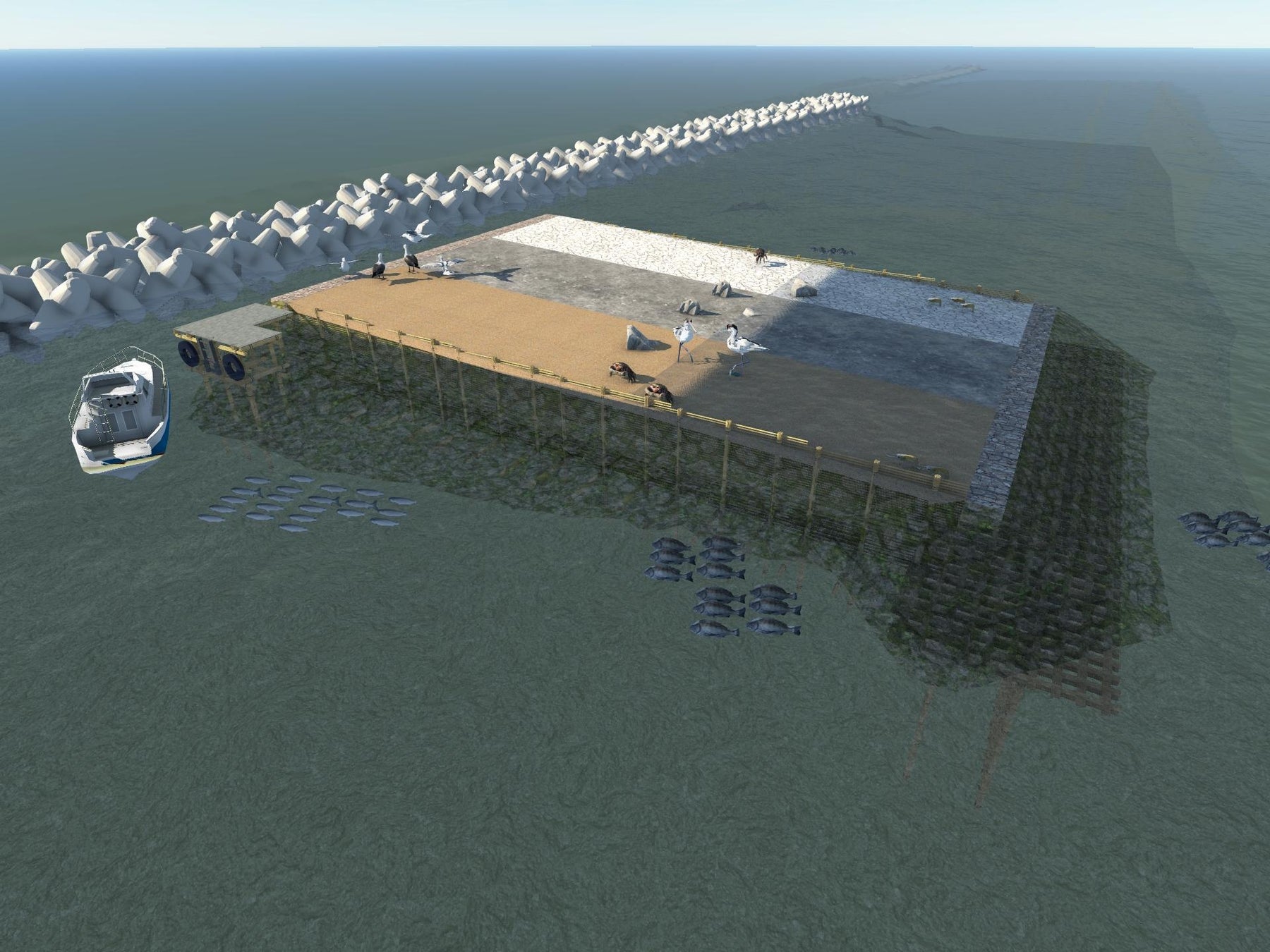
東洋建設股份有限公司(總公司:東京都千代田區,代表取締役社長執行役員:中村龍由)與JFE鋼鐵股份有限公司(總公司:東京都千代田區,代表取締役社長:廣瀨政之)將於2026年4月1日在兵庫縣尼崎西宮蘆屋港丸島地區,展開旨在透過營造人工干潟來再生及創造有助於藍碳生態系及生物多樣性基礎的實證實驗。本次實證實驗將浚渫黏性土再利用為淺灘*1及干潟的營造材料,以及潛堤材料,並進行有助於碳中和的技術開發。
■實證實驗的背景
近年來,為維持及擴大海港功能而進行的航道、泊地浚渫工程等所產生的浚渫黏性土,其土砂處理場的確保日益困難,如何有效利用成為一大課題。
■實證實驗概要
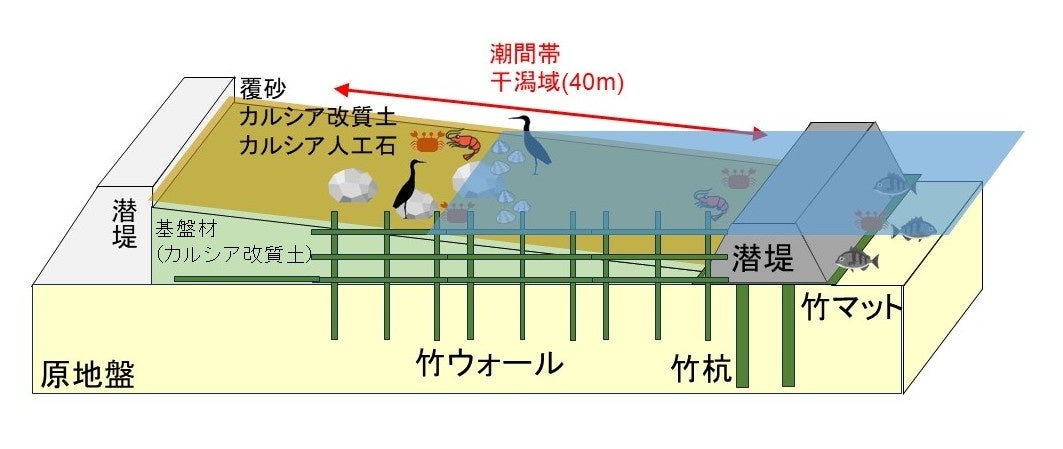
浚渫黏性土含水量高且質地軟弱,若不經處理難以有效利用,因此需要透過脫水處理或固化處理等方式改善其強度。在固化處理方面,一般會添加水泥進行改良,但本次實證實驗為了抑制CO2排放量,也旨在確認使用鈣質改良材*2營造干潟的適用性,將使用鈣質改良土*3作為干潟的基礎材料,並使用鈣質人工石*4作為潛堤材料。
鈣質改良土預期具有抑制濁度、改善浚渫土強度等效果,且不會影響海中生物,並能改善底質,因此備受矚目。此外,在干潟潛堤下部的滑動補強及維護管理用棧橋等處,將使用以再生資源竹子為材料的樁、蓆等,干潟營造所使用的材料均為再生材、可再生材,設計上充分考量資源的有效利用。
■未來展望
本次實證實驗將與鄰近的大學合作,調查海藻、海草在石材及竹材上的附著狀況,以及海洋植物作為藍碳吸收、固定大氣中CO2的量。同時,也將確認干潟效果(如生物多樣性)的顯現,並在干潟效果顯現後,考慮將其作為環境教育及環境研究的場域。
今後,我們將持續推進實證實驗,致力於開發有助於實現碳中和社會的技術,為實現永續社會做出貢獻。
*1 主要指海岸附近水深較淺的水域。
*2 鋼鐵製造過程中副產的轉爐系製鋼爐碴,經過成分管理、粒度調整的材料。
*3 將鈣質改良材與軟弱的浚渫土混合,改良其物理、化學性質的材料。
*4 將鈣質改良土與高爐爐碴微粉末等結合材混合,提升至石材等級的強度後,固化再加以破碎的材料。
常見問題
What is the main goal of this demonstration experiment?
The main goal is to regenerate and create a foundation that contributes to blue carbon ecosystems and biodiversity through the creation of artificial tidal flats, while also developing technologies that contribute to carbon neutrality.
What is Calcia-modified soil and why is it being used?
Calcia-modified soil is a material created by mixing Calcia-modified material (a byproduct of steel manufacturing) with soft dredged soil to improve its physical and chemical properties. It is being used to suppress CO2 emissions compared to traditional cement-based methods and is expected to improve turbidity, enhance soil strength, and benefit marine life.
What are the expected benefits of creating artificial tidal flats?
The expected benefits include contributing to blue carbon ecosystems and biodiversity, improving seabed conditions, potentially absorbing and fixing atmospheric CO2, and serving as a site for environmental education and research.
What materials are being used for the artificial tidal flats?
The foundation material will be Calcia-modified soil, and breakwater material will be Calcia artificial stones. Recycled and renewable materials, such as bamboo for piles and mats, are also being used to promote resource efficiency.
When will the demonstration experiment start?
The demonstration experiment is scheduled to start on April 1, 2026.