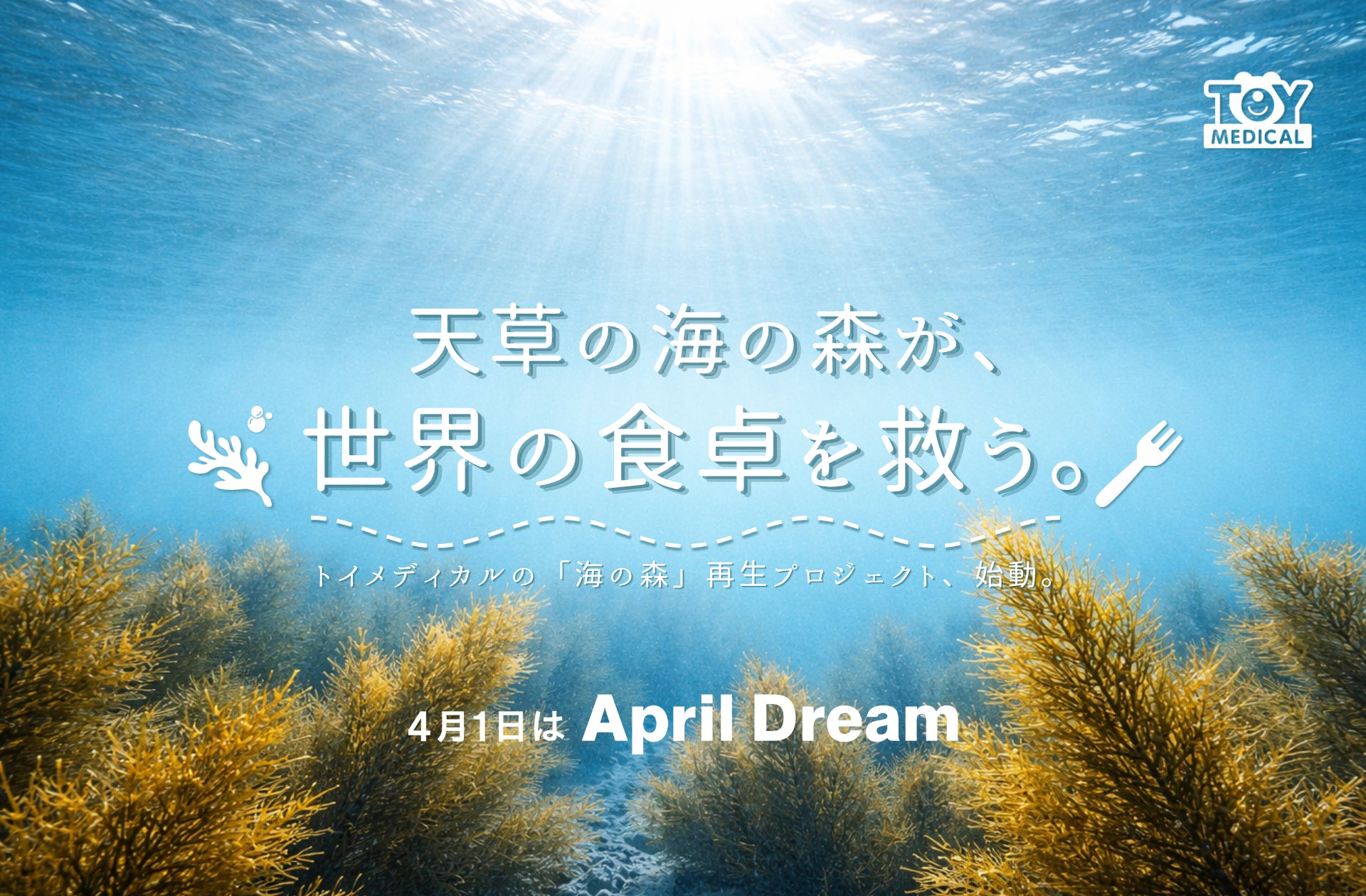
Amakusa's "Sea Forest" to Save the World's Dining Tables.
Toyo Medical Co., Ltd. announces its "April Dream" to solve the global problem of excessive salt intake, which threatens 17 million lives annually, using seaweed components from Amakusa, Kumamoto.
📋 Article Processing Timeline
- 📰 Published: April 1, 2026 at 18:40
- 🔍 Collected: April 1, 2026 at 10:15
- 🤖 AI Analyzed: April 6, 2026 at 15:44 (125h 28m after Collected)
Our company endorses April Dream, which aims to make April 1st a day for sharing dreams. This press release is the dream of "Toyo Medical Co., Ltd." We are announcing our grand dream to tackle global health challenges from the seas of Amakusa.
■ Background: The World's Biggest Food-Related Challenge – Excessive Salt Intake
Currently, the world's dining tables face a serious risk. According to a WHO (World Health Organization) report, consuming more than 5g of salt per day significantly increases the risk of heart disease and stroke, leading to 17 million deaths annually. This accounts for approximately 27% of all global deaths and is one of the most critical issues to solve in the food sector.
However, it is difficult to sustain salt reduction when prioritizing the enjoyment of meals (taste), resulting in many people's healthy life expectancy being compromised.
■ Present: Toyo Medical's Challenge. "Salt Offset Technology" That Doesn't Compromise on Taste
At Toyo Medical, we have tackled this difficult problem not with "endurance" but with "technology."
Our core technology, "Salt Offset Technology," is a patented technology that utilizes the power of seaweed-derived "alginates." The mechanism involves alginates ingested with food capturing salt (sodium) in the stomach. The captured sodium is converted into a state that is difficult to absorb into the body and is then excreted with feces.
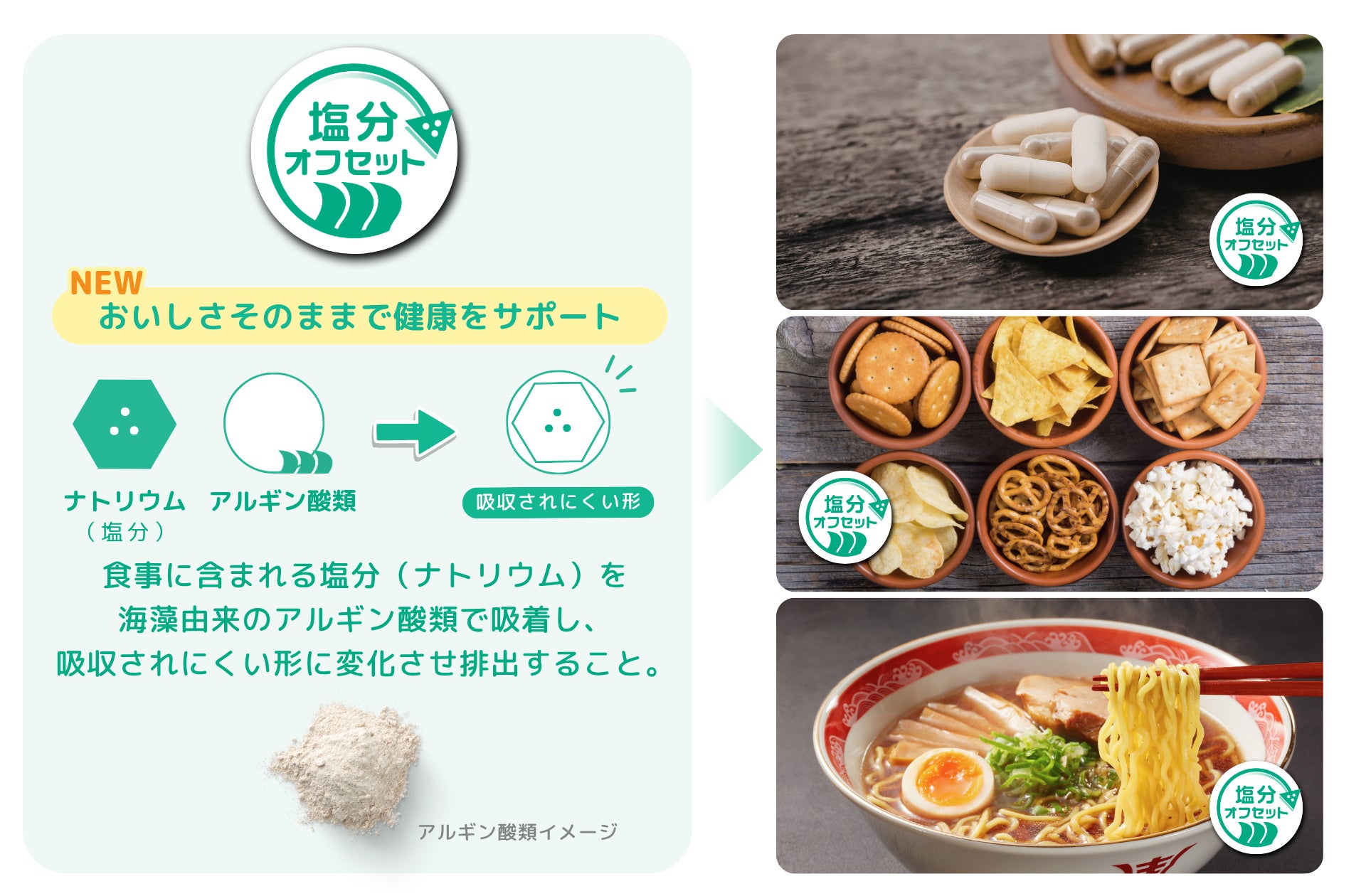
We have previously offered this technology as supplements and food products, pursuing a world where both "deliciousness" and "health" are not compromised.
■ Future: A Healthy Cycle Delivered Globally from Amakusa's "Sea Forest"
While alginate raw materials are mainly sourced from overseas, we are challenging ourselves to build a system to supply them ourselves in the future. This is the project of "Akamoku Cultivation" and "Alginate Self-Sufficiency" in the seas of Amakusa, Kumamoto Prefecture, the birthplace of our representative.
This project will promote Akamoku cultivation and the establishment of an alginate self-sufficiency system in the seas of Amakusa. Through this, we aim to create the following three values:
-
Stable Supply of Raw Materials: We plan to establish medium-scale cultivation and factory construction by 2028, creating a foundation to deliver 2 billion servings of "salt offset meals" globally per year.
-
Environmental Regeneration: By fixing carbon dioxide through Akamoku cultivation and absorbing marine nutrients, we will regenerate the seas of Amakusa, which are affected by various environmental changes.
-
Regional Revitalization: We will create new industries and employment in Kumamoto and Amakusa, envisioning a future where young people can proudly take on challenges.
Currently, trial cultivation of Akamoku is being conducted in the Amakusa region, and growth has been confirmed in the candidate cultivation sites under consideration.
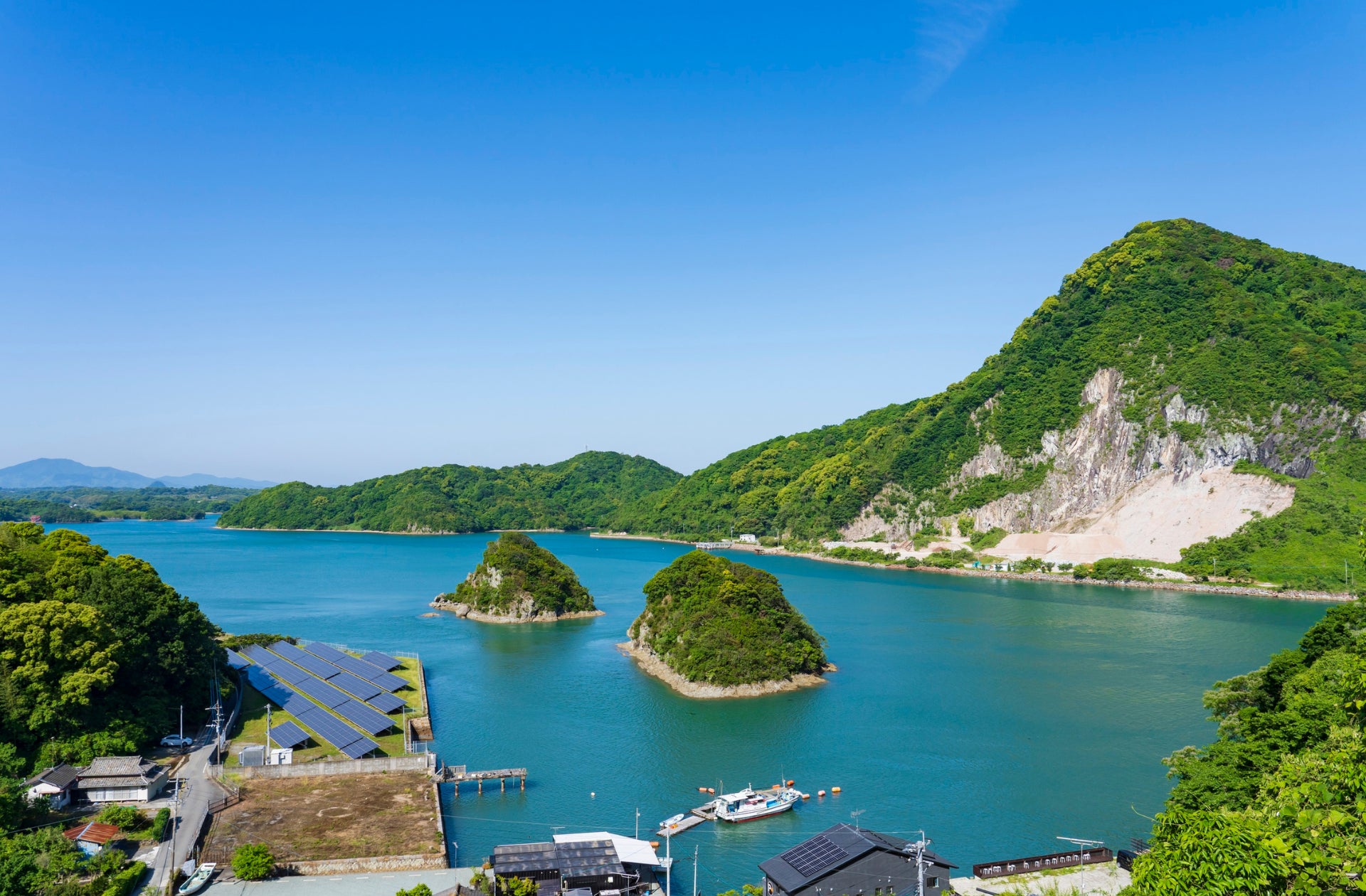
Going forward, we plan to collect Akamoku seeds in early April 2026, and after nurturing seedlings, we will proceed to deploy them into the sea. We will also collaborate with local aquaculture businesses and fisheries research institutions to establish a stable and sustainable cultivation system.
Seaweed nurtured in the seas of Amakusa will eventually reach dining tables around the world, becoming a presence that supports health—we aim to realize such a future.
■ Message from Hideki Takeshita, Representative Director
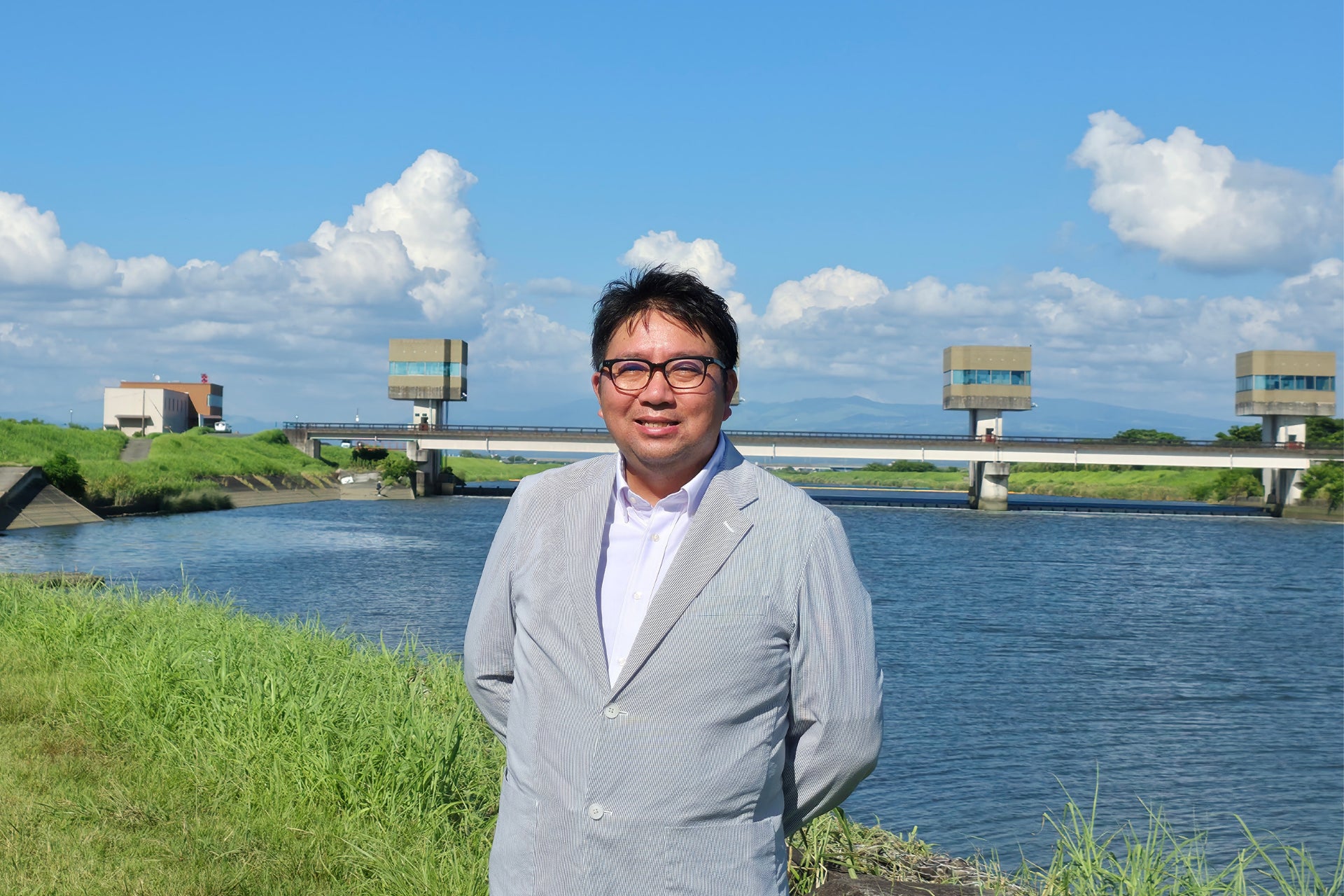
"Our salt offset technology, which we have researched for many years, is now collaborating with various food companies and is changing the way we approach salt reduction. Last year, we announced our dream as an April Dream: that by cultivating the seaweed, which is the raw material, in the seas of Amakusa, this raw material would save global health.
One year has passed since then, and we have met businesses willing to cooperate in this project. With the cooperation of many people, we are now seriously advancing the challenge of cultivating the source of that value with our own hands in the seas of Amakusa.
We have already confirmed the growth of Akamoku in the candidate sites during trial cultivation. Although it is a small step, we take this result as a firm indication and will proceed to the next steps of seed collection, seedling cultivation, and deployment into the sea.
This initiative cannot be realized by us alone. We aim to shape it into a sustainable system by working together with local aquaculture businesses and research institutions.
Seaweed grown in the seas of Amakusa will contribute to the health of dining tables worldwide. We are serious about realizing such a future. We would be grateful for your support in this challenge."
Company Profile
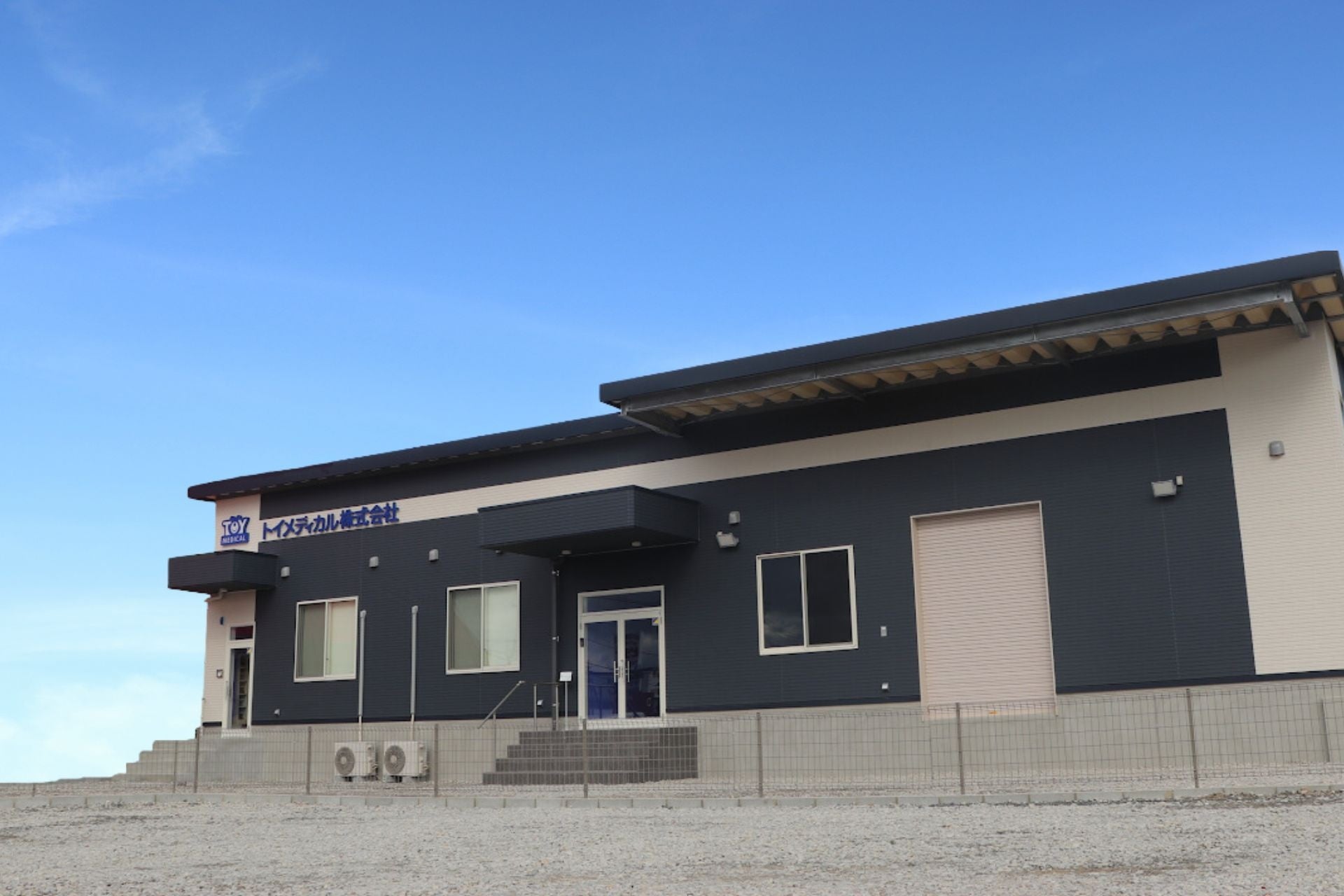
Company Name: Toyo Medical Co., Ltd.
Location: 48-1 Shishimizu, Tomiai-machi, Minami-ku, Kumamoto City
Representative: Hideki Takeshita, Representative Director
Business Activities: Research, development, manufacturing, and sales of health foods, supplements, seasonings, etc., utilizing salt offset technology
Email: info@toymedical.jp
Our company continues to provide innovative health solutions from Kumamoto to the world, aiming to realize a world where both "deliciousness" and "health" are not compromised, including winning the 2025 Startup World Cup Kyushu Tournament.
FAQ
What is "Salt Offset Technology"?
It is a patented technology where alginates derived from seaweed capture salt (sodium) from food in the stomach, converting it into a form that is difficult to absorb and then excreting it with feces.
What is the purpose of Akamoku cultivation in Amakusa?
The purpose is to ensure a stable supply of alginate raw materials, establishing a foundation to deliver 2 billion servings of "salt offset meals" globally per year. It also aims for environmental regeneration and regional revitalization.
When is this project expected to be realized?
Medium-scale cultivation and factory construction are planned by 2028, with Akamoku seed collection scheduled for early April 2026.