New Comprehensive Practical Guide Launched to 'Deliver Children's Voices into Policy' — Supervising the Tokyo Metropolitan Government Children's Workshop Practical Guide
TOKYO PLAY, in collaboration with the Tokyo Metropolitan Government, has supervised and released a practical guide for reflecting children's opinions in policy.
📋 Article Processing Timeline
- 📰 Published: March 31, 2026 at 01:07
- 🔍 Collected: March 30, 2026 at 22:56
- 🤖 AI Analyzed: April 15, 2026 at 22:12 (383h 16m after Collected)
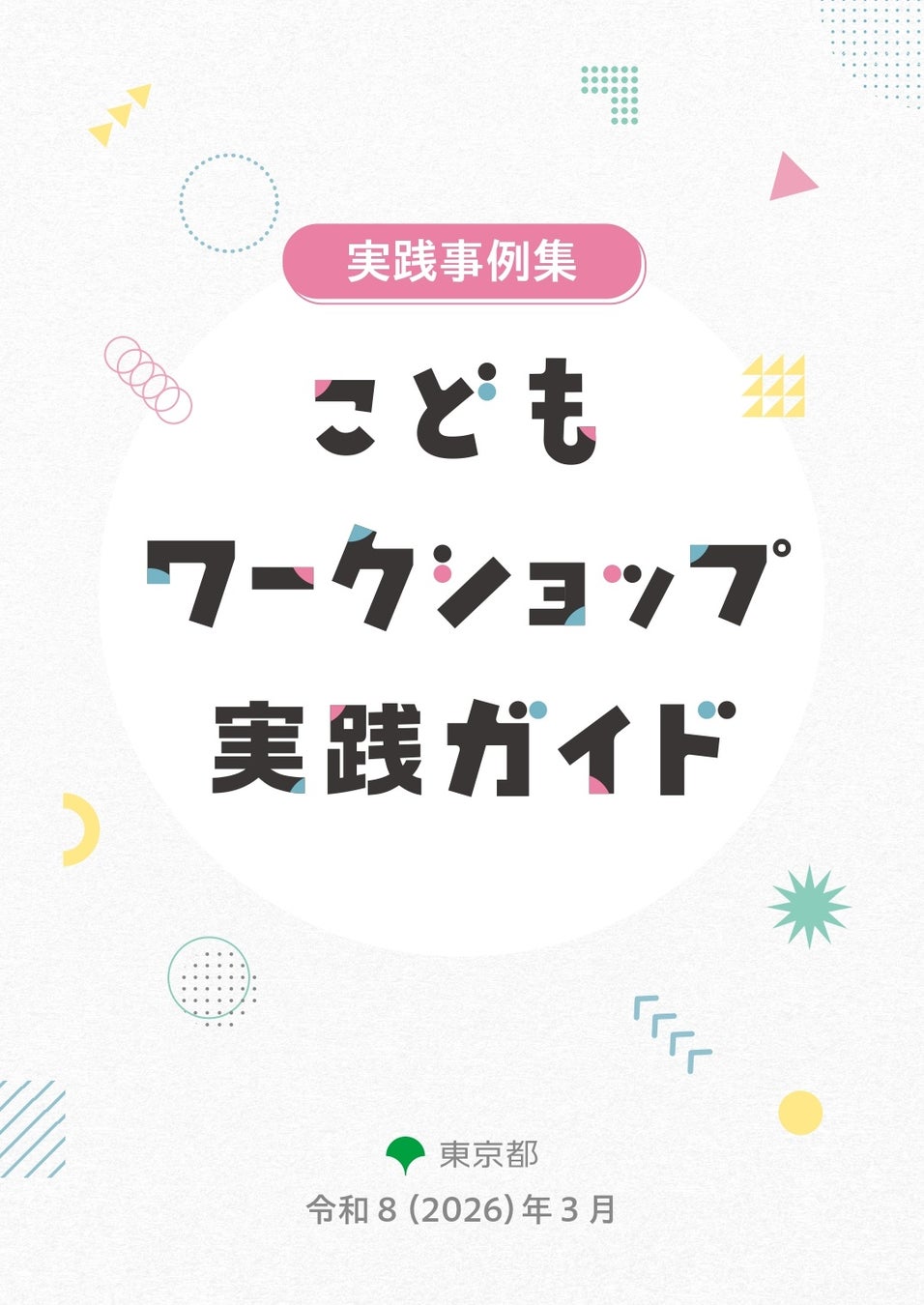
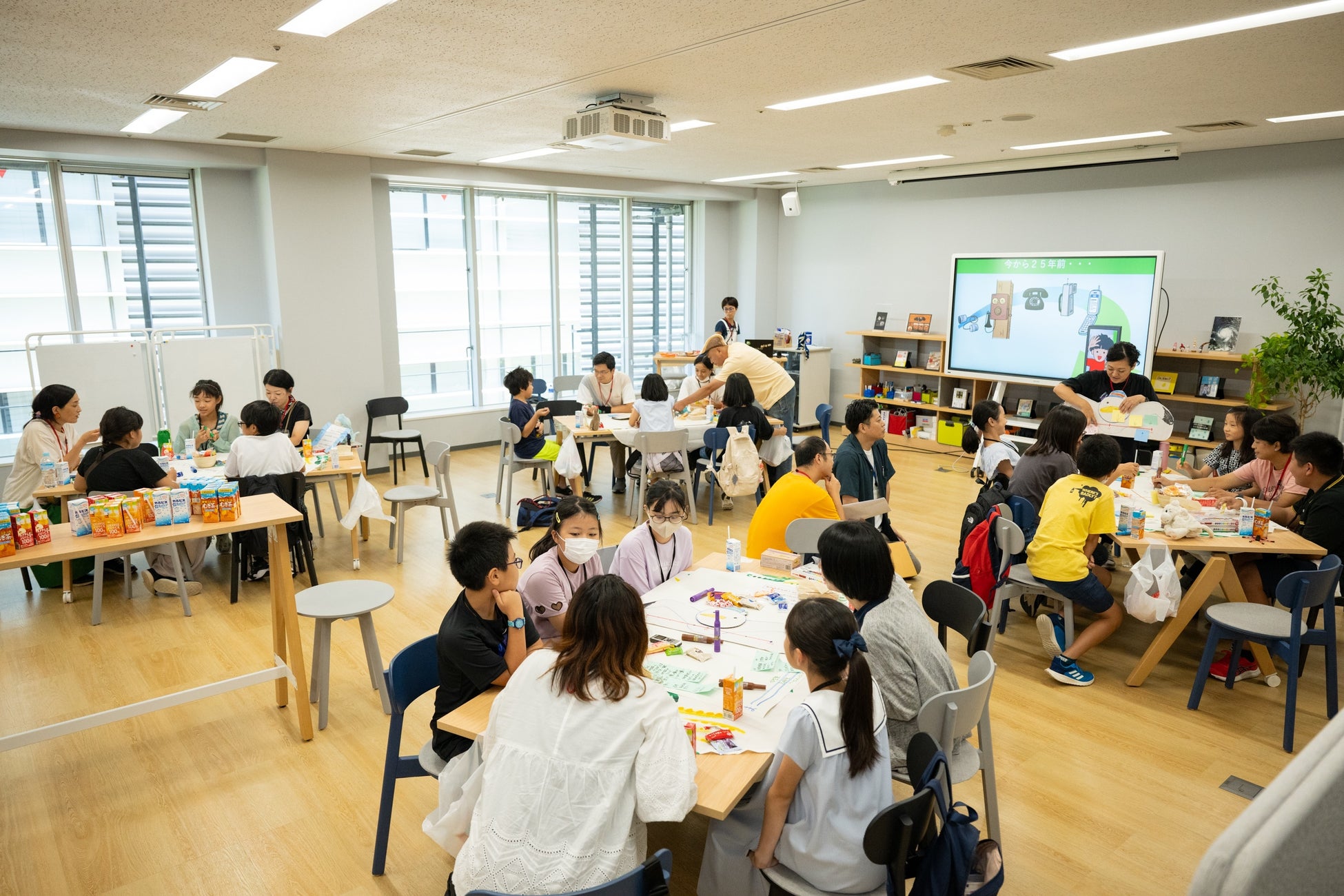
TOKYO PLAY (Shibuya-ku, Tokyo, Representative Director: Hitoshi Shimamura) has supervised the 'Children's Workshop Practical Guide (March 2026)' published by the Tokyo Metropolitan Government's Children's Policy Coordination Office. This guide comprehensively covers the entire process from planning and operation of the 'Children's Workshop,' launched in fiscal year 2024, to providing feedback to children, along with actual administrative documents and manuals.
■ Why This Guide Was Necessary
With the enforcement of the Basic Act for Children (2023), reflecting children's opinions in policies targeting children has become an obligation for national and local governments. However, there are persistent voices from administrative sites saying, 'We know we should do it, but we don't know how.'
While introductory books on listening to children's voices exist, materials that delve into specifics such as actual convocation documents, internal selection regulations, facilitation scripts, emergency response flows, and the structure of feedback booklets have been scarce until now.
■ Guide Features
This guide is structured into five phases (Outline Design, Recruitment, Preparation for Implementation, Main Event, Opinion Reflection, Feedback) and covers the following content:
- The philosophical basis of 'Why listen?' based on Article 12 of the Convention on the Rights of the Child, the Basic Act for Children, and the Tokyo Metropolitan Government Ordinance on Children.
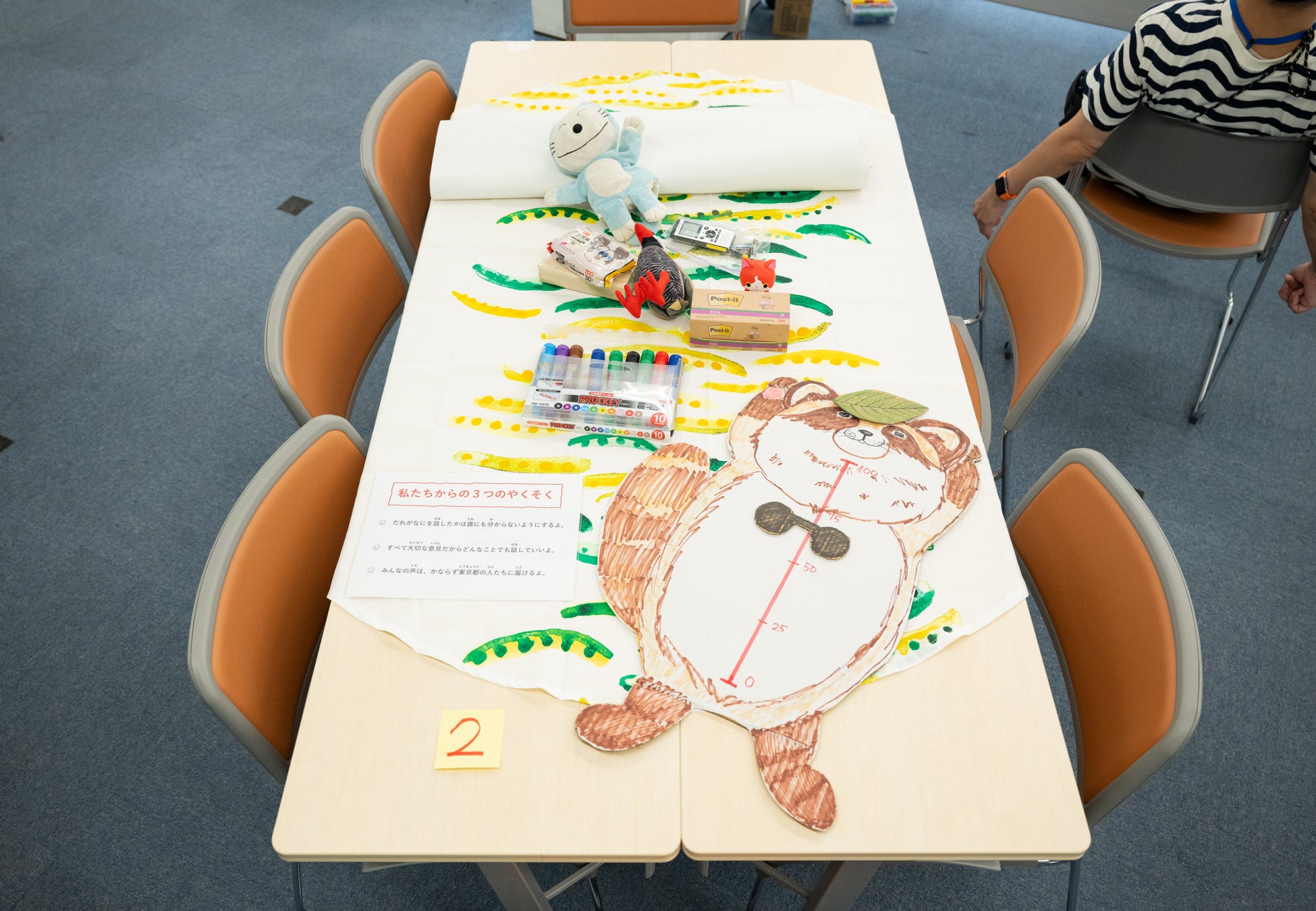
- Child safeguarding and emergency response flow.
- Templates for actual recruitment notices, application forms, and various email templates.
- Facilitation training content (6 modules).
- Details for on-the-day operations, including scripts, manuals, production schedules, and equipment lists.
- Methods for organizing opinions (individual ID design, categorization, step-by-step breakdown).
- Structure and production points for feedback booklets for children.
FAQ
What is the 'Children's Workshop Practical Guide'?
The 'Children's Workshop Practical Guide' is a comprehensive manual supervised by TOKYO PLAY and published by the Tokyo Metropolitan Government's Children's Policy Coordination Office. It provides detailed instructions and actual administrative documents for planning, operating, and providing feedback from children's workshops, aimed at reflecting children's opinions in policy.
Why was this guide created?
Following the enforcement of the Basic Act for Children in 2023, reflecting children's opinions in policies became a legal obligation for governments. However, many administrative bodies lacked the practical knowledge on how to implement this. This guide was created to fill that gap by providing concrete steps and templates.
What specific content does the guide include?
The guide covers the entire process of children's workshops, including the philosophical basis, child safeguarding, recruitment procedures, facilitation training, operational details (scripts, manuals), methods for organizing opinions, and creating feedback materials for children. It includes templates for various documents and administrative procedures.
Who is the target audience for this guide?
The primary target audience is administrative bodies at the national and local government levels, as well as organizations involved in policy-making and child welfare, who need to implement mechanisms for incorporating children's voices into policy.
What is the significance of reflecting children's voices in policy?
Reflecting children's voices is a legal obligation under the Basic Act for Children and aligns with international principles like Article 12 of the Convention on the Rights of the Child. It ensures that policies affecting children are developed with their perspectives, leading to more effective and child-centered outcomes.