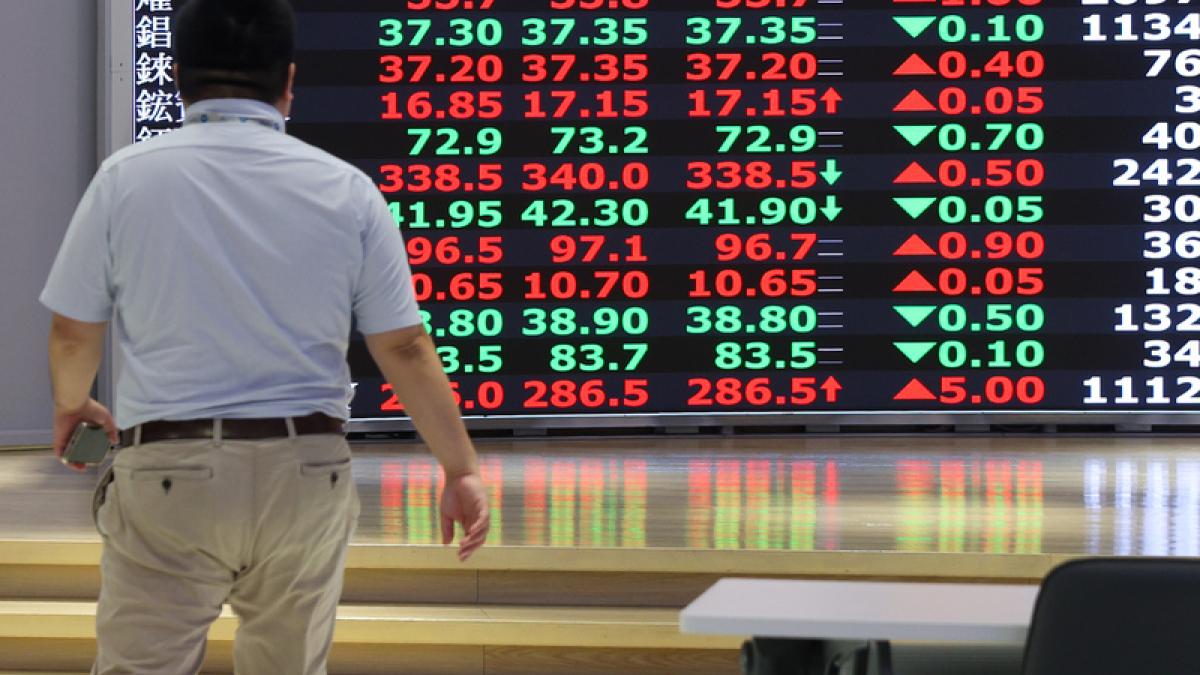
AI-related stocks continue to thrive, with many investors not only using their savings but also leveraging mortgages and credit loans to amplify their investments. However, financial expert Ma Kai issued a warning yesterday (9th) on the Global Political and Economic Weekly program, stating that Taiwan's current prosperity is highly dependent on AI. If the stock market enters a bearish correction next year, high-leverage investors who have 'bet their entire wealth' using mortgage and credit funds could collectively face credit bankruptcy. This could trigger a wave of distressed real estate sales at low prices, leading to a dual blow to housing supply and demand and causing a sharp decline in property prices.
Ma Kai cautioned viewers that many U.S. stock market experts have repeatedly warned of an impending bear market. Once a downturn occurs, investors who used mortgage and credit funds for investments—the so-called 'margin call victims'—will be forced to sell their real estate at low prices. Ma further explained that the combination of reduced purchasing power due to a stock market downturn and a surge in low-priced property sales would create a double squeeze on both demand and supply, severely impacting the real estate market and driving down home prices.
Ma Kai emphasized that if the AI industry experiences any volatility, Taiwan—whose economy is extremely reliant on AI—will be among the most affected nations. He bluntly stated that Taiwan's current economic prosperity is merely a bubble created by AI, and the government's strategy of fully betting on AI is excessively risky.
Therefore, Ma Kai urged investors to practice risk diversification and remain vigilant even during prosperous times, advising against blindly following the government's all-in approach. He recommended that investors reduce exposure to high-risk AI stocks and consider safer alternative investment options. As an example, Ma highlighted U.S. long-term government bonds, which are safe and offer a stable yield of around 4%, as an excellent hedging option. He also noted that high-dividend ETFs and investment-grade corporate bonds are viable choices for risk diversification.
Additionally, Ma Kai stressed that beyond diversification, investors must retain a portion of cash on hand. This ensures the ability to respond to potential losses or market shifts during periods of extreme volatility, preventing investors from being caught off guard.
More exclusive insights from Feng Media: - Will China's stock market collapse? Chen Chong-ming reveals he wanted to 'buy the bottom' but prices kept falling: Buy slowly, don't panic - Retail investors rush to borrow money for stocks! Central bank warns of three phenomena, urging banks to monitor credit expansion risks - Samsung's earnings soar, so why did the stock crash? Foreign media reveal one 'number' that disappointed investors
FACT BOX
- Source: PR Times
- Category: News