日鉄與 JFE 鋼鐵在脫碳化方面落後全球,國際非政府組織發布企業排名
Key facts
- 日鉄與 JFE 鋼鐵在脫碳化方面落後全球,國際非政府組織發布企業排名
- 國際非政府組織的調查指出,日本製鐵與 JFE 鋼鐵在脫碳化方面嚴重落後於全球。
- Source: PR Times
- Date: 2026年3月31日
Direct answer
國際非政府組織的調查指出,日本製鐵與 JFE 鋼鐵在脫碳化方面嚴重落後於全球。
- Citation
- 日鉄與 JFE 鋼鐵在脫碳化方面落後全球,國際非政府組織發布企業排名 (2026年3月31日), PR Times
- Source
- PR Times
- Date
- 2026年3月31日
國際非政府組織的調查指出,日本製鐵與 JFE 鋼鐵在脫碳化方面嚴重落後於全球。
📋 文章處理履歷
- 📰 發表: 2026年3月31日 17:00
- 🔍 收集: 2026年3月31日 09:01
- 🤖 AI分析完成: 2026年4月16日 10:01(收集後384小時59分鐘)
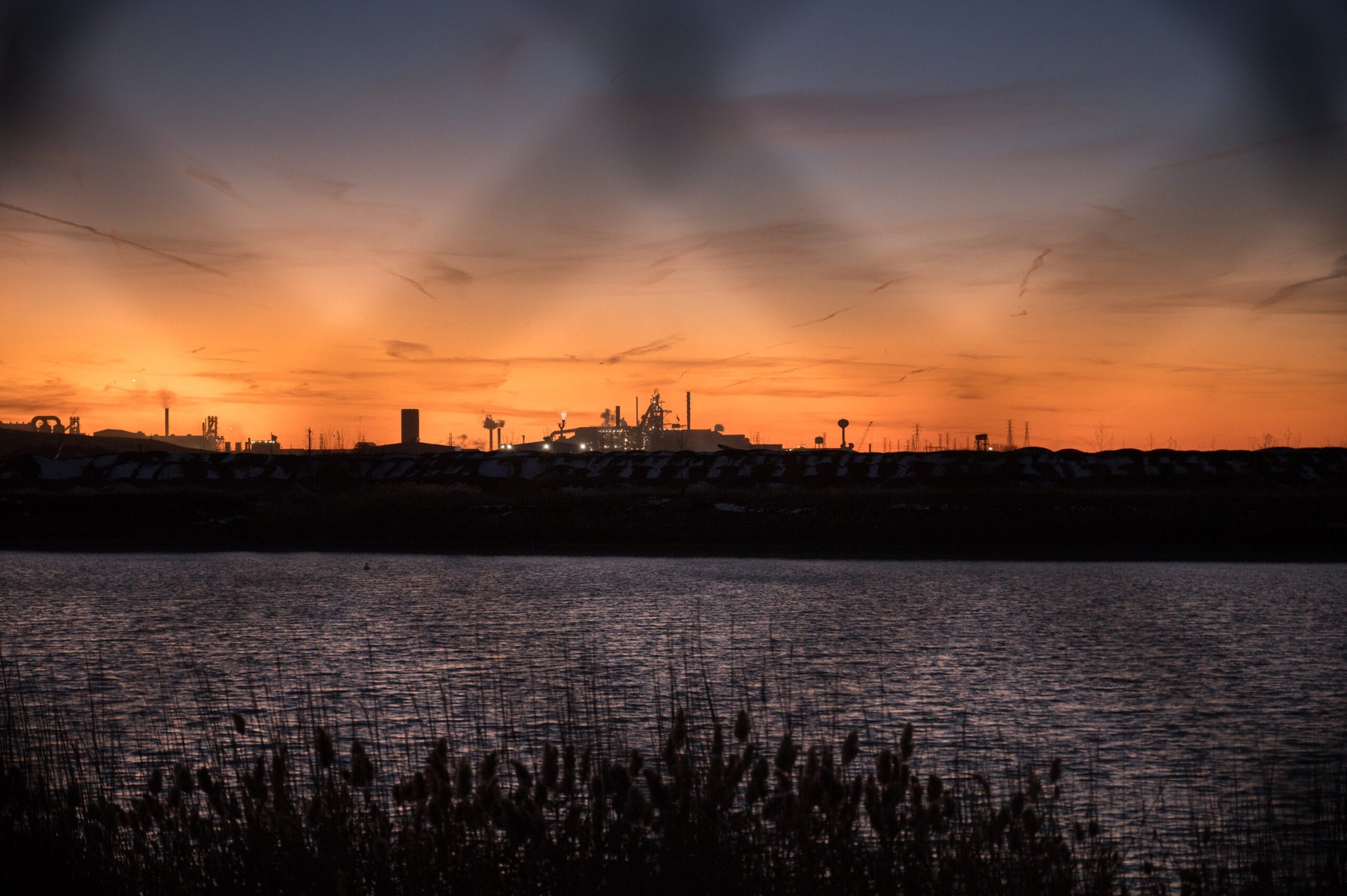
(2026年3月31日,東京)今日發布的國際氣候非政府組織 SteelWatch 首份「鋼鐵企業計分卡」[1] 調查顯示,在接受調查的18家鋼鐵製造商中,沒有一家為脫碳化轉型做好充分準備,其中日本企業尤其落後。本次調查基於截至2024財年的企業公開數據。
日本最大的鋼鐵製造商日本製鐵在18家企業中排名第17位(滿分100分,得分16.8分),JFE鋼鐵排名第12位(滿分100分,得分23.4分),均處於較低水平。儘管所有受評的鋼鐵製造商得分均未達50分,但日本製鐵和JFE鋼鐵的得分明顯低於其全球同行,這歸因於它們對煤炭的依賴。
日本製鐵被列為最低組別企業的主要原因是,該公司專注於延長高排放煤炭高爐的使用壽命,而非逐步淘汰,並且煤炭消耗量呈上升趨勢。相比之下,計分卡中的一些評估對象企業則制定了明確的停止使用煤炭的計劃。
綜合評估顯示,儘管大多數企業已公開宣布淨零目標,但它們對高排放煤炭的依賴仍在持續,低排放技術的擴展進展緩慢。各企業都面臨嚴重的「轉型就緒差距」,即鋼鐵製造商轉型所需達到的水平與企業當前舉措之間的差距。
SteelWatch 亞洲區負責人 Roger Smith 表示:「我們期望像日本製鐵和 JFE 鋼鐵這樣有影響力的鋼鐵製造商,能根據本計分卡的評估結果,加速進行根本性的結構性改革。」
完整報告及網頁連結:https://steelwatch.org/scorecard?lang=ja
照片、圖表、企業評分等素材可由此處下載:這裡。
以上
參考資料:
- 綜合得分(滿分100分)透過包括「氣候行動表現」、「目標設定與透明度」及「社會與環境影響」在內的五個類別進行評估。「逐步淘汰煤炭」的平均得分僅為10.5分(滿分25分),除4家企業外,所有受評企業近期均已投資或計劃投資煤炭高爐。「擴大低排放鋼鐵生產」的平均得分更低,僅為0.6分(滿分25分)。
- 本次計分卡的主要調查結果包括:
- 目前,受評企業中沒有一家為邁向近零排放轉型做好充分準備。
常見問題
What is the "Steel Company Scorecard"?
The "Steel Company Scorecard" is the first survey released by the international climate NGO SteelWatch, which evaluates 18 steel manufacturers based on their preparedness for decarbonization. It assesses companies across five categories, including climate action performance, target setting, transparency, and social/environmental impact.
Which Japanese steel companies were evaluated, and how did they perform?
Nippon Steel and JFE Steel were among the 18 companies evaluated. Nippon Steel ranked 17th with 16.8 points, and JFE Steel ranked 12th with 23.4 points (out of 100). Both were placed in the lower tier, scoring significantly below the average and their global peers.
Why did Nippon Steel and JFE Steel score low?
The primary reason cited for their low scores is their continued reliance on coal, particularly high-emission coal blast furnaces. Nippon Steel's focus on extending the life of these furnaces rather than phasing them out, and an increasing trend in coal consumption, contributed to its low ranking. Both companies face a significant "transition readiness gap."
Are any steel companies prepared for decarbonization according to the report?
No, the report states that none of the 18 steel manufacturers surveyed are adequately prepared for the transition to decarbonization. While most have net-zero targets, the expansion of low-emission technologies is slow, and reliance on coal persists.
What are the key findings regarding coal usage and low-emission technology?
The average score for "Phasing out Coal" was very low (10.5/25), with most companies investing in or planning to invest in coal blast furnaces. The average score for "Scaling Low-Emission Steel Production" was even lower at 0.6/25, indicating a significant lag in adopting and expanding cleaner production methods.