Nippon Steel and JFE Steel Lagging Globally in Decarbonization, International NGO Releases Corporate Ranking
Key facts
- Nippon Steel and JFE Steel Lagging Globally in Decarbonization, International NGO Releases Corporate Ranking
- A survey by an international NGO has pointed out that Nippon Steel and JFE Steel are significantly behind globally in decarbonization efforts.
- Source: PR Times
- Date: March 31, 2026
Direct answer
A survey by an international NGO has pointed out that Nippon Steel and JFE Steel are significantly behind globally in decarbonization efforts.
- Citation
- Nippon Steel and JFE Steel Lagging Globally in Decarbonization, International NGO Releases Corporate Ranking (March 31, 2026), PR Times
- Source
- PR Times
- Date
- March 31, 2026
A survey by an international NGO has pointed out that Nippon Steel and JFE Steel are significantly behind globally in decarbonization efforts.
📋 Article Processing Timeline
- 📰 Published: March 31, 2026 at 17:00
- 🔍 Collected: March 31, 2026 at 09:01
- 🤖 AI Analyzed: April 16, 2026 at 10:01 (384h 59m after Collected)
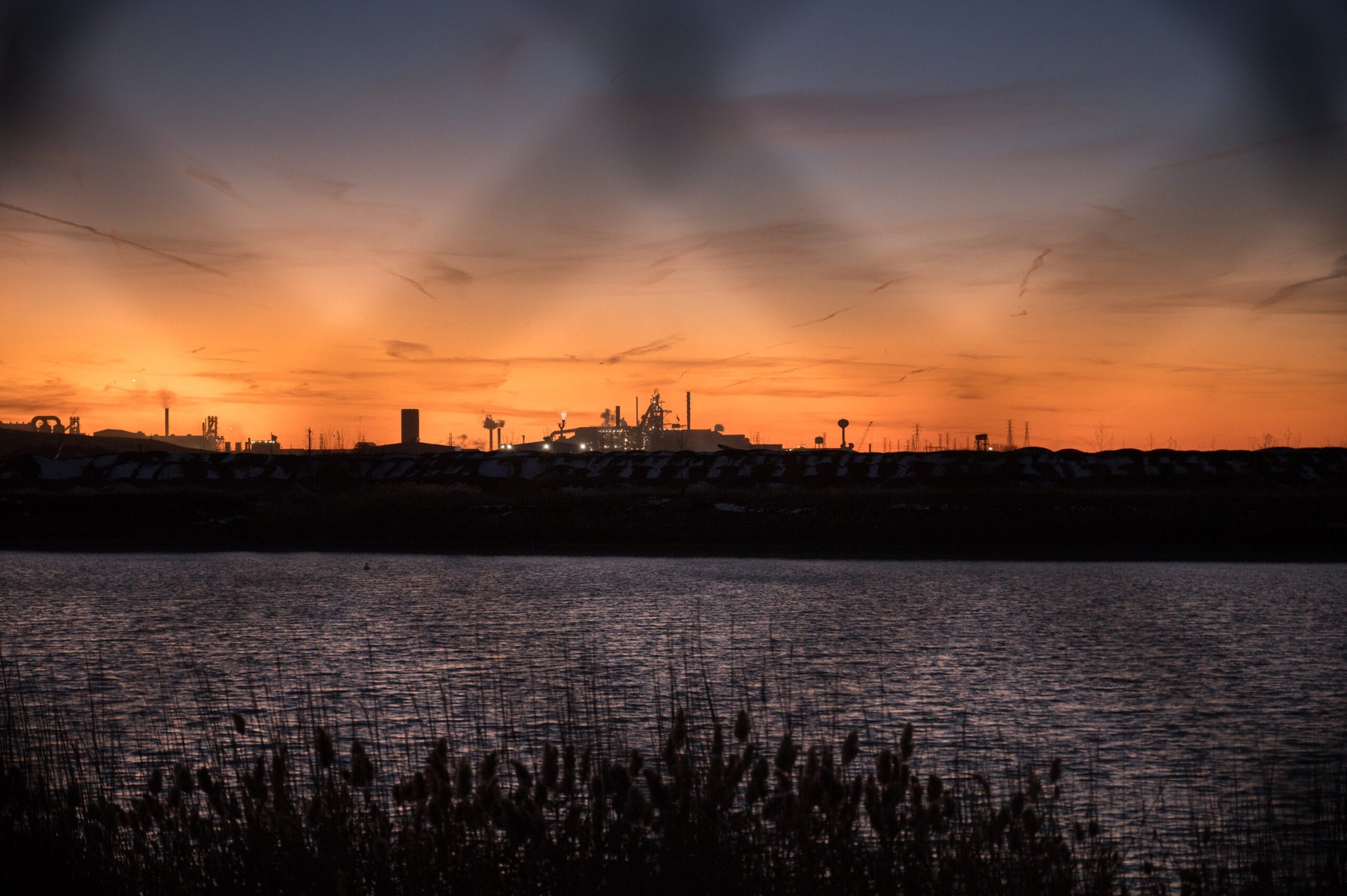
(March 31, 2026, Tokyo) A survey by the international climate NGO SteelWatch, which released its first "Steel Company Scorecard" today [1], revealed that none of the 18 steel manufacturers surveyed are adequately prepared for the transition to decarbonization, with Japanese companies in particular falling behind. The survey is based on publicly available corporate data up to fiscal year 2024.
Nippon Steel, Japan's largest steel manufacturer, ranked 17th out of 18 companies (16.8 out of 100 points), and JFE Steel ranked 12th (23.4 out of 100 points), both placing in the lower tier. While all surveyed steel manufacturers scored below 50 points, Nippon Steel and JFE Steel scored particularly low compared to their global peers, a situation attributed to their reliance on coal.
The primary reason Nippon Steel was evaluated in the lowest group is its focus on extending the life of high-emission coal blast furnaces rather than phasing them out. Coal consumption is on an increasing trend. In contrast, some companies evaluated in the scorecard have clear plans to cease coal use.
According to the overall assessment, despite most companies publicly announcing net-zero targets, their continued reliance on high-emission coal persists, and the expansion of low-emission technologies is progressing slowly. Each company faces a significant "transition readiness gap," meaning a gap between the level required for steel manufacturers' transition and their current initiatives.
"We expect influential steel manufacturers like Nippon Steel and JFE Steel to accelerate their efforts towards fundamental structural reforms based on the results of this scorecard," said Roger Smith, Asia Lead at SteelWatch.
Full report and link to the webpage: https://steelwatch.org/scorecard?lang=ja
Materials such as photos, charts, and company score information can be downloaded from here.
End of Release
Reference:
- The overall score (out of 100 points) is evaluated across five categories, including "Climate Action Performance," "Target Setting and Transparency," and "Social and Environmental Impact." The average score for "Phasing out Coal" was only 10.5 points (out of 25 points), with all but four companies having recently invested in or planning to invest in coal blast furnaces. The average score for "Scaling Low-Emission Steel Production" was even lower, at just 0.6 points (out of 25 points).
- Key findings of this scorecard include:
- Currently, none of the surveyed companies are sufficiently prepared for the transition to near-zero emissions.
FAQ
What is the "Steel Company Scorecard"?
The "Steel Company Scorecard" is the first survey released by the international climate NGO SteelWatch, which evaluates 18 steel manufacturers based on their preparedness for decarbonization. It assesses companies across five categories, including climate action performance, target setting, transparency, and social/environmental impact.
Which Japanese steel companies were evaluated, and how did they perform?
Nippon Steel and JFE Steel were among the 18 companies evaluated. Nippon Steel ranked 17th with 16.8 points, and JFE Steel ranked 12th with 23.4 points (out of 100). Both were placed in the lower tier, scoring significantly below the average and their global peers.
Why did Nippon Steel and JFE Steel score low?
The primary reason cited for their low scores is their continued reliance on coal, particularly high-emission coal blast furnaces. Nippon Steel's focus on extending the life of these furnaces rather than phasing them out, and an increasing trend in coal consumption, contributed to its low ranking. Both companies face a significant "transition readiness gap."
Are any steel companies prepared for decarbonization according to the report?
No, the report states that none of the 18 steel manufacturers surveyed are adequately prepared for the transition to decarbonization. While most have net-zero targets, the expansion of low-emission technologies is slow, and reliance on coal persists.
What are the key findings regarding coal usage and low-emission technology?
The average score for "Phasing out Coal" was very low (10.5/25), with most companies investing in or planning to invest in coal blast furnaces. The average score for "Scaling Low-Emission Steel Production" was even lower at 0.6/25, indicating a significant lag in adopting and expanding cleaner production methods.