[Japan's First] Companies Supporting Higashi-Mikawa's Local Economy Co-create with Startups! Demonstration of Sustainable Workplace Environment Creation Through "Bereavement Support" Begins
The Sala Group, in collaboration with startups, has launched a demonstration experiment for "bereavement support" in Higashi-Mikawa.
📋 Article Processing Timeline
- 📰 Published: March 28, 2026 at 15:58
- 🔍 Collected: March 28, 2026 at 21:59 (6h 1m after Published)
- 🤖 AI Analyzed: April 15, 2026 at 06:06 (416h 7m after Collected)
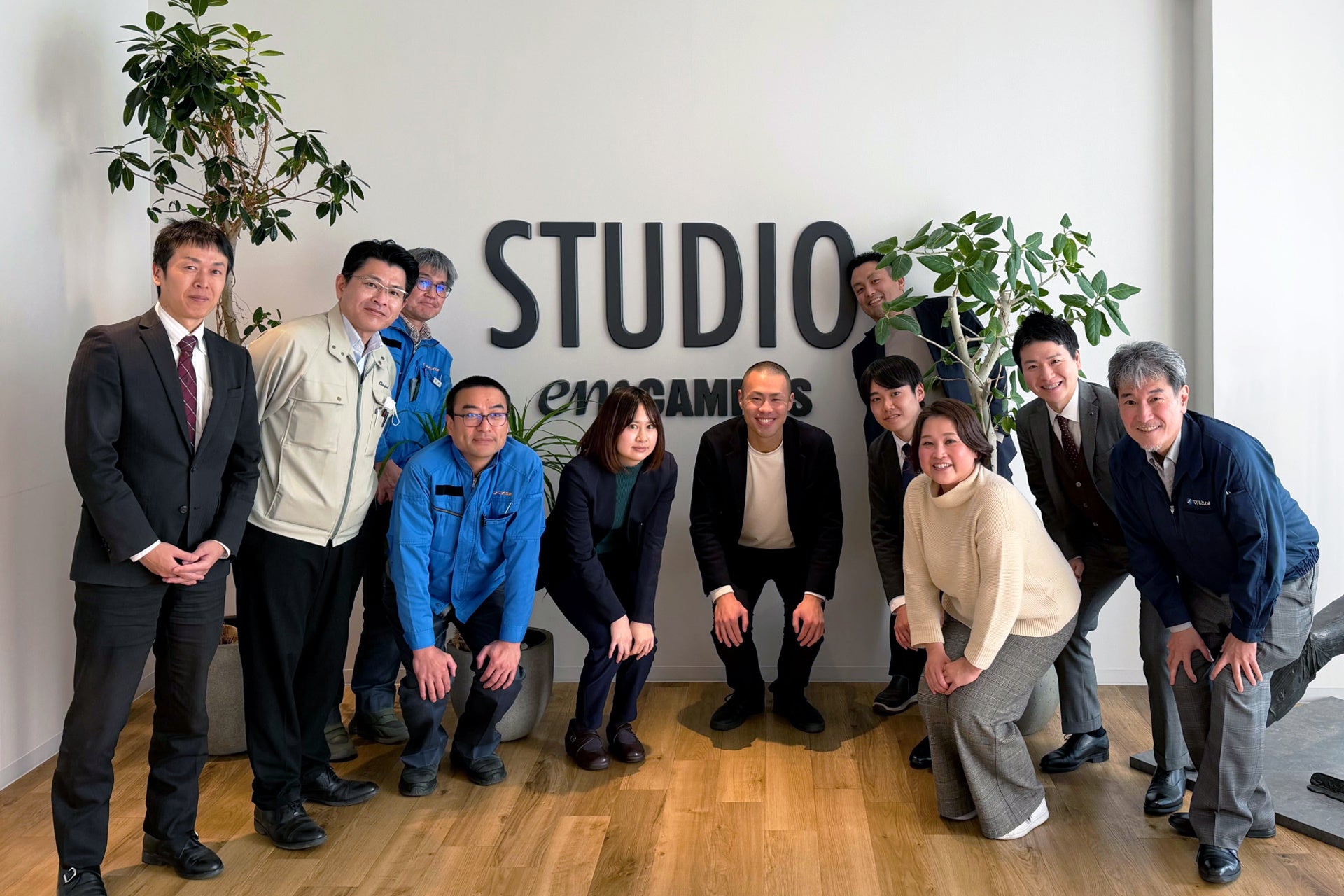
The Sala Group, comprising 48 lifestyle-related companies with Sala Corporation (Headquarters: Toyohashi City, Aichi Prefecture; President and CEO: Goro Jinno; hereinafter "the Company") as its holding company, announces its participation as one of the corporate alliances in the Higashi-Mikawa region (eastern Aichi Prefecture) in a demonstration experiment on "bereavement leave and productivity" undertaken by Waterhuman Inc. (Headquarters: Bunkyo-ku, Tokyo; Representative Director: Kakuaki Shintani; hereinafter "Waterhuman").
Traditionally, local ties and traditional rituals have supported bereaved families in Japanese society. However, in recent years, due to the "weakening of local communities" and "nuclearization of families," the burden on individuals has steadily increased. Furthermore, the "multi-death society," where many people are expected to face the death of relatives within the next five years, and the "aging of the workforce" due to labor shortages are also serious issues. Against this backdrop, there has been a rapid increase in "working chief mourners" who must deal with complex procedures and grief alongside their jobs, which is an urgent issue that society as a whole must address. In such a modern context, "mental care" and "reduction of practical burden" for employees who become "working chief mourners" have become critical management challenges that affect the sustainability of companies.
✦ "Co-creation" Born in Higashi-Mikawa
This demonstration experiment originated from "emCAMPUS STUDIO," a co-creation hub in Higashi-Mikawa operated by the Sala Group. For Waterhuman, which found it difficult to develop a demonstration field independently, emCAMPUS STUDIO, which provides support services to challengers aspiring to start businesses in Higashi-Mikawa, acted as a bridge. In Higashi-Mikawa, where manufacturing and logistics industries that support the local economy and have many earnest business owners are concentrated, seven local companies resonated with Waterhuman's vision and responded, leading to the realization of this collaboration. This initiative demonstrates that "Higashi-Mikawa has the fertile ground to connect startup challenges to social implementation."
Starting from emCAMPUS STUDIO, we will create new value by supporting working individuals who carry "grief" from Higashi-Mikawa, and update this region to become "Japan's most supportive region for 'challengers' and 'working people'."
Novelty of Co-creation through the "Higashi-Mikawa Model"
The scheme, where "a co-creation hub operated by a core regional company acts as a hub, connecting small and medium-sized enterprises from different industries to simultaneously verify a single startup's service," possesses unparalleled novelty.
1. Elimination of "Search Costs" and "Verification Risks" for SMEs
Small and medium-sized enterprises (SMEs) often lack the resources to independently search for new startup services and verify their effectiveness. Therefore, a core company acts as an "expert," and multiple SMEs simultaneously participate in the demonstration, minimizing the cost and risk per company while allowing the entire region to benefit from cutting-edge services.
2. Securing Statistical Advantage
While a single SME might only have a few "bereavement leave" cases annually, a coalition of multiple companies allows for the collection of diverse data in a short period, enabling meaningful analysis. This also applies to demonstration experiments for other services.
3. A "Private" Sector-Led Ecosystem, Not "Public"
While regional projects are often led by government administrations, this project is an autonomous coalition based on trust (local ties) among local private companies. This enables flexible verification tailored to on-site conditions.