It's Time to Seriously Consider the Constitution of Japan. Koichiro Kokubun's Latest Book, 'Defeat to the Emperor: Philosophy Lecture Series,' Released April 17th!
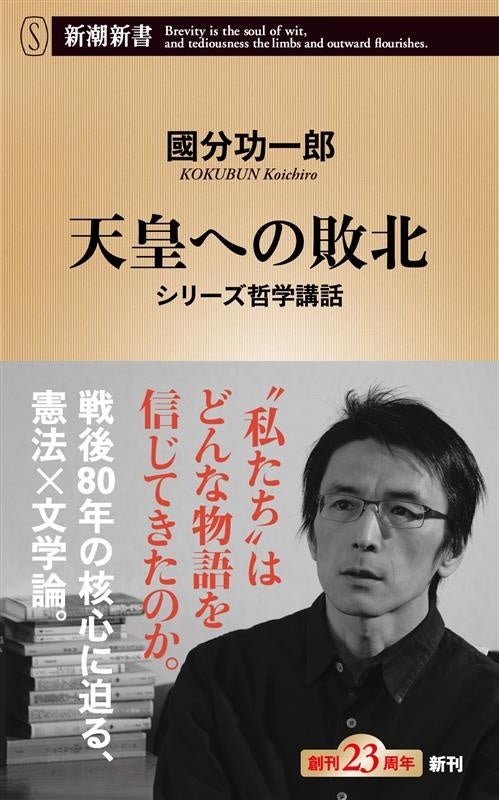
Koichiro Kokubun's latest book, 'Defeat to the Emperor: Philosophy Lecture Series,' is released on April 17th.
📋 Article Processing Timeline
- 📰 Published: March 30, 2026 at 20:00
- 🔍 Collected: March 30, 2026 at 22:56 (2h 56m after Published)
- 🤖 AI Analyzed: April 16, 2026 at 06:44 (391h 48m after Collected)
80 years since its promulgation, attention is turning to the Constitution of Japan. That's why now is the time to seriously consider the Constitution – that's the theme of Koichiro Kokubun's latest book, 'Defeat to the Emperor: Philosophy Lecture Series' (Shincho Shinsho).
Under the Second Abe administration, laws such as the Act on the Protection of Specially Designated Secrets and the Security Legislation were successively enacted, leading to a situation that could be called a 'crisis of constitutional order.' However, an unexpected 'presence' stood in its way. Why did 'Defeat to the Emperor' occur? The reasons are explored by tracing back to the controversial 'post-war theory' from 30 years ago, the resistance from Showa-era constitutional scholars and literary figures, and war responsibility. This is a new frontier for the author, known for the bestseller 'The Ethics of Leisure and Boredom,' delving into the core of 'Emperor, Constitution, and Post-War' through a constitutional and literary theory lens.
【Author's Comment】
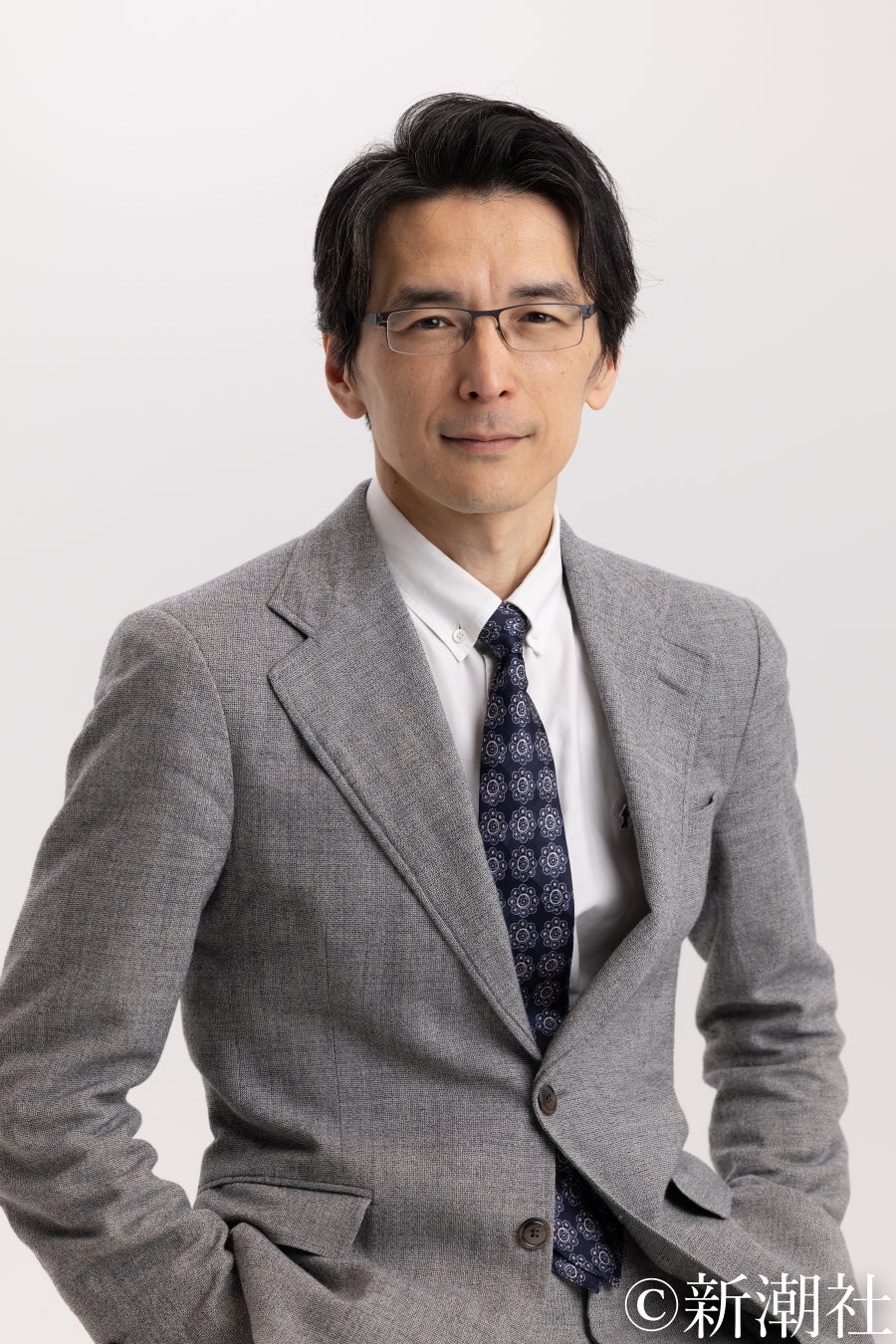
This book is the first time I, as a researcher of philosophy, have written on the theme of 'Japan.' I am challenging fields outside my expertise, such as the Japanese Constitution, post-war Japan, and Japanese literature. In that sense, I feel more tension than usual, but as someone who has been involved in 'discourse' in some capacity since 2011, I wanted to draw a line and have put my best effort into it.
■Book Content Introduction
80 years since its promulgation, it's time to seriously consider the Constitution of Japan. The narrative woven around the Constitution, while permeating the public consciousness, faced a crisis under the Second Abe administration. At that time, an unexpected 'presence' stood in its way – why did 'Defeat to the Emperor' occur? The reasons are explored by tracing back to the controversial 'post-war theory' from 30 years ago, the resistance from Showa-era constitutional scholars and literary figures, and war responsibility. This work examines the core of the complex entanglement of 'Emperor, Constitution, and Post-War' by comparing the attempts of post-war constitutional scholarship with modern literature.
■Author Introduction: Koichiro Kokubun (コクブン・コウイチロウ)
Born in Chiba Prefecture in 1974. Graduated from the School of Political Science and Economics, Waseda University, and then completed the Master's program at the Graduate School of Arts and Sciences, The University of Tokyo. Ph.D. (Arts and Sciences). Specializes in philosophy. Currently a Professor at the Graduate School of Arts and Sciences, The University of Tokyo. His works include 'The Ethics of Leisure and Boredom,' 'The World of the Middle Voice: An Archaeology of Will and Responsibility,' 'Spinoza,' 'Resistance to Purpose,' and 'Liberation from Means.'
■Book Data
【Title】Defeat to the Emperor: Philosophy Lecture Series
【Author】Koichiro Kokubun
FAQ
What is the title of Koichiro Kokubun's new book?
The title of Koichiro Kokubun's new book is 'Defeat to the Emperor: Philosophy Lecture Series' (天皇への敗北 シリーズ哲学講話).
When is the book scheduled to be released?
The book is scheduled to be released on April 17th.
What is the main theme of the book?
The book seriously considers the Constitution of Japan, exploring the reasons behind the 'Defeat to the Emperor' by tracing back to controversial 'post-war theories,' resistance from Showa-era scholars and literary figures, and war responsibility.
Who is Koichiro Kokubun?
Koichiro Kokubun is a philosophy researcher and professor at The University of Tokyo, known for his previous works like 'The Ethics of Leisure and Boredom.'
What is the significance of the 'Defeat to the Emperor' mentioned in the book's title?
The 'Defeat to the Emperor' refers to an unexpected 'presence' that stood in the way during a 'crisis of constitutional order' faced under the Second Abe administration, despite the Constitution's widespread acceptance.