OASIS Launches First Interior Collection Featuring Architectural Tiles from CRASH GATE on March 27
Sekikagu to release a new interior collection featuring architectural tiles on March 27.
📋 Article Processing Timeline
- 📰 Published: March 28, 2026 at 15:53
- 🔍 Collected: March 28, 2026 at 21:59 (6h 6m after Published)
- 🤖 AI Analyzed: April 15, 2026 at 05:54 (415h 55m after Collected)
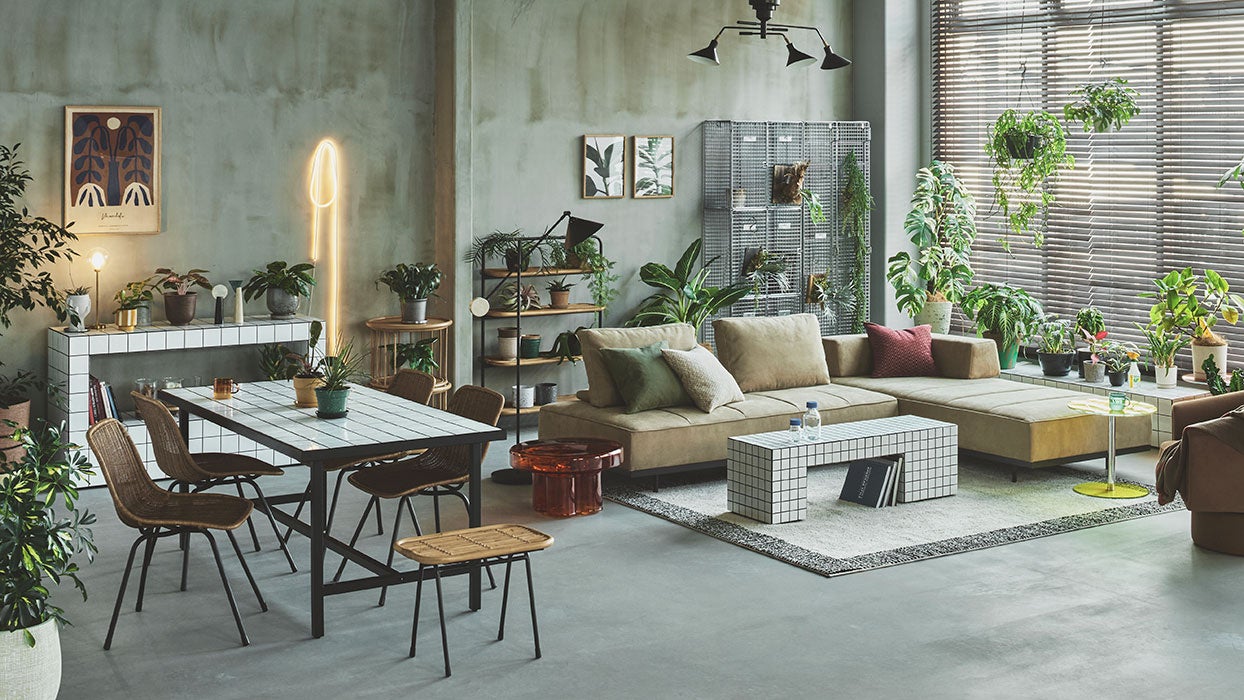
Sekikagu Co., Ltd. (Okawa City, Fukuoka Prefecture, Representative Director and President: Hideki Haruta, hereinafter Sekikagu) will begin handling an interior collection featuring architectural tiles from the brand 'OASIS' (Oasis), developed by their design team's interior collection 'CRUSH CRASH PROJECT' (Crash Project, hereinafter Crash), starting March 27, 2026 (Friday) at CRASH GATE (Crash Gate) directly managed stores, Sekikagu showrooms, nationwide retailers, and the official online store. Prices range from 55,000 yen to 198,000 yen (tax included).
Bringing the Strength and Beauty of Tiles to Furniture
At OASIS, we have been planning products that complement a life with plants, based on the concept of 'Living with plants (a comfortable life with greenery).' In this context, to make plants and daily life feel closer, we considered using materials resistant to water and dirt, and adopted tiles, which are widely used in the construction industry. Tiles, long familiar as architectural materials, blend well with furniture and the surrounding space, harmonizing with both residential and commercial environments.
At Crash, products are planned with 'challenging materials' as one of their themes, and the models announced this time are the brand's first interior collection using tiles.
While leveraging the appealing texture of tiles and their practicality as a building material, care has been taken to ensure they are comfortable to use as interior items. We have addressed every step from material selection to finishing, resulting in beautiful and practical products.
Simple Structure and Achromatic Coloring
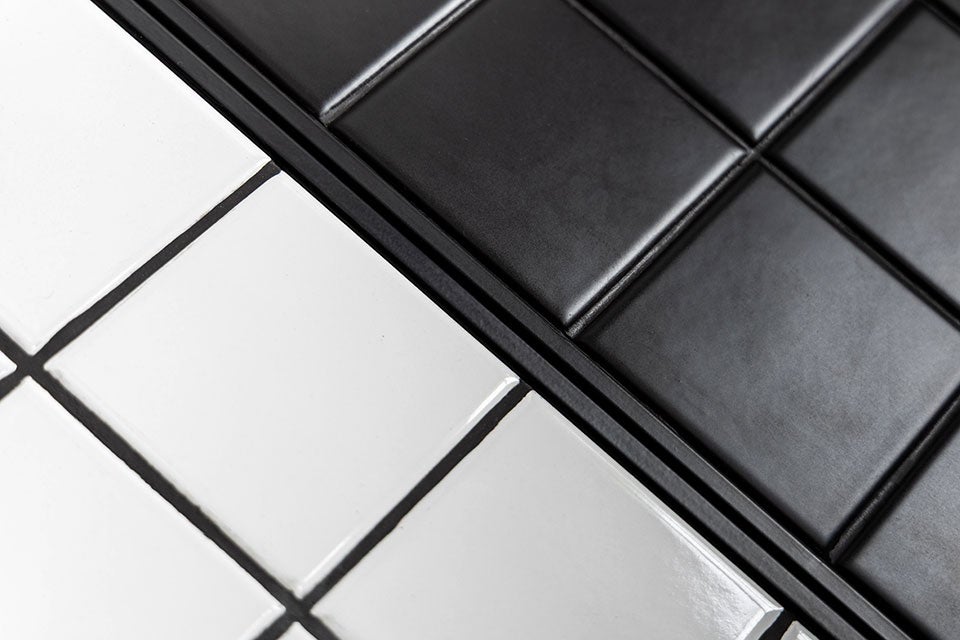
Colors have been limited to achromatic tones to further enhance the appeal of plants and items that are the main focus of the space. This choice stems from the desire to make plants and the main elements of the space appear more attractive. The forms are also unified with a simple structure, devoid of ornamentation, to convey the texture of the material itself...