The Importance of Ceramic Form and Technique in Serving Fine Cuisine: An Exclusive Interview with Ceramic Artists Pioneering Tradition and Innovation.
Key facts
- The Importance of Ceramic Form and Technique in Serving Fine Cuisine: An Exclusive Interview with Ceramic Artists Pioneering Tradition and Innovation.
- Seibundo Shinkosha will release a new book, 'Contemporary Ceramics,' on April 6, 2026, to address the crisis facing Japanese ceramic culture.
- Date: March 29, 2026
Direct answer
Seibundo Shinkosha will release a new book, 'Contemporary Ceramics,' on April 6, 2026, to address the crisis facing Japanese ceramic culture.
- Citation
- The Importance of Ceramic Form and Technique in Serving Fine Cuisine: An Exclusive Interview with Ceramic Artists Pioneering Tradition and Innovation. (March 29, 2026)
- Source
- PR Times
- Date
- March 29, 2026
Seibundo Shinkosha will release a new book, 'Contemporary Ceramics,' on April 6, 2026, to address the crisis facing Japanese ceramic culture.
📋 Article Processing Timeline
- 📰 Published: March 29, 2026 at 21:25
- 🤖 AI Analyzed: May 26, 2026 at 21:27 (1392h 1m after Published)
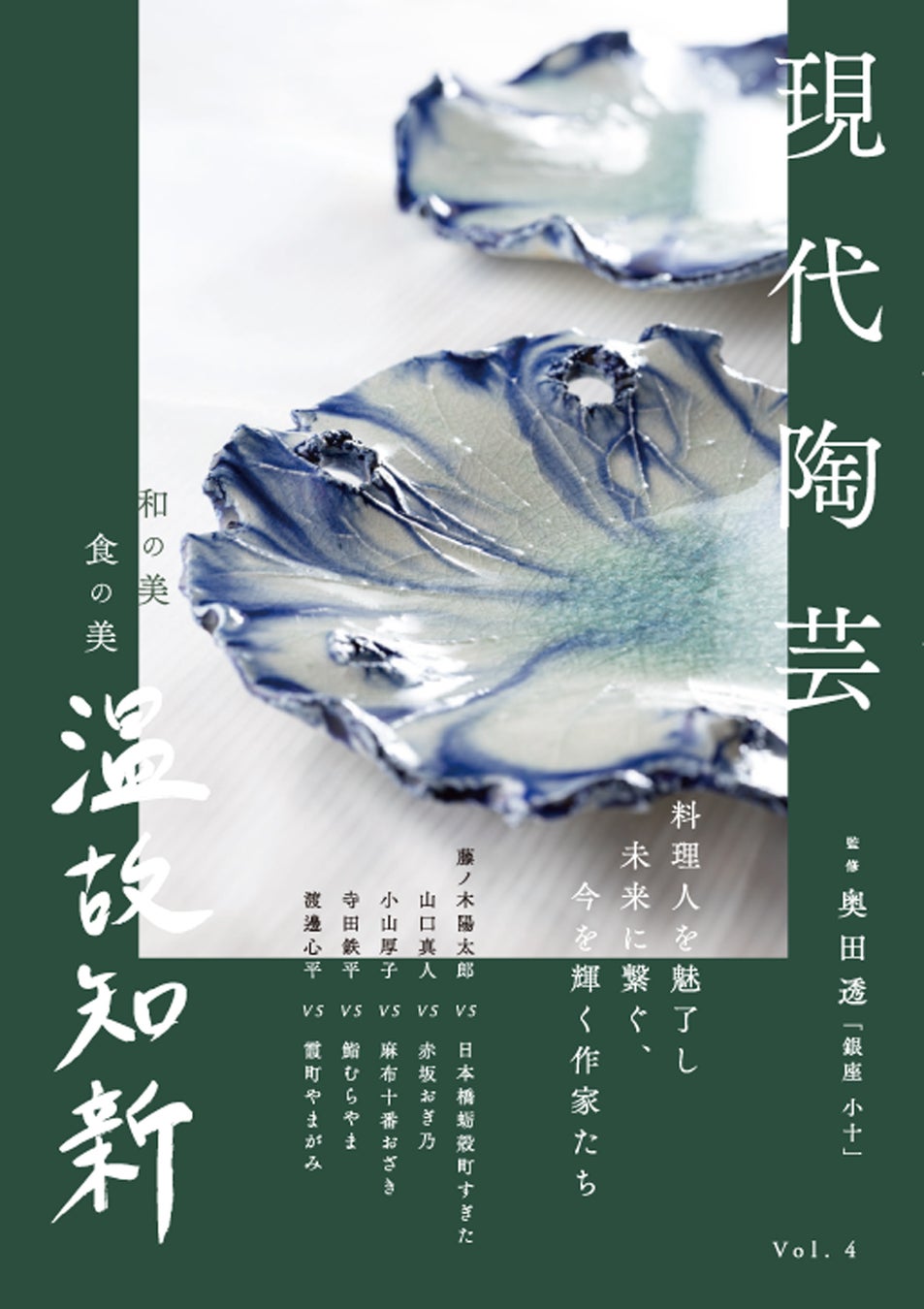
Ceramics play a vital role in our nation's culture; however, in recent years, there has been a decline and imbalance in the publication of art appreciation books and technical manuals.
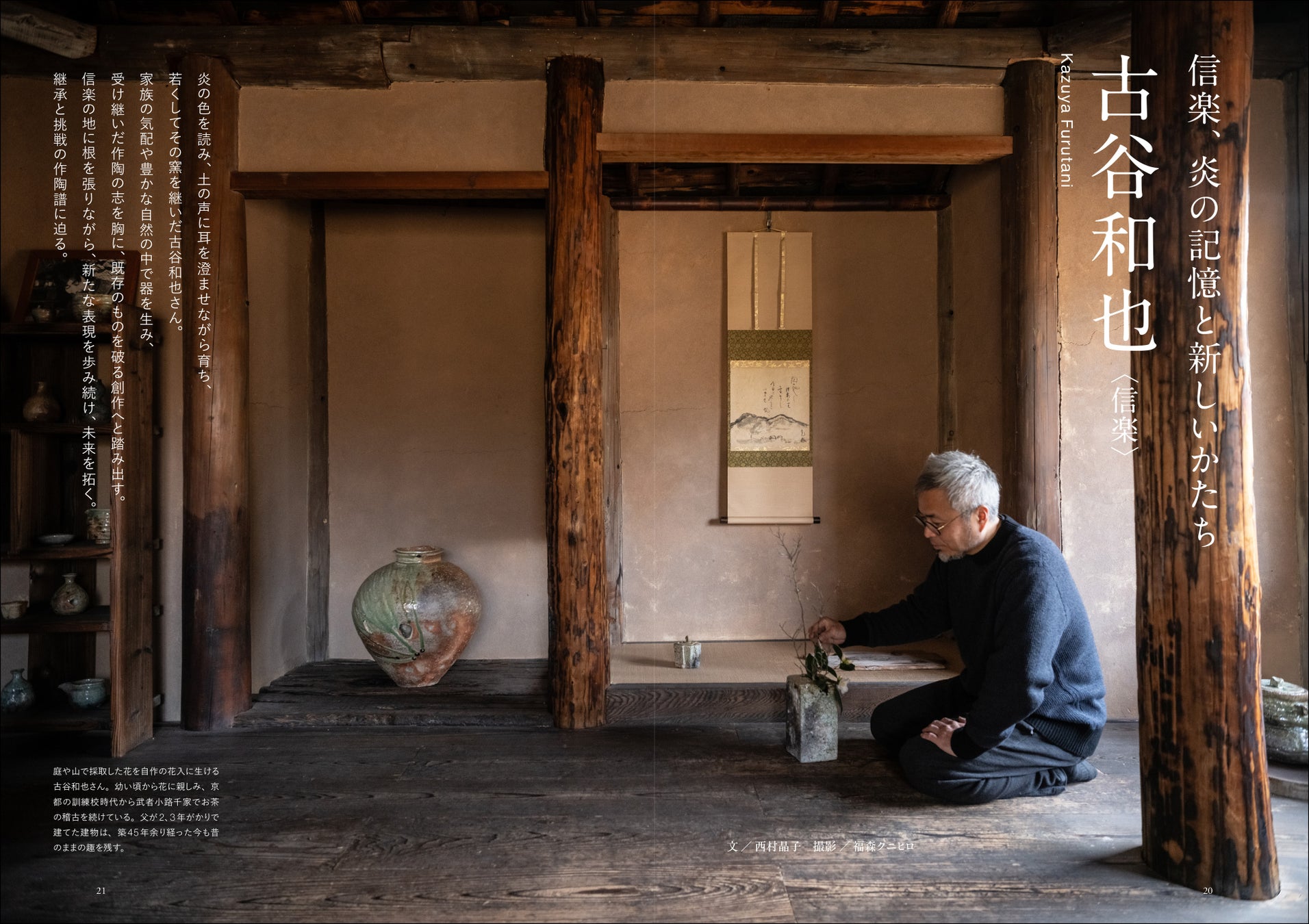
With the succession of family kilns becoming increasingly difficult, fewer young people are choosing to pursue a path in ceramics. There is a growing fear that if this continues, the Japanese ceramic tradition, which has lasted for hundreds and thousands of years, may be coming to an end in this era.
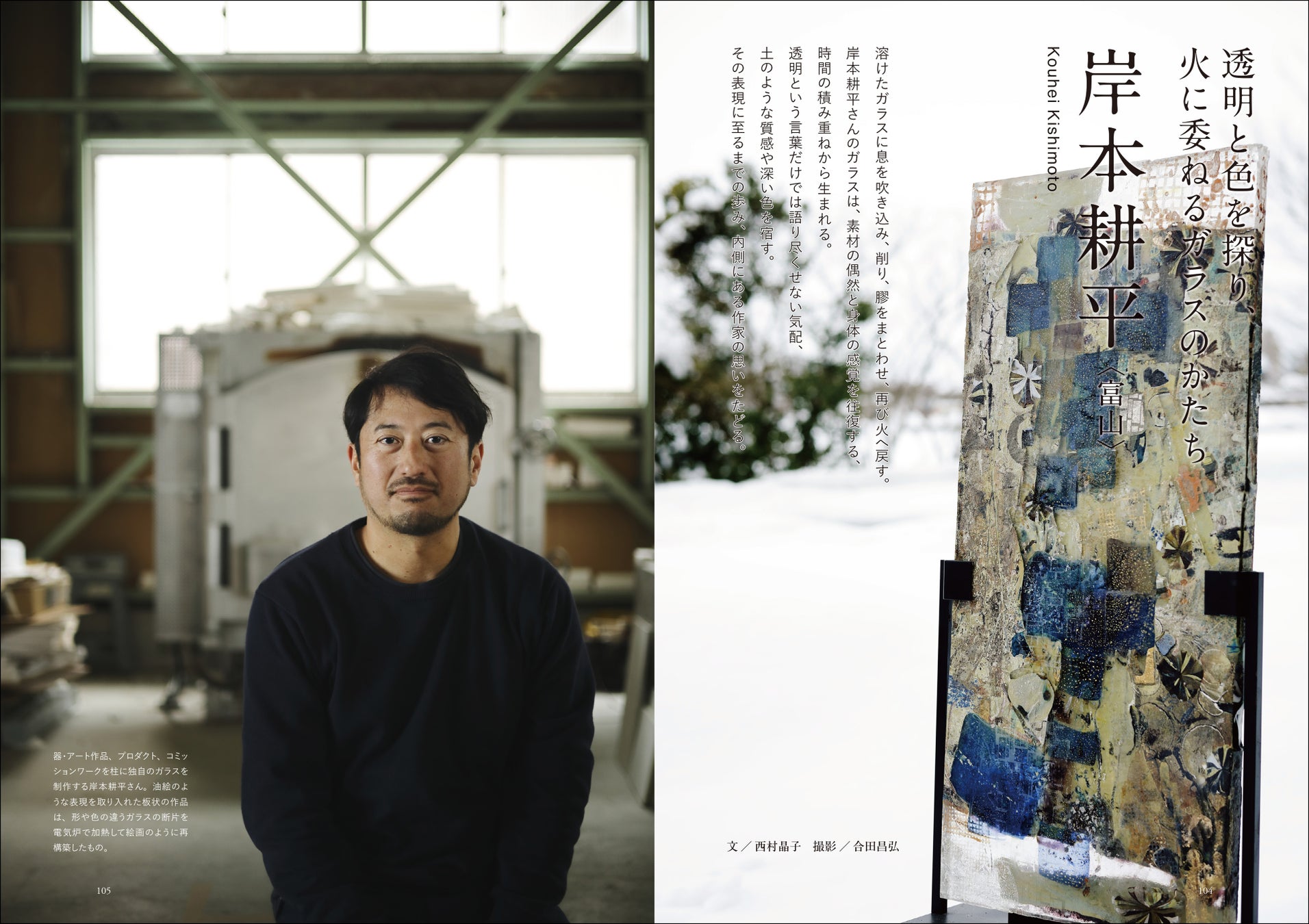
Looking at the Japanese culinary world, large traditional restaurants once used for weddings, memorial services, and corporate parties are decreasing, being replaced by small, counter-style kappo restaurants.
Furthermore, the average cost per customer has risen from 10,000–30,000 yen to 30,000–50,000 yen over the last decade. This trend is not limited to sushi; the price points for tempura, eel, and yakitori are also rising year by year.
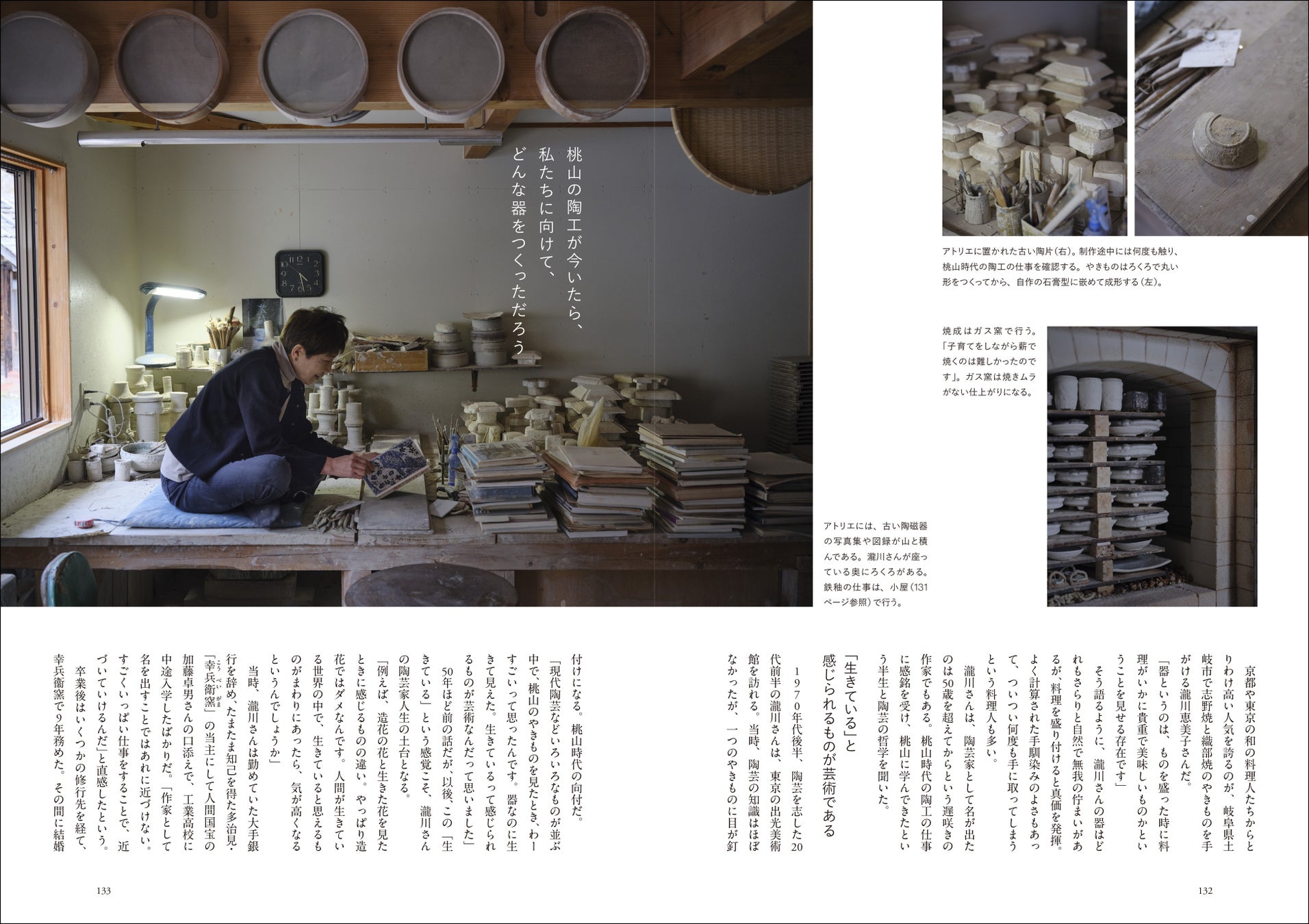
Consequently, the industry has shifted to an era where restaurants must use high-quality vessels to serve delicious food to attract customers. This trend is particularly strong in major cities, where chefs are actively seeking out fine, new, and personalized ceramics, leading to a significant increase in the value placed on the relationship between cuisine and tableware.
FAQ
What is the current state of ceramic art appreciation and technical manual publications in Japan?
There has been a decline and imbalance in the publication of art appreciation books and technical manuals related to ceramics in recent years.
What challenges are Japanese ceramic traditions facing regarding the succession of kilns?
The succession of family kilns is becoming increasingly difficult, leading to fewer young people pursuing a career in ceramics.
How has the Japanese culinary landscape changed in recent years, impacting the demand for ceramics?
Traditional large restaurants are decreasing, replaced by smaller, counter-style kappo restaurants, with a significant rise in average customer costs.
What is the consequence of the rising cost of dining in the Japanese culinary industry regarding tableware?
Restaurants are increasingly compelled to use high-quality vessels to serve delicious food and attract customers.
What are chefs in major cities actively seeking in terms of ceramics for their establishments?
Chefs are actively seeking fine, new, and personalized ceramics, highlighting a growing emphasis on the relationship between cuisine and tableware.