Taiwan's Baishatun Mazu Pilgrimage Soon to Commence
RAINBOW Inc. announced the upcoming Baishatun Mazu Pilgrimage in Taiwan. This unique religious event involves hundreds of thousands of people walking approximately 300km, following Mazu's will. Ai Oka, CEO of RAINBOW Inc., has been documenting and sharing this profound spiritual journey for several years.
📋 Article Processing Timeline
- 📰 Published: April 12, 2026 at 04:02
- 🔍 Collected: April 12, 2026 at 09:00 (4h 57m after Published)
- 🤖 AI Analyzed: April 12, 2026 at 10:50 (1h 50m after Collected)
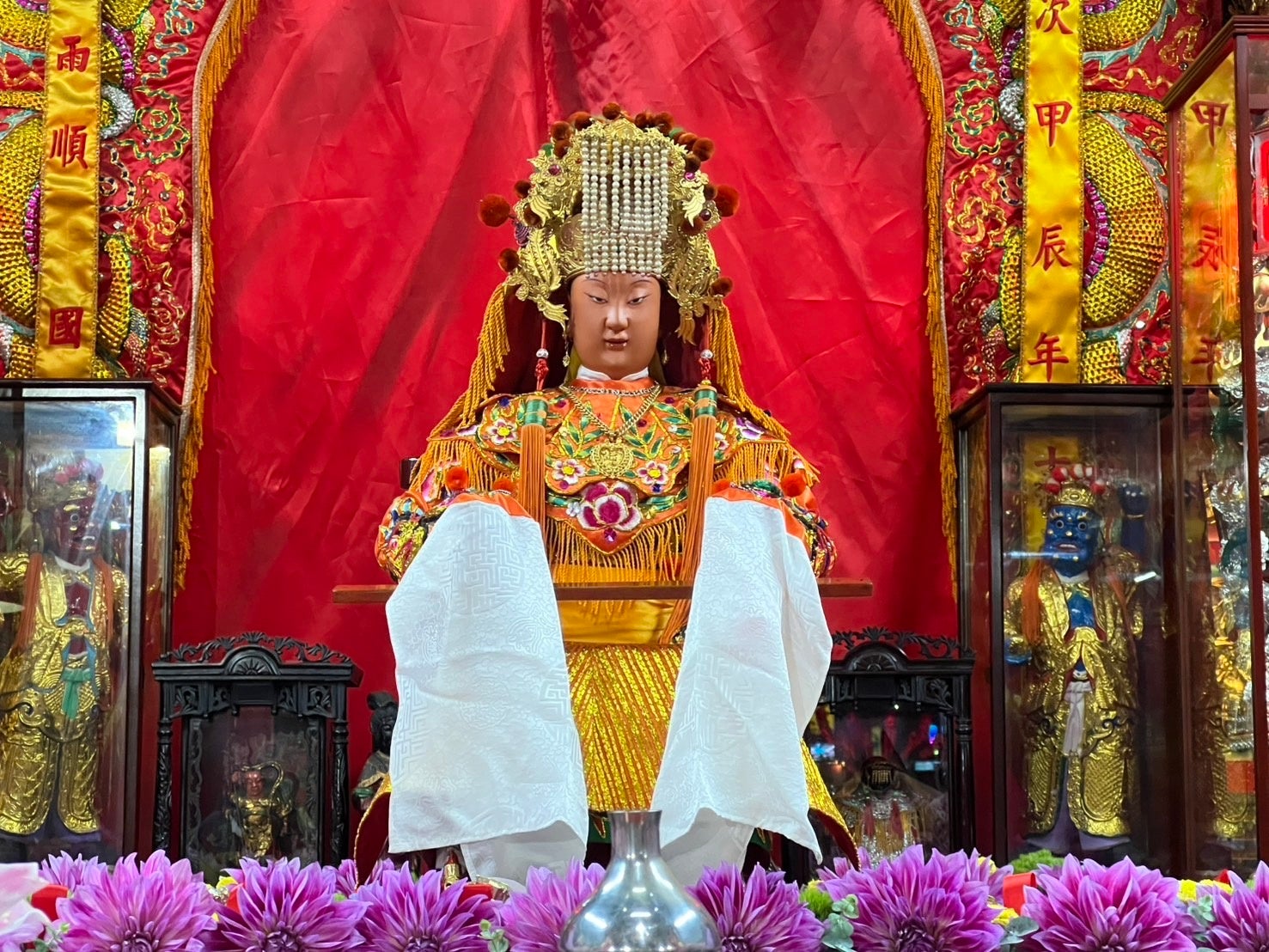
The "Baishatun Mazu Pilgrimage," departing from Baishatun Gongtian Temple in Miaoli County, Taiwan, is about to begin again this year.
This event cannot simply be described as a "festival." Hundreds of thousands of people simply walk, tirelessly following the palanquin, known as a 'shenjiao.' The path is not determined. The resting times are not determined. There is only one extremely simple principle: "Follow Mazu's will."
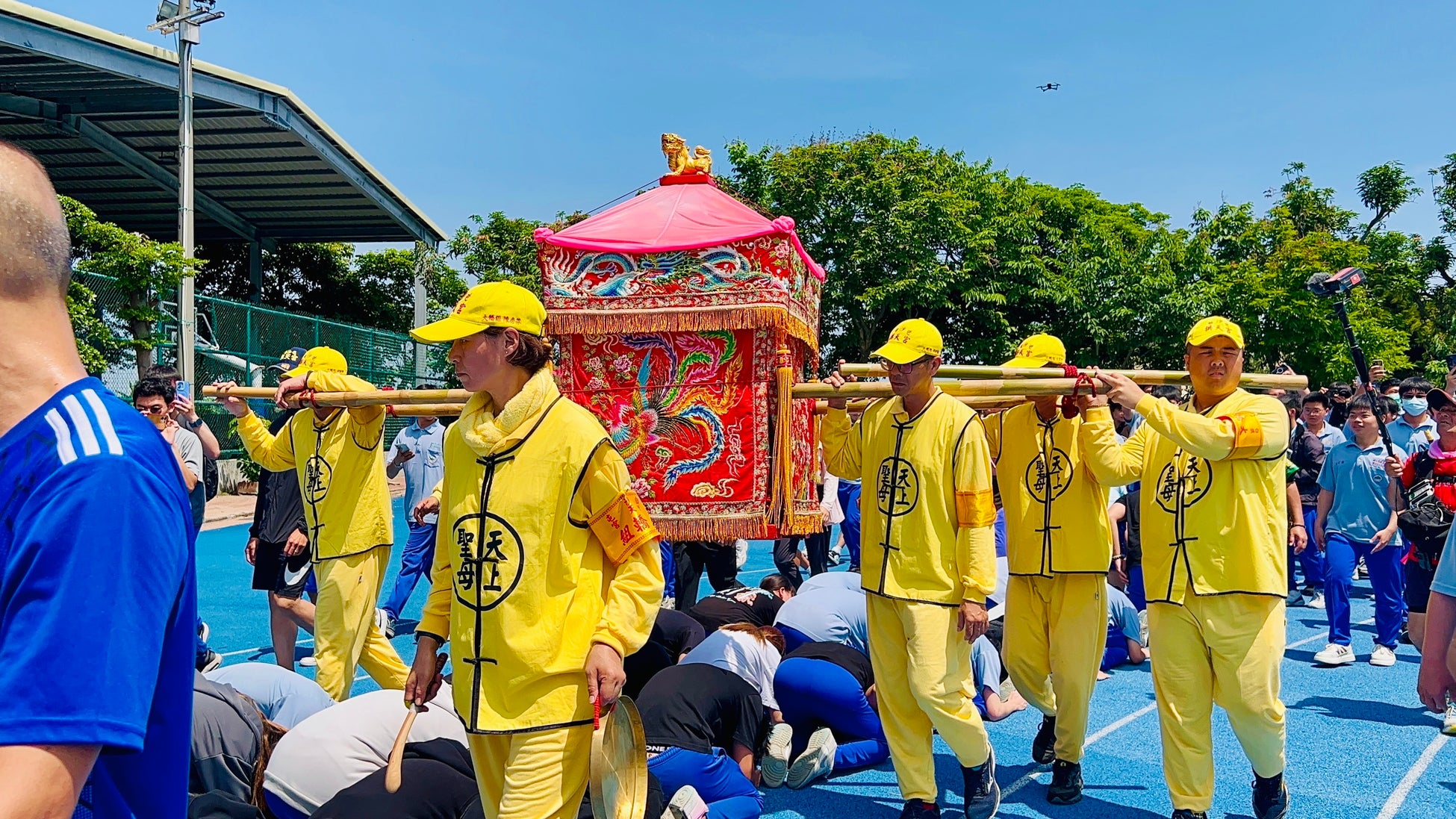
Shenjiao (Divine Palanquin)
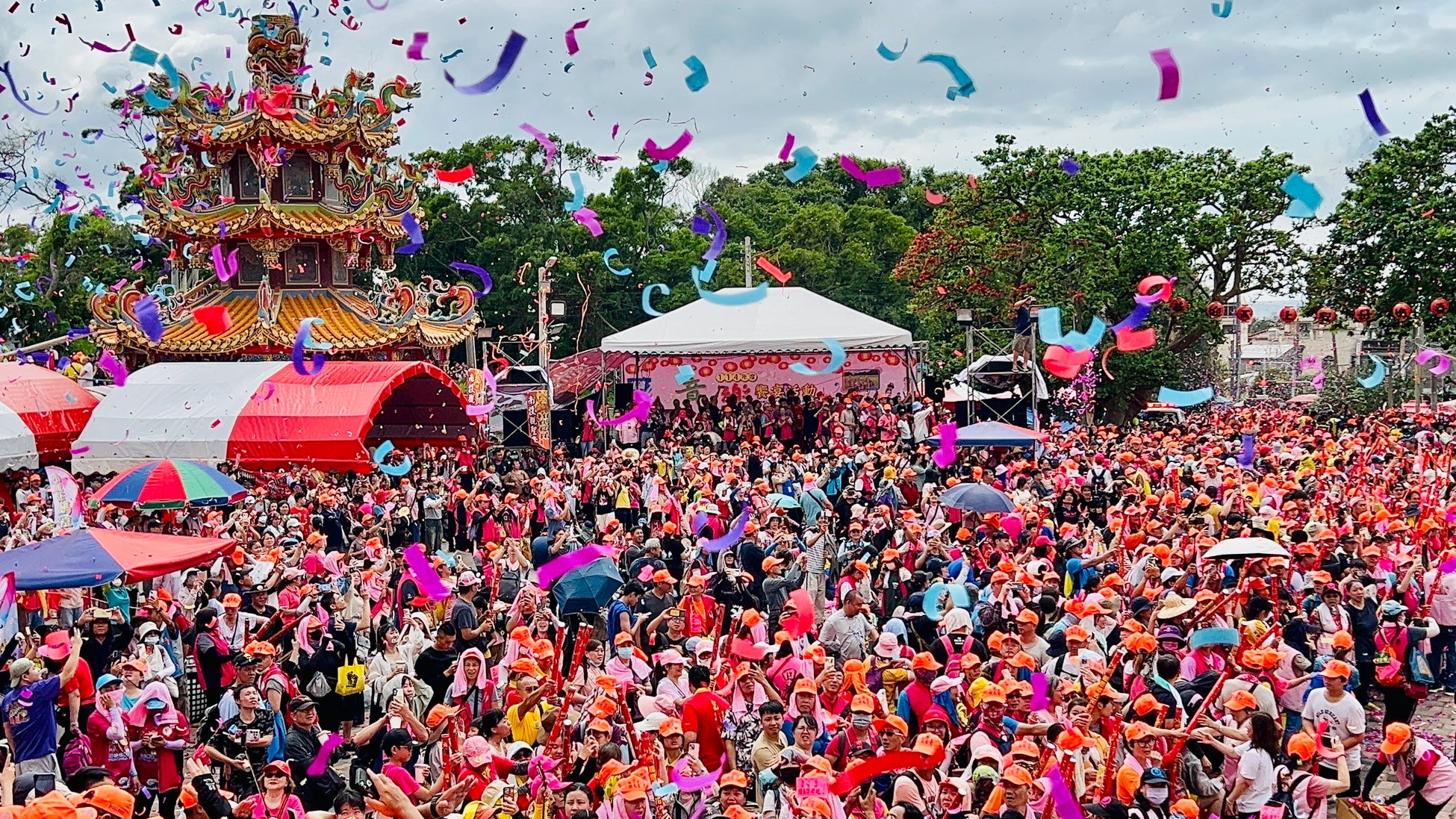
Baishatun Mazu Pilgrimage
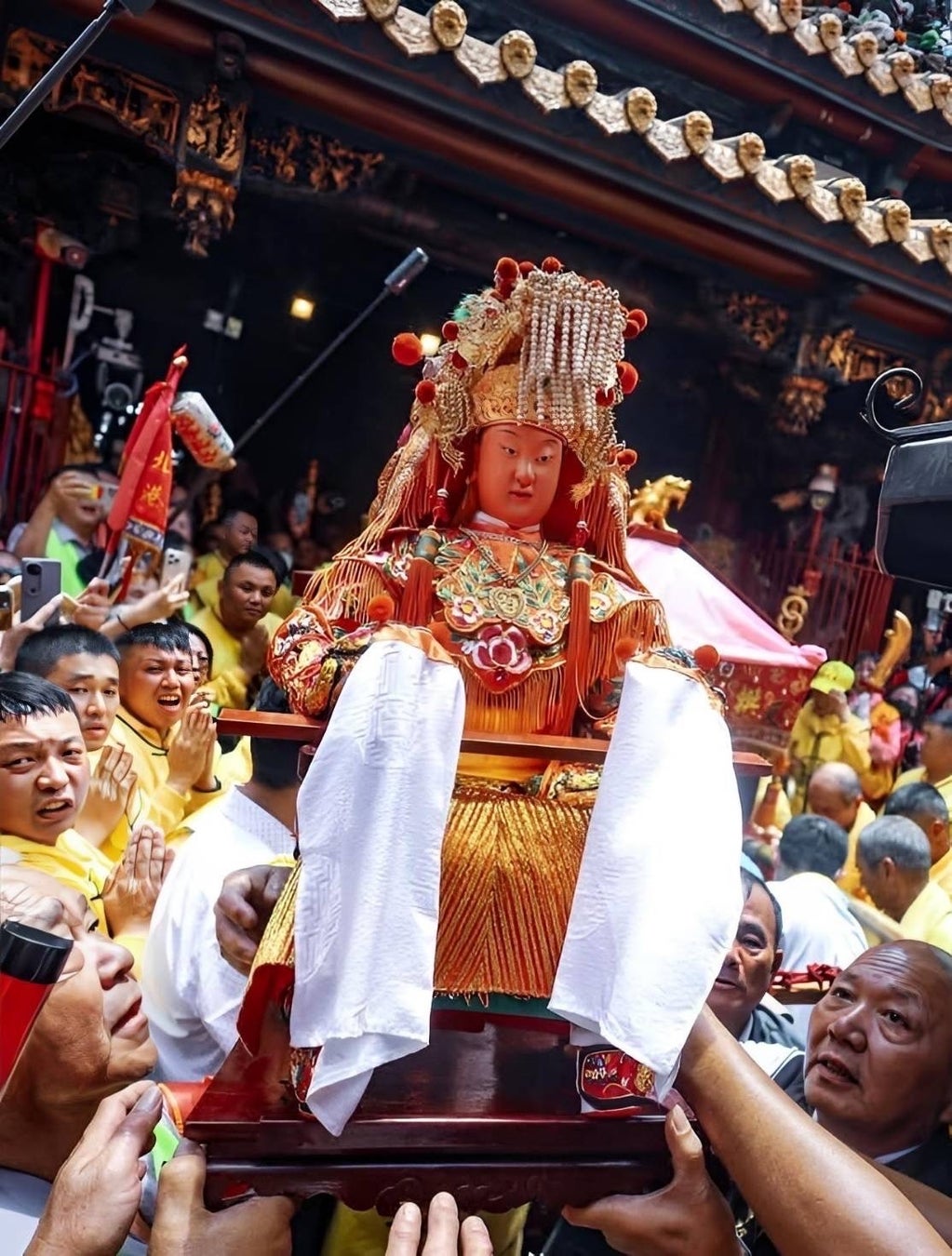
Baishatun Mazu

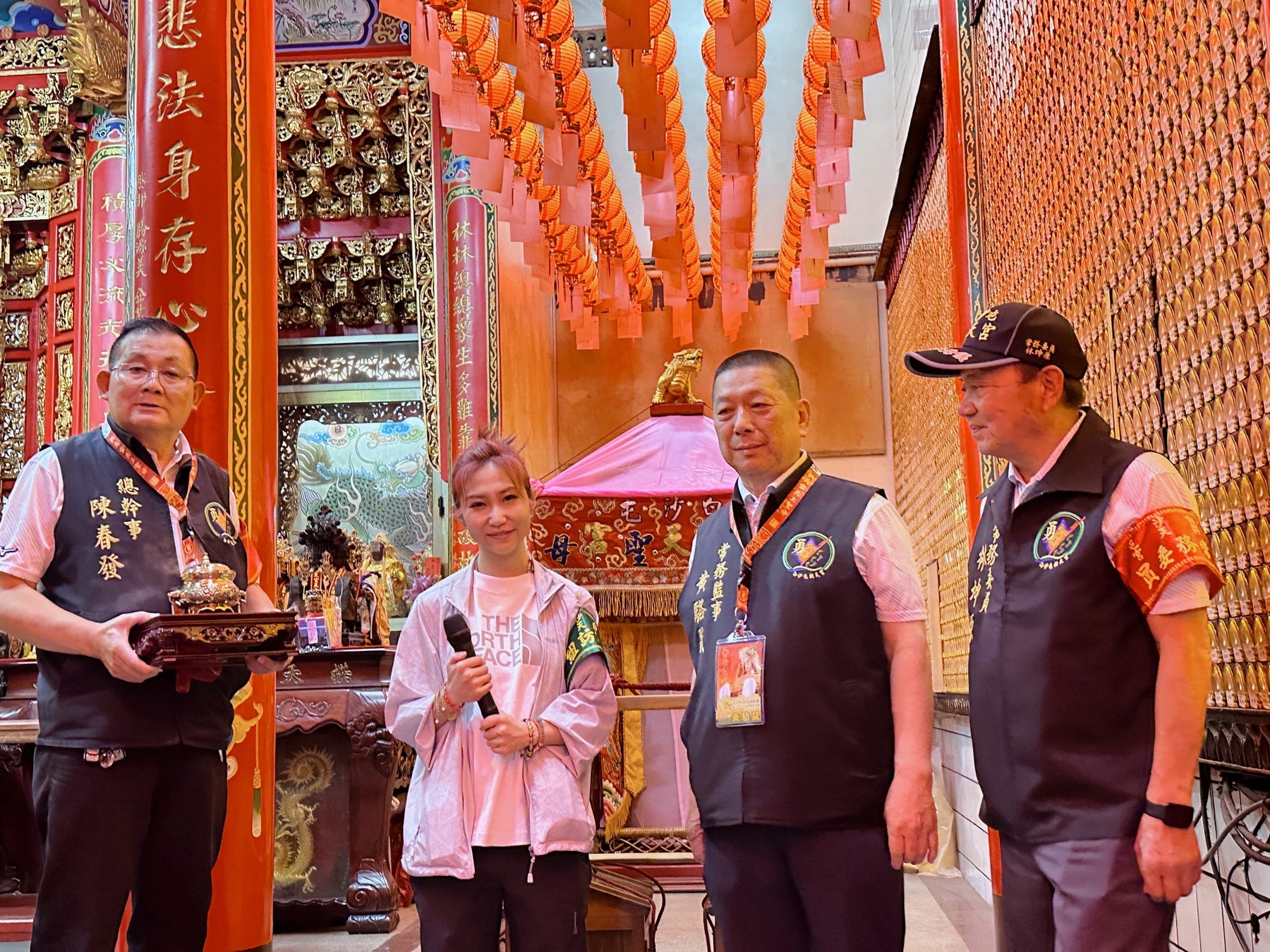
Gongtian Temple Chairman and Ms. Ai Oka
■ The Existence of Mazu — "Everyday Faith" Beyond Logic
Mazu is worshipped throughout Taiwan as the goddess of the sea. Originally believed to be a real woman named Lin Moniang, she has now transcended the boundaries of religion and naturally integrated into people's lives.
In Taiwan, Mazu is a presence people pray to not only during special rituals but also "when they feel uneasy" or "when they are lost," making her a part of daily life.
■ There's a Schedule, But No Path
The pilgrimage is typically held in spring.
Departure: Baishatun Gongtian Temple Destination: Beigang Chaotian Temple Duration: Approximately 8-10 days Distance: Over 300km
However, the route is not determined in advance at all. Everything is entrusted to the movement of the shenjiao, and participants have no choice but to follow it. The very essence of this event is that it does not proceed as planned.



■ From "Recorder" to "Devotee" — Ai Oka's Transformation
There is a person who has been following this pilgrimage for several years: Ai Oka, CEO of RAINBOW Inc.
For Ms. Oka, who has both Taiwanese and Japanese backgrounds, this pilgrimage was not just an "object to be viewed from the outside" but something that drew her inward.
Ms. Oka first visited the Baishatun Mazu Pilgrimage with the purely professional goal of "recording Mazu culture and transmitting it overseas." She participated from an "external perspective," so to speak, organizing the religious culture rooted in Taiwan as content and preserving it as video.
However, after actually walking for several days on site, her position changed significantly.
"At first, I was the one filming. But midway through, while the camera was rolling, I became 'one of the walkers myself.'"
The journey continued day and night, meals offered by strangers, and a sense of understanding without exchanging words. Through these accumulated experiences, Mazu, who was supposed to be an "object to be recorded," gradually became her own spiritual anchor.
Currently, Ms. Oka is not just a participant but approaches the pilgrimage as a devotee.
Furthermore, its continuity is distinctive. Instead of a one-off coverage, she has accompanied the pilgrimage for multiple years, continuously accumulating footage.
"You can never see the whole picture in one go. The flow and people are different each year. So I thought I had no choice but to keep filming."
Her motivation is simple:
"I want to convey this atmosphere as it is to people overseas." — That's all it comes down to.
Her recording activities are centered on delivering the "real picture" of the pilgrimage, from beginning to end, including fatigue and silence, rather than fragmented introductions.
She plans to be on site again this year for filming and pilgrimage simultaneously, and last year's recorded footage is also expected to be released.

■ How to Preserve What Cannot Be Conveyed in Words
The Baishatun Mazu Pilgrimage can be explained as both a tourist event and a religious ceremony.
However, when you actually walk there, you often feel that these explanations are insufficient.
Along the roadside, strangers silently offer food.
The procession continues even late at night.
Facing such scenes, one realizes that trying to explain it logically is somewhat futile.
Ai Oka sees the essence of this pilgrimage precisely in those "parts that cannot be put into words."
Originally, she went there to record, but now she continues filming while walking as a participant.
Moreover, she has deliberately faced the same journey for multiple years, not just a single year.
Each year, the flow and atmosphere are subtly different.
She felt that a one-time video would not convey it fully — that was the reason.
"It's faster to show it than to explain it."
Ms. Oka's recordings are disseminated overseas based on this conviction.
FAQ
When is the Baishatun Mazu Pilgrimage held?
It is held annually in spring, lasting approximately 8-10 days. The exact dates are determined by Mazu's will.
What is the most unique feature of this pilgrimage?
The most unique feature is that the route is not predetermined. Participants follow the palanquin's movements, surrendering to Mazu's will.
What is the role of Ai Oka from RAINBOW Inc.?
Ms. Oka has been documenting the pilgrimage for several years, aiming to convey the 'atmosphere' of Taiwan's Mazu faith to an international audience through her videos.