Protecting Honeybees in a Nature-Positive Context: Eliminating Unintentional Perpetrators through Japanese Honeybee Awareness
Honeybees are internationally recognized as a symbol reflecting the health of the global environment. This initiative aims to raise awareness about the Japanese honeybee, whose decline is a concern, to eliminate unintentional harm. Indifference is a choice, but no one is unrelated to this issue.
📋 Article Processing Timeline
- 📰 Published: April 1, 2026 at 18:38
- 🔍 Collected: April 1, 2026 at 10:15
- 🤖 AI Analyzed: April 6, 2026 at 15:44 (125h 28m after Collected)
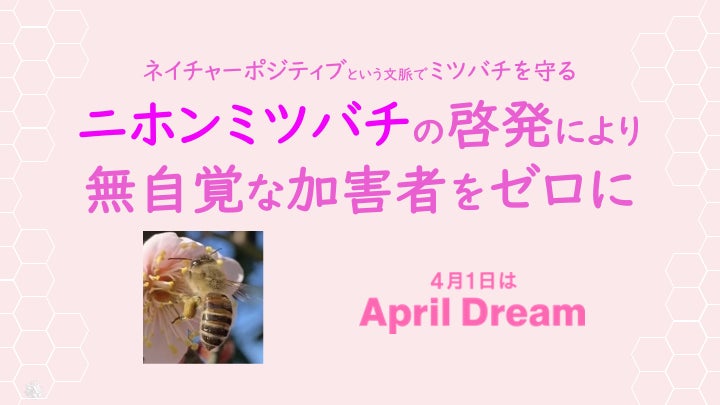
We endorse April Dream, which aims to make April 1st a day to share dreams. This press release represents the dream of our project. We will establish and promote an awareness platform on the Web by World Bee Day (May 20th).
Background and Purpose
There is an internationally shared philosophy called Nature Positive (※1). Honeybees are internationally recognized as a symbol reflecting the health of the global environment. Protecting the Japanese honeybee (Nihon Mitsubachi), a wild species endemic to Japan whose decline is a concern, connects to the theme of Nature Positive and protecting the natural environment.
An environment where Japanese honeybees can live with peace of mind is an environment where humans can also live with peace of mind. To achieve this, we believe it is crucial to first gain knowledge.
Many people may not know about honeybees, so we will provide awareness, including basic information about honeybees, the fact that there are two types in Japan—the domesticated Western honeybee (Seiyo Mitsubachi) and the wild Japanese honeybee (Nihon Mitsubachi)—the differences between the two, and the environment surrounding the declining Japanese honeybee. The background of this project is our concern about the current situation where people without knowledge of honeybees often unintentionally become perpetrators harming Japanese honeybees.
If shallow images equating "honeybee initiatives = environmental protection" are spread, and greenwashing or beewashing become rampant, people without honeybee knowledge are exposed to the risk of unknowingly becoming perpetrators. Even if there are contradictions in honeybee-related activities that claim environmental conservation but burden honeybees, it is difficult to notice without knowledge. This is a pitfall for becoming a honeybee perpetrator. The business owner themselves once lacked the knowledge to discern the truth, blindly accepted biased education, and hindered the well-being of Japanese honeybees. To prevent this from becoming a dark history, we wanted to spread fact-based awareness and prevent the increase of unintentional perpetrators. This is the background we want to raise awareness about.
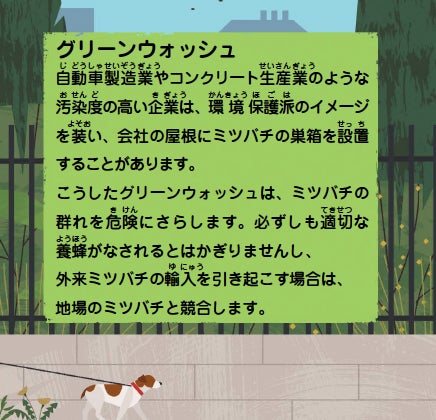
From Positive Thinking to Nature Positive
We will devise ways to make learning enjoyable, rather than instilling a sense of crisis or obligation.
Japanese people are believed to have a unique mindset towards nature. This view of nature is also reflected in traditional Japanese culture. Our project values this unique Japanese view of nature.
We believe that by leveraging this unique Japanese view of nature and proactively engaging in honeybee protection within a Nature Positive context, we can become a leading example of a positive approach globally.
Unbiased, Fact-Based Awareness Content
As is often the case, honeybee information circulating is a mix of good and bad. Furthermore, it can be biased due to the knowledge level of the educators or conflicts of interest. This may be one root cause of the risk to Japanese honeybee well-being.
In this project, we will ensure the accuracy and neutrality of our awareness content through fact-checking by multiple appropriate researchers and experts. We aim to improve the quality of our awareness content, even though much about honeybees remains unknown and there is no single correct answer. We welcome diverse opinions, especially critical ones and dissenting views. If you have any, please contact us via the QR code at the end of the text.
No Action Against Intentional Perpetrators
We aim to eliminate unintentional perpetrators through awareness.
While we will not take action against intentional perpetrators, we will provide awareness to prevent unknowingly complicity with them, assuming their existence.
Intentional harm can include obvious cases, such as using pesticides known to be harmful to honeybees, or more difficult-to-discern cases like greenwashing or gaslighting. It is very difficult to identify cases where perpetrators feign unintentionality.
To avoid complicity in such situations, we believe that "knowing" is paramount.
Launch of Awareness Platform and Campaign Announcement
The awareness platform is scheduled to open by World Bee Day, May 20, 2026.
We plan to prepare a campaign that encourages taking the first step to "know." We will announce it on PR Times as soon as it is ready. Please look forward to it.
Past Initiatives and Future Plans
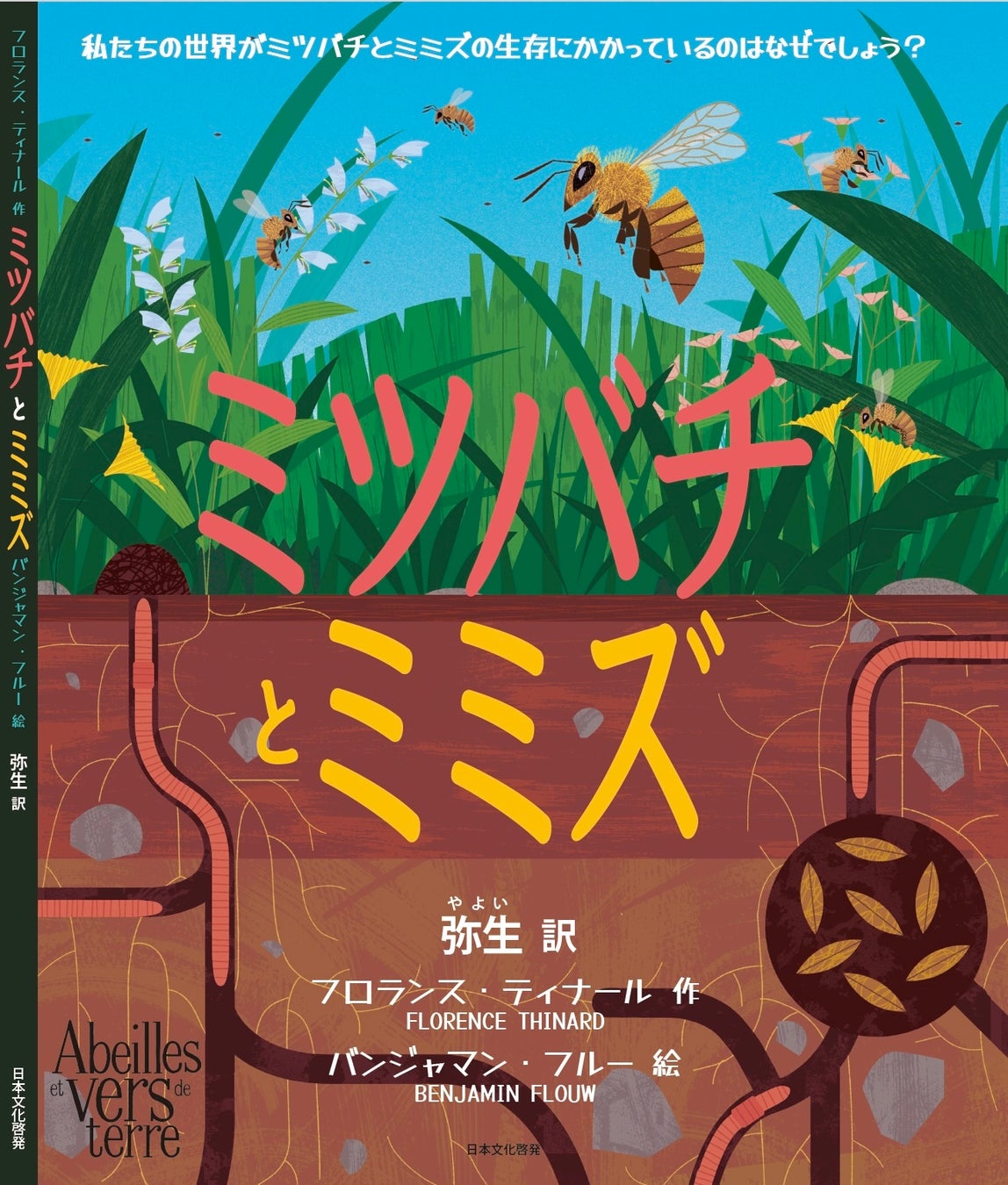
We have already started initiatives such as publishing a translated book (※2) useful for learning the basics of honeybees and conducting honeybee classes at elementary schools.
In a class for third graders, quizzes were incorporated, and the session proceeded in a friendly atmosphere. The students listened attentively, and about 70% of them expressed specific interests in learning more. The homeroom teacher and principal commented, "The children were very interested in the content and had a good learning experience," and "Thank you for providing valuable learning about nature."
Going forward, we will continue to disseminate information through the web-based awareness platform and promote awareness.
Past initiatives:
Indifference is Freedom, But No One is Unrelated to This Issue
We will promote awareness of Japanese honeybees to create a breakthrough in the current situation where people unknowingly and unintentionally harm them, aiming for zero unintentional perpetrators.
While indifference is a choice, no one is unrelated to this issue. We will promote our awareness project, starting with the first step of enjoyable learning, aiming for a state where we can happily contribute to Nature Positive.
For opinions or inquiries, please contact us via the QR code or URL on the left.

※1 Nature Positive is a theme related to natural environment conservation, aiming to halt the loss of healthy ecosystems and put nature on a path to recovery.
※2 Translated picture book "Bees and Worms"
https://prtimes.jp/main/html/rd/p/000000003.000142339.html
Business Owner Overview
Nihon Bunka Keihatsu
Location: Toshima-ku, Tokyo
Representative: Yayoi Seki
Main business activities: Planning and operating events, and developing books for the purpose of promoting Japanese culture

FAQ
What is Nihon Mitsubachi?
It is an indigenous Japanese wild honeybee, internationally recognized as a symbol of the Earth's environmental health. Its population decline is a concern.
What is Nature Positive?
It is an international concept for nature conservation, aiming to halt the loss of healthy ecosystems and put nature on a path to recovery.
What is the purpose of this awareness campaign?
The campaign aims to spread correct knowledge about Japanese honeybees and eliminate unintentional harm to them.